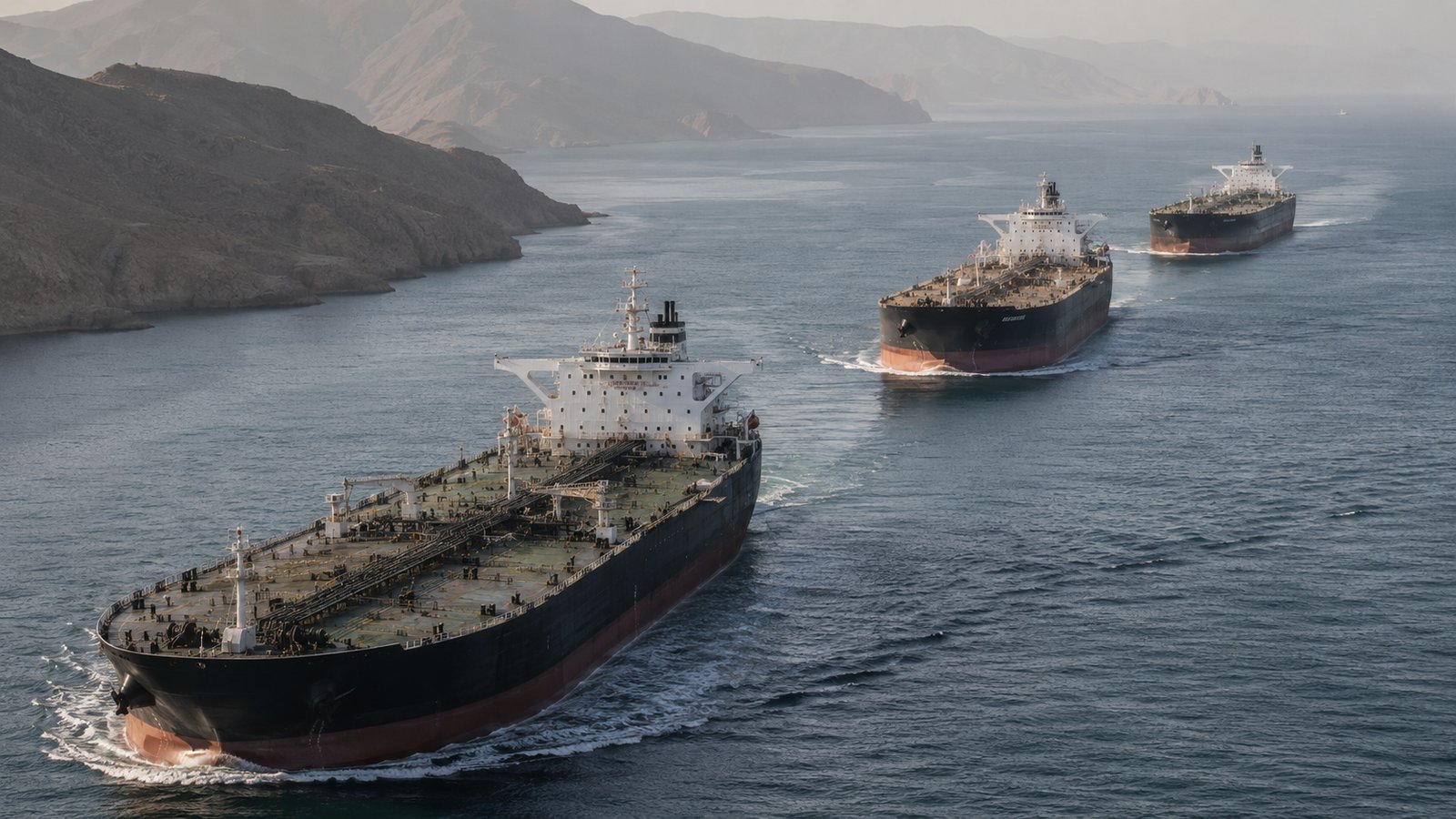
Washington Says 9 Million Barrels a Day Are Leaving Hormuz. Trackers Can See About Half.
The US energy secretary put Hormuz outflows near 9 million barrels a day. JPMorgan says about 4. The gap is ships that switched their transponders off.
Timely coverage of crude prices, OPEC decisions, and energy market developments.
The US energy secretary put Hormuz outflows near 9 million barrels a day. JPMorgan says about 4. The gap is ships that switched their transponders off.
The EIA raised Brent to $87 for 2026, assuming the strait clears this month. OPEC and the IEA are 2.2 million barrels a day apart on 2026 demand.
Brent gained 5% on Monday on Trump's reparations demand and dying deal hopes, touched $90, then gave it all back when Qatar said the Oman talks were advanced.
Mohsen Rezaei, IRGC commander for 16 years, now runs the security council that must approve the Oman deal. He ruled out its route four days ago.

Iran's security council said the strait stays shut until Washington meets six demands. The IRGC said reopening is not tied to the Oman talks at all.
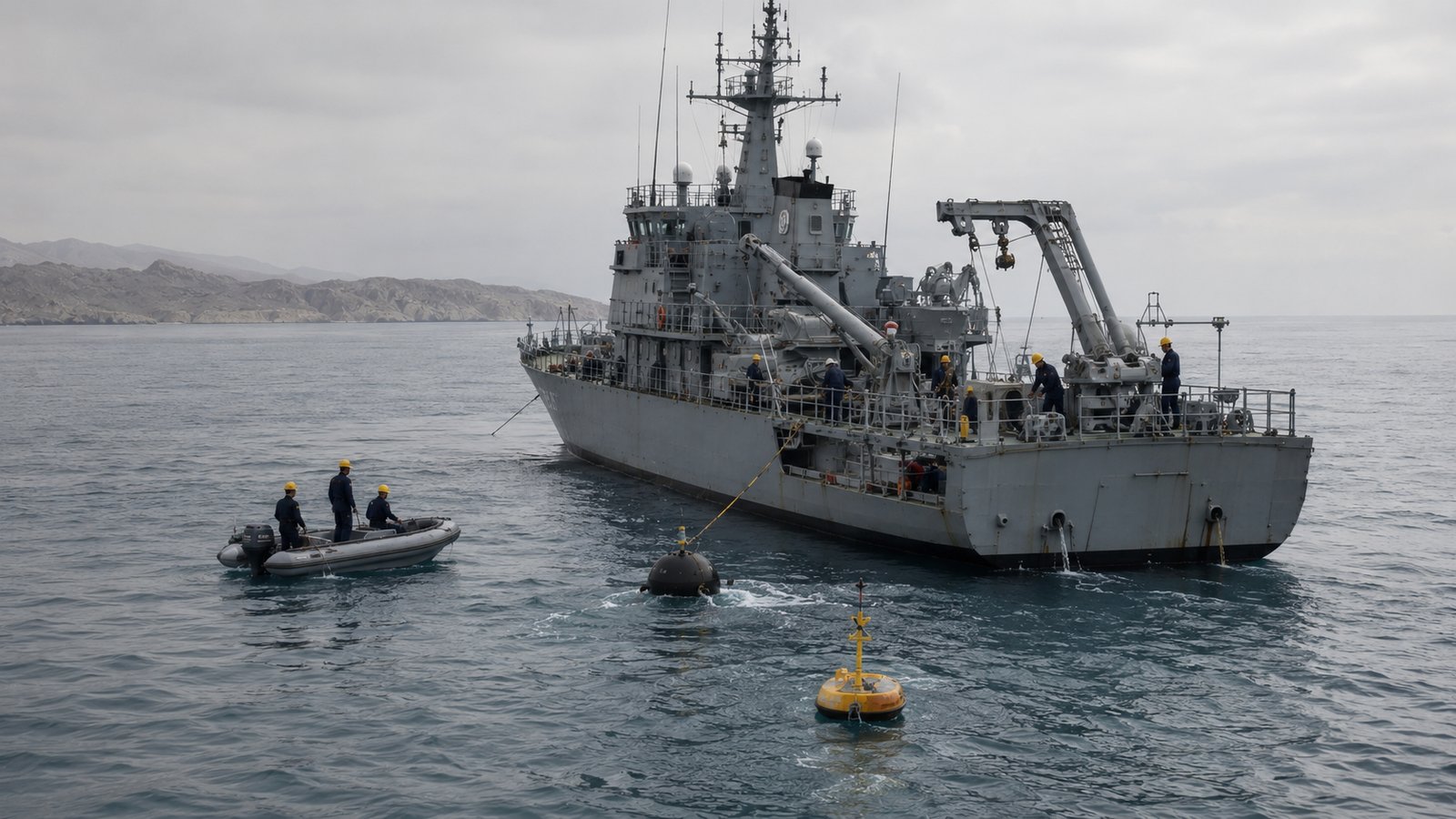
Underwriters added a clause voiding war-risk cover for any ship paying a Hormuz transit fee, and Washington sanctioned the body that would collect it.
Iran's deputy foreign minister said the Oman deal is not a reopening and needs a separate leadership decision. Pezeshkian says Khamenei is hard to reach.
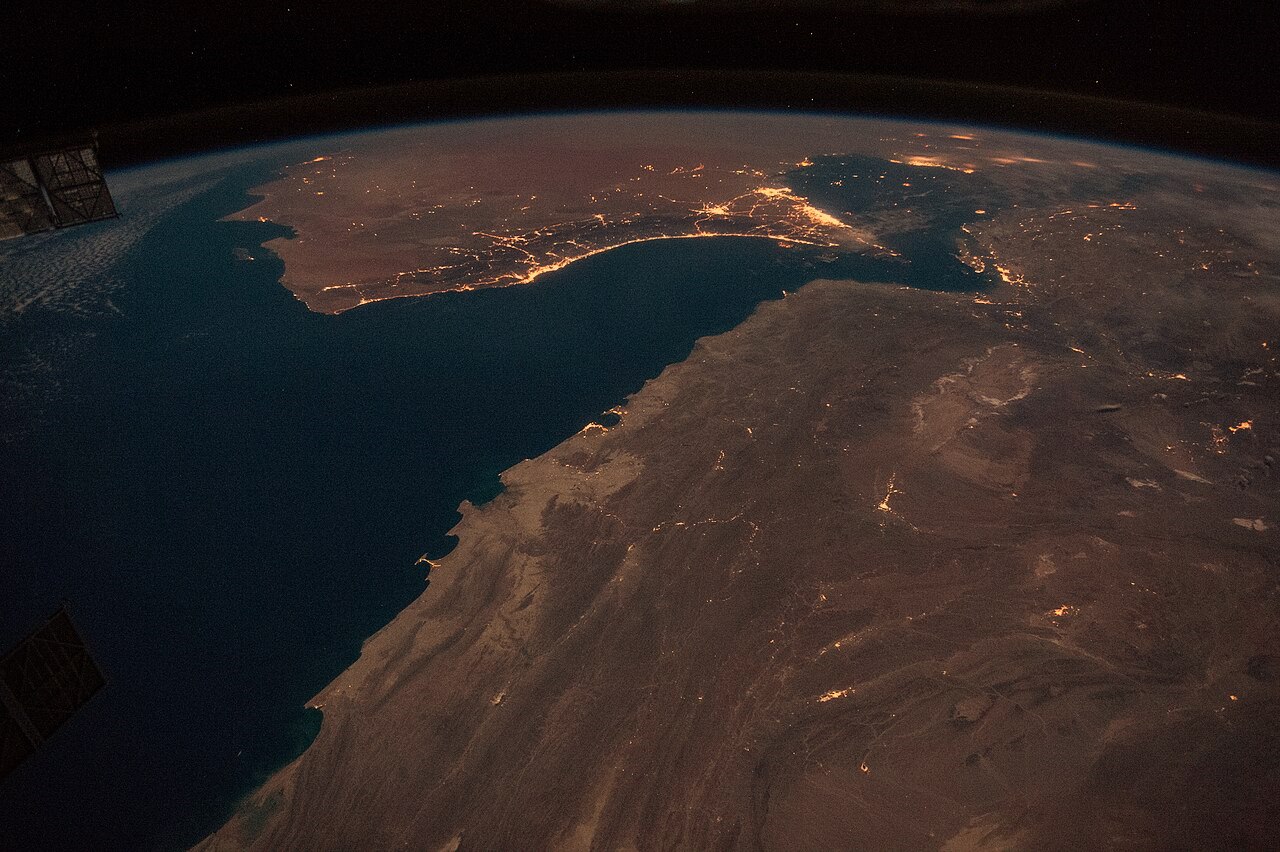
Iran agreed with Oman on a Hormuz shipping route, the first concrete deliverable in two months of talks, then said the strait stays closed anyway.

Brent dropped 5.5% through $80 after the Treasury secretary said a Hormuz deal might land today. No talks convened, the strait did not reopen, and Rubio walked it back.

Brent settled at $83.77, its lowest close since July 13, after Trump postponed a strike citing agreed terms. Tehran denies any talks. By evening, US officials did too.
Brent rose toward $90 after Iran claimed it struck two tankers in Hormuz. No maritime authority has confirmed it. July ends up 22% and the week down 7%.
Brent slipped toward $89 after a two-hour US strike wave aimed at Iran's ability to hold the Strait of Hormuz. One Qatari LNG tanker finally got out.
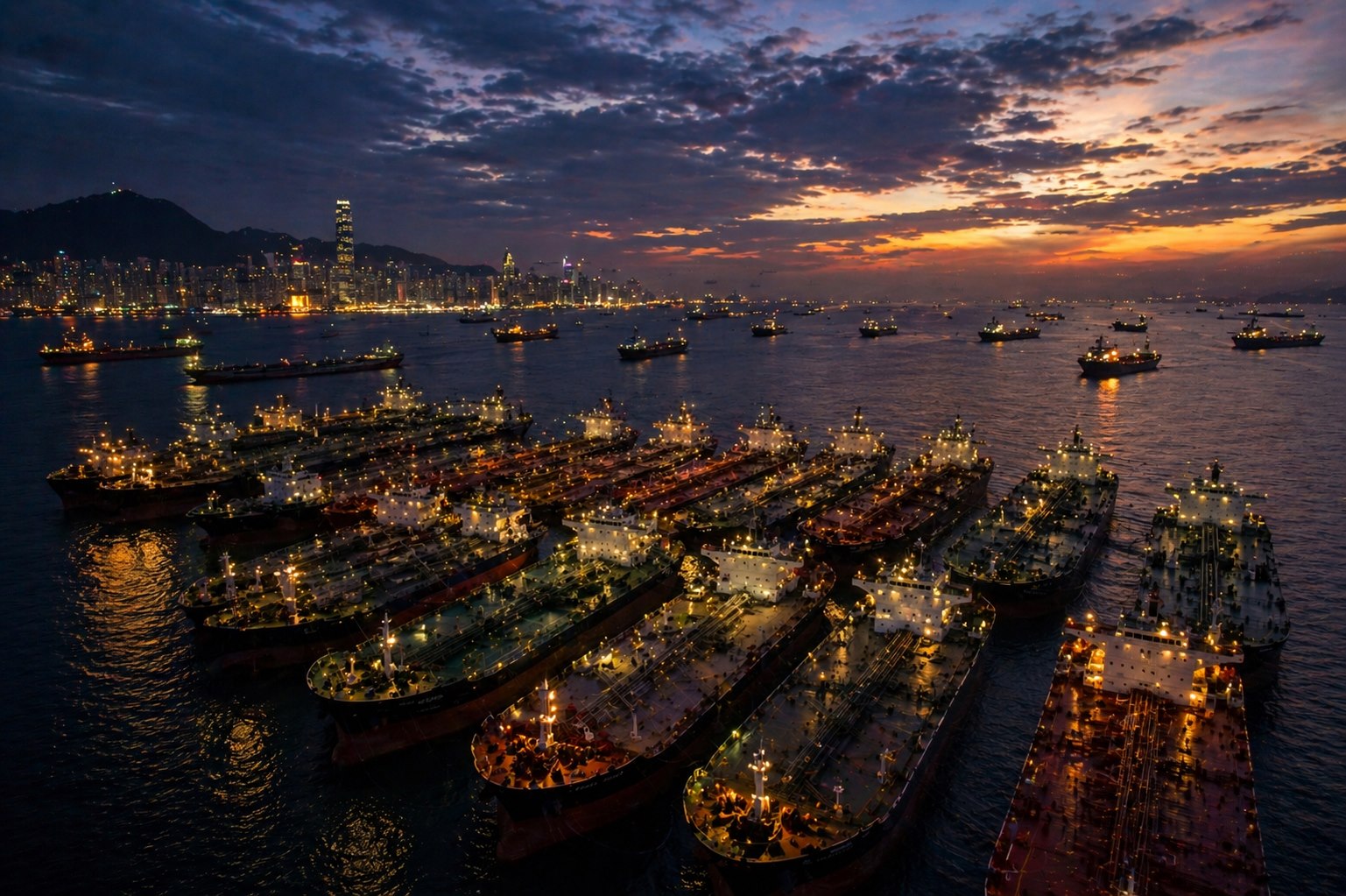
Brent jumped above $90, up more than 7% from Tuesday's settle, after Iran fired ballistic missiles at US forces in Jordan and rejected Oman's plan to share the strait.
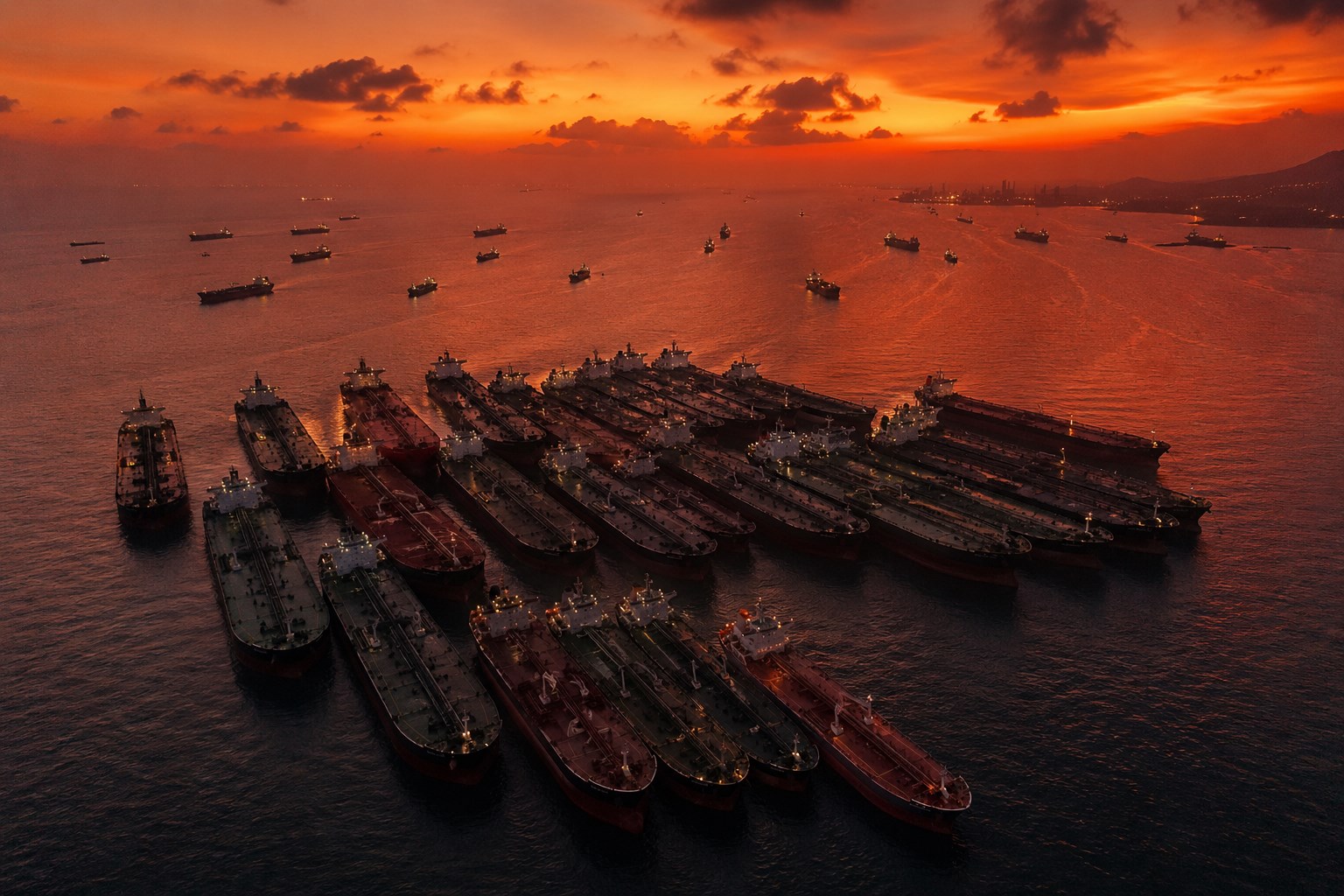
Brent fell a third session to about $86.57 as Oman handed Tehran a Gulf-backed plan for joint control of the strait with voluntary fees. Abqaiq was not hit.
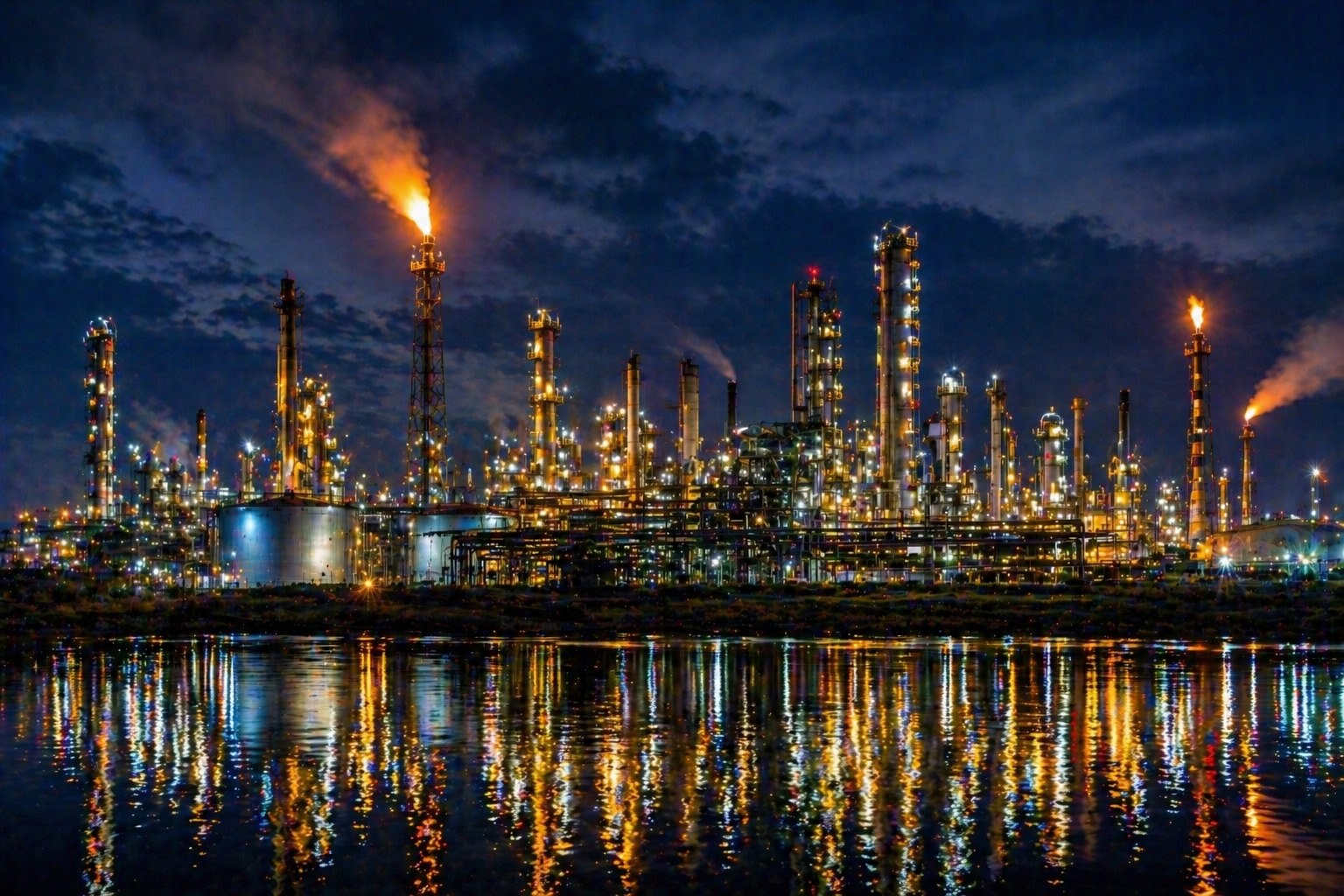
Brent fell below $91, erasing last week's break above $100, after the US quietly paused strikes on Iran and Tehran stopped shooting back. The Houthis hit Saudi Arabia's bypass route anyway.
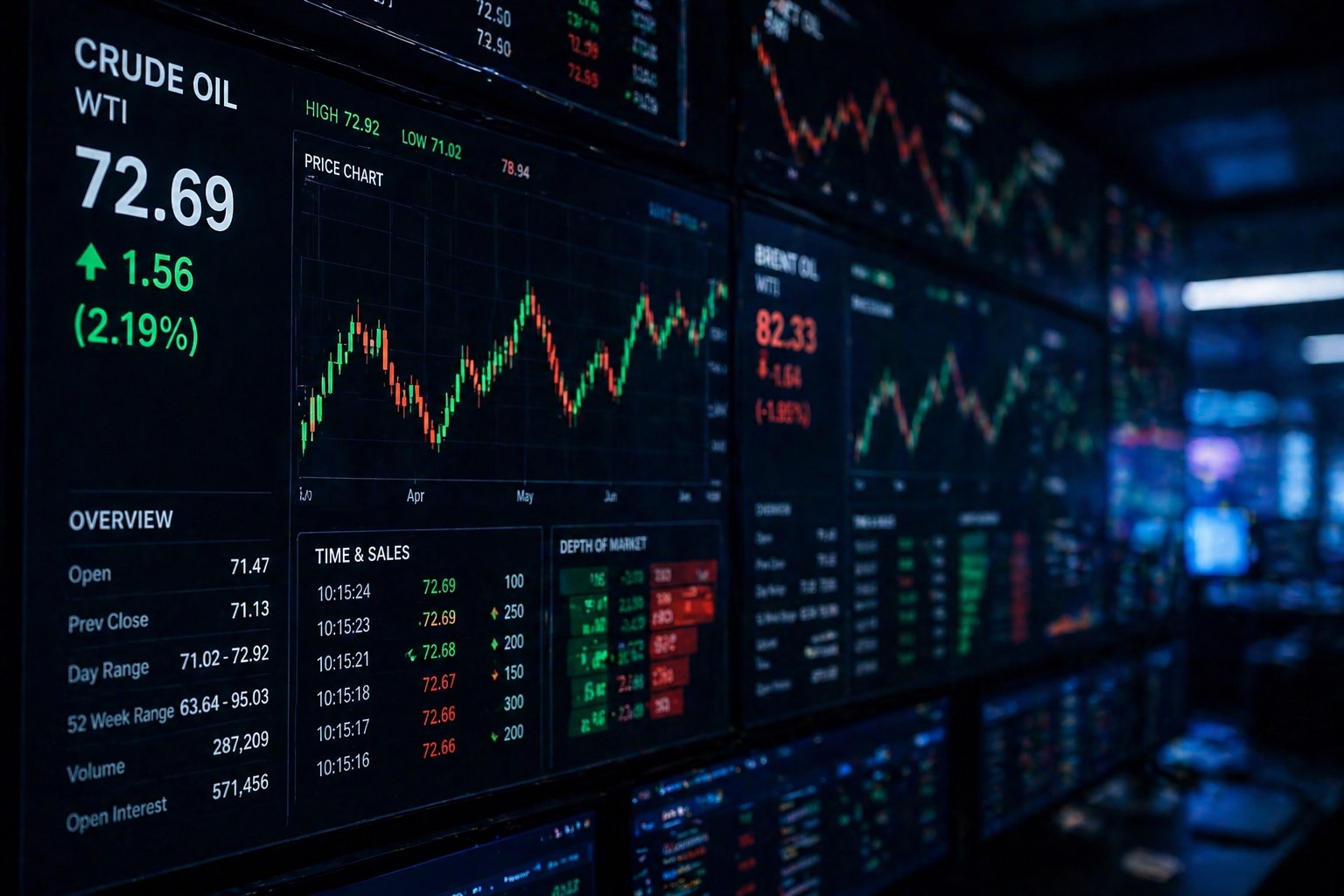
Brent hit $100 for the first time since May before easing Friday, as Iran rejected a US ceasefire and Trump weighed a bigger attack. Kharg still stands.
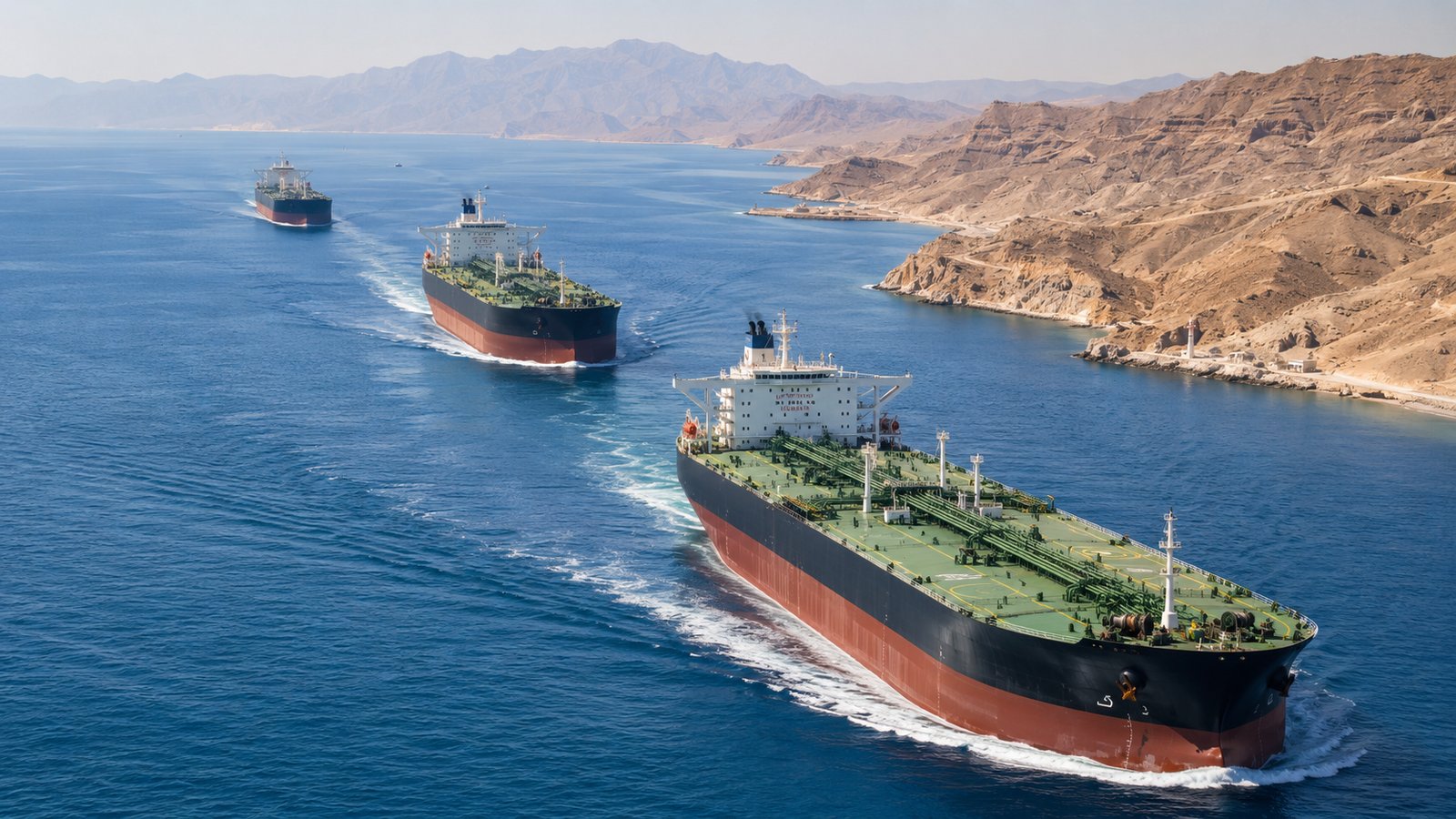
Brent ran toward $98 and WTI past $90 as the Houthis struck their first Saudi tanker, turning the Red Sea blockade from a threat into a second open chokepoint.
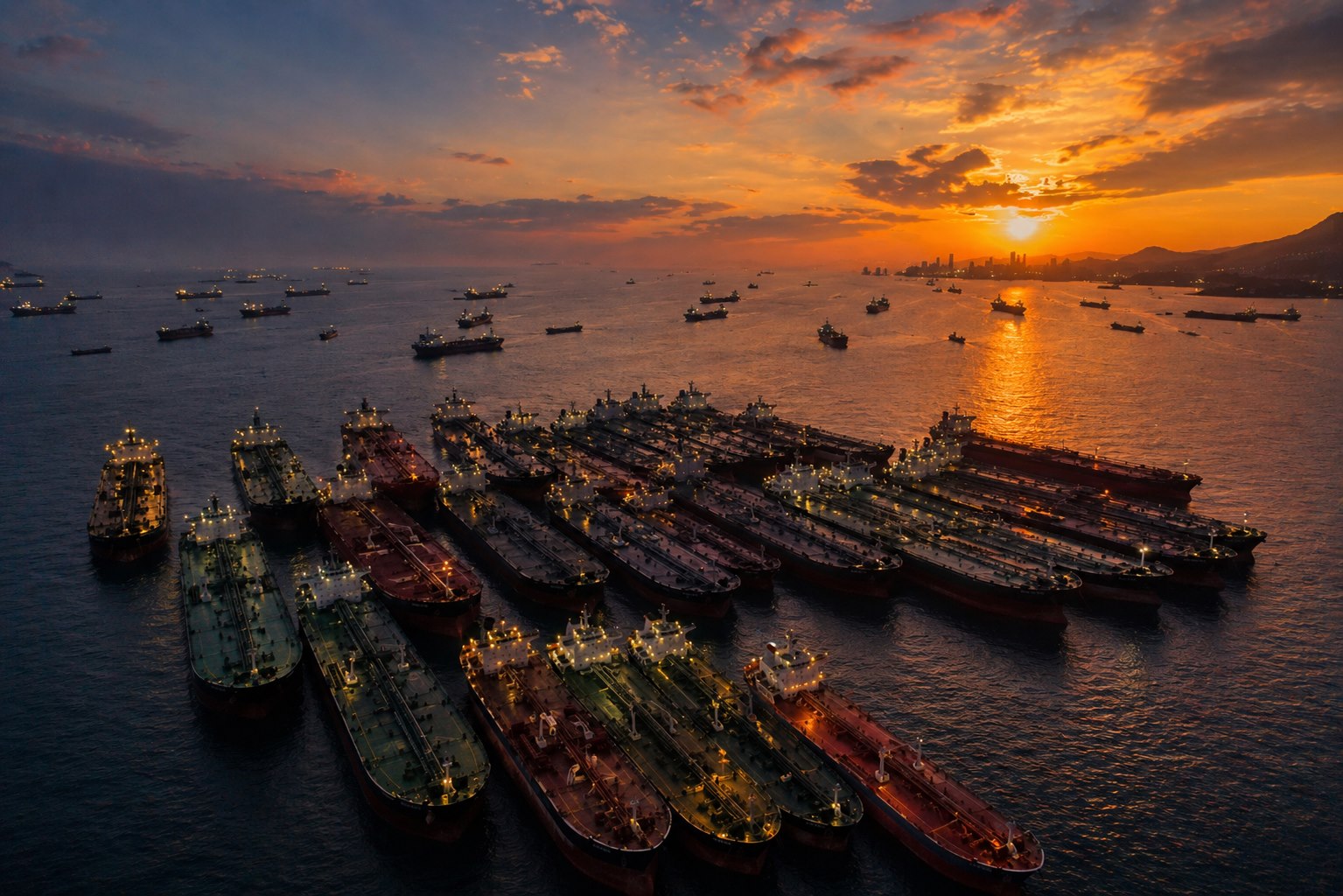
Brent touched $95 and settled near $93.88, up 3.1%, a six-week high, as an 11th night of strikes and a new Trump threat overwhelmed a bearish EIA crude build.
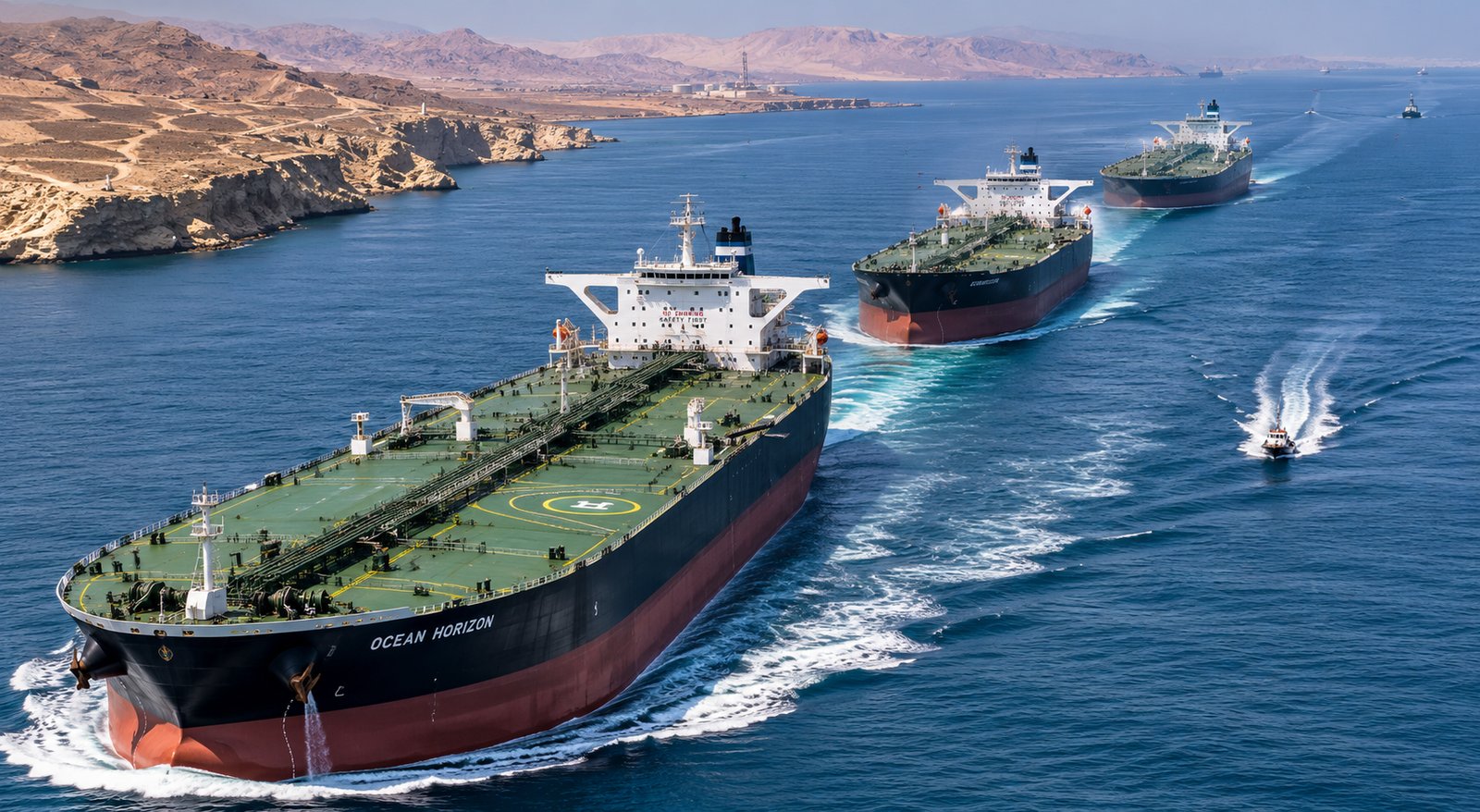
Brent broke $91 and held it as the 10-day ceasefire stalled and two tankers were hit inside the corridor Washington set up as the safe route through Hormuz.
Brent hit a five-week high of $91.42 on Monday, then surrendered nearly all of it as a 10-day ceasefire proposal reached Tehran. Kuwait's oil took real damage and Kharg still stands.
Where Brent crude is heading through 2026: the war-premium round trip, a second chokepoint, and the Kharg tail risk that could break prices either way.
Brent held around $86 and WTI near $80 on Friday, both up more than 11% on the week, their best since April, as the US-Iran war spread to Iraqi oil infrastructure and a Red Sea threat. Hormuz transit collapsed 62%. The two pivots, a strike on Kharg or a ceasefire, still have not fired.
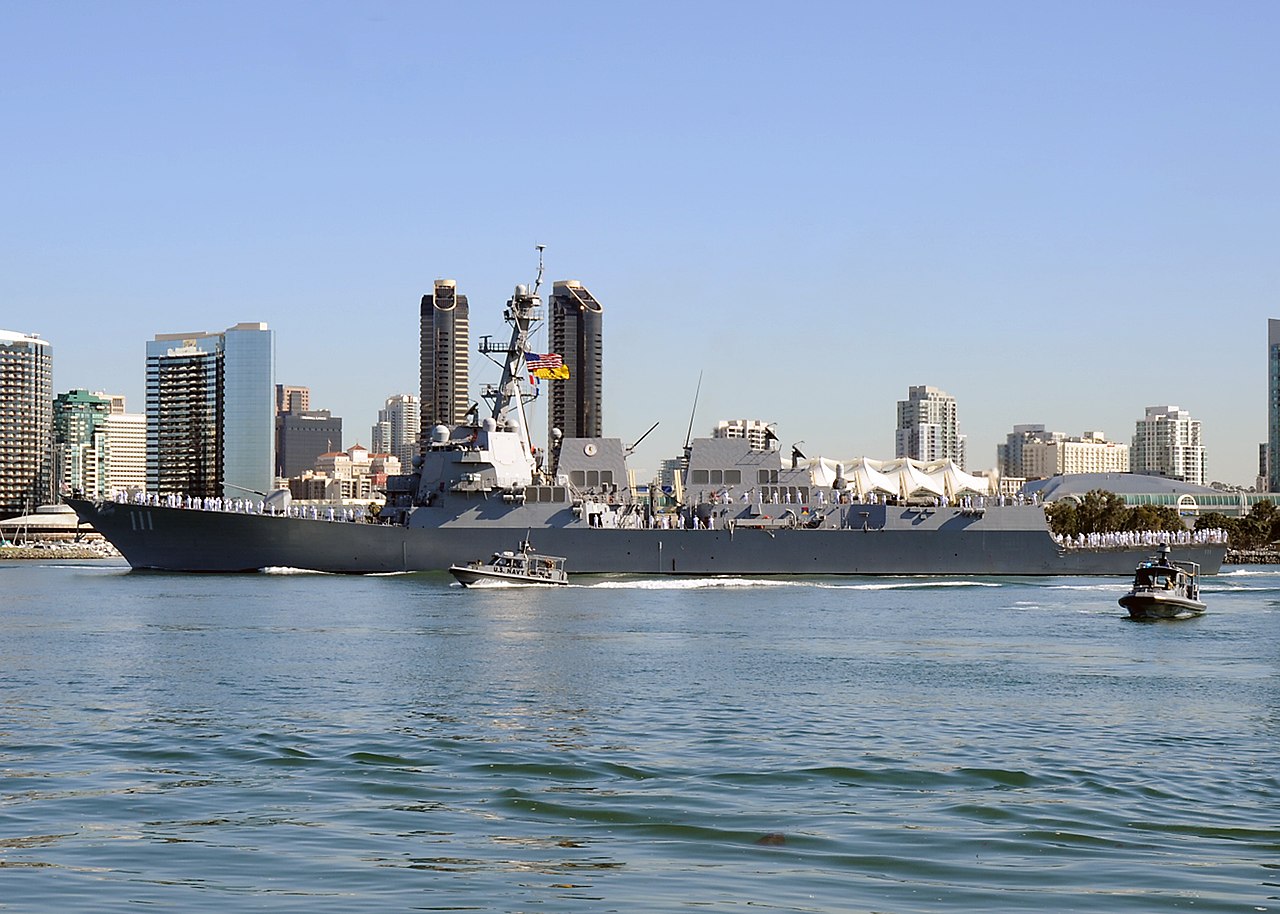
Brent held near $85 on Thursday, a fourth straight daily gain, even as the US disabled a tanker near Kharg with missiles, bombed Iran for a sixth day, and Iran struck US bases in three Arab states. The one thing that would break the price higher, a hit on Kharg's oil terminal, still has not happened.
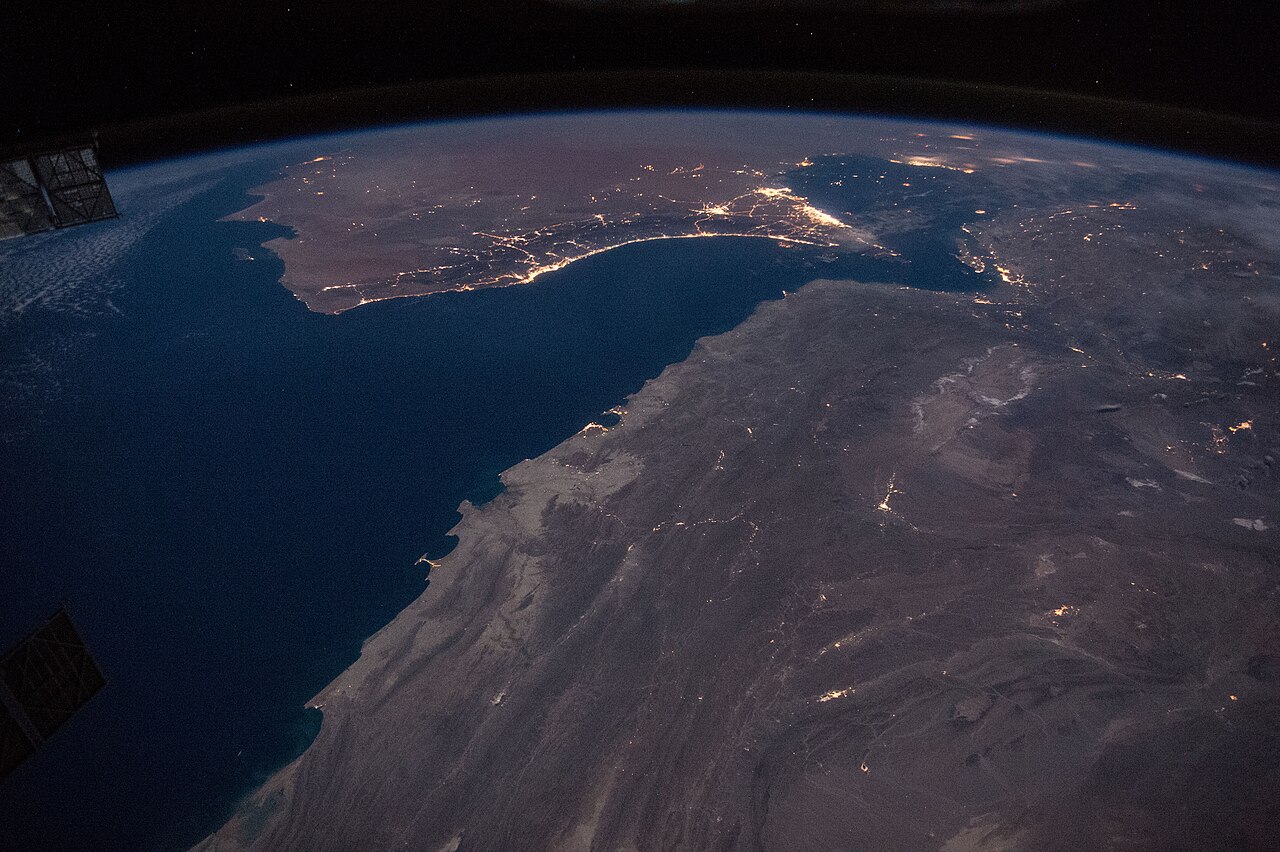
Brent hovered around $85 on Wednesday, consolidating after the surge, as the US bombed Iran for a fifth straight day but deliberately avoided Kharg Island's oil facilities. Trump called them a chunk of the world economy. A cooler US inflation print and a weak inventory draw leaned against the war premium.
Brent jumped above $86 and WTI topped $80 on Tuesday, one-month highs and up more than 10% for the week, after Iran hit two UAE tankers in Hormuz, killing a crewman, and Trump reinstated a blockade and demanded a 20% toll on all cargo through the strait. The premium broke higher, but Kharg Island still stands.
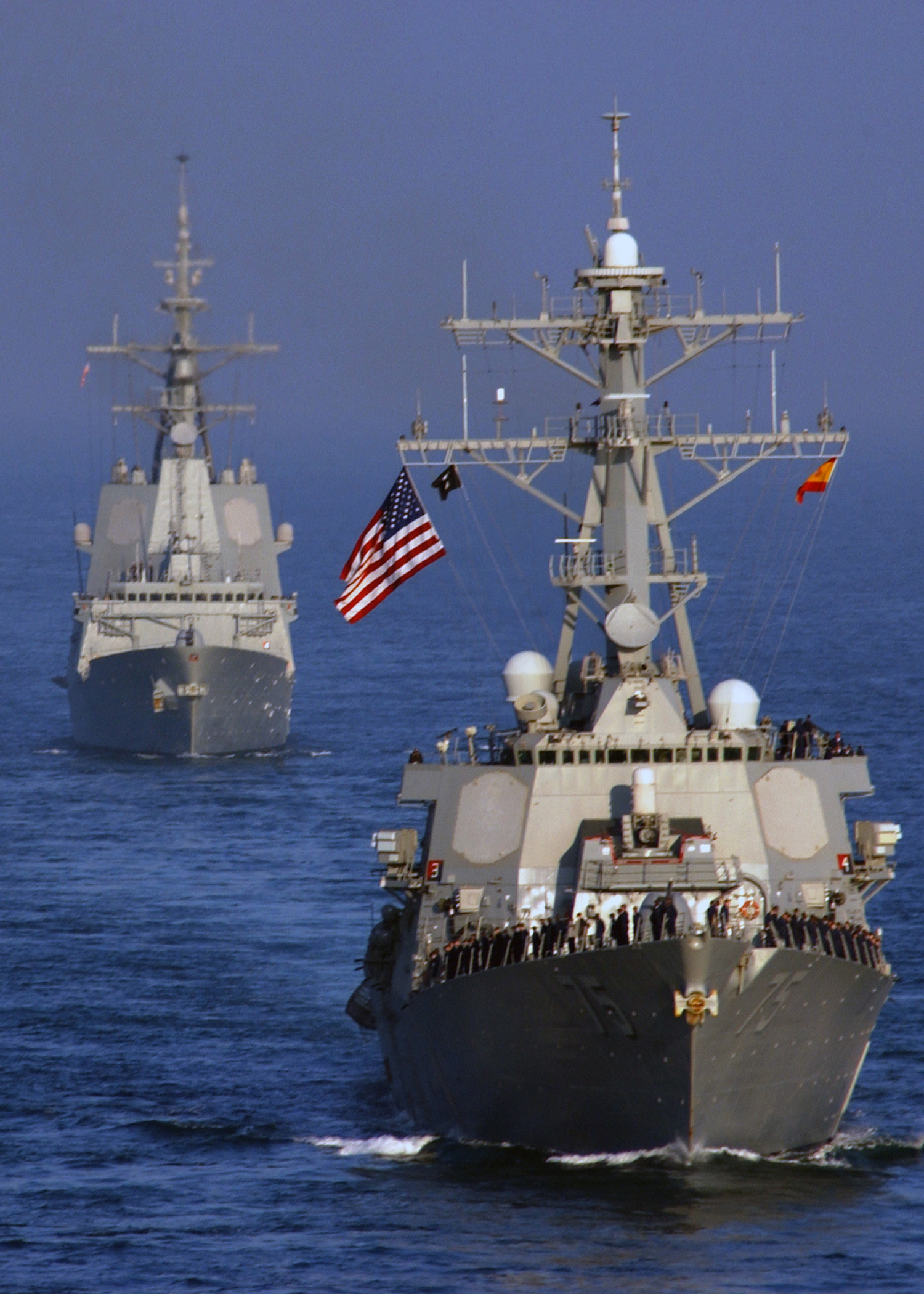
Brent leapt more than 4% to nearly $79 on Monday, its highest since June 22, after a third straight weekend of US-Iran strikes, Iran declaring the Strait of Hormuz closed, and the first hit on energy infrastructure in weeks. The war premium is climbing back, but Kharg still stands and the glut still caps it.
Oil slipped to about $76 on Friday even after the most intense US-Iran exchange in a month, because no strike hit Iran's oil terminals, the glut held, and mediators pushed both sides back toward talks. The premium is not just contained now. It is leaking out.
A day after the US and Iran traded strikes, oil held near $78 instead of extending its jump. Trump threatened a blockade and strikes on Iran's Kharg Island export terminal, but the market is pricing wait-and-see, not a sustained Hormuz closure.
The US struck more than 80 Iranian targets overnight after Tuesday's tanker attacks, Iran vowed a crushing response, and Trump declared the ceasefire over. Brent leapt about 6% to $78 and WTI to $74, but even a return to direct combat left oil far below its spring war highs.
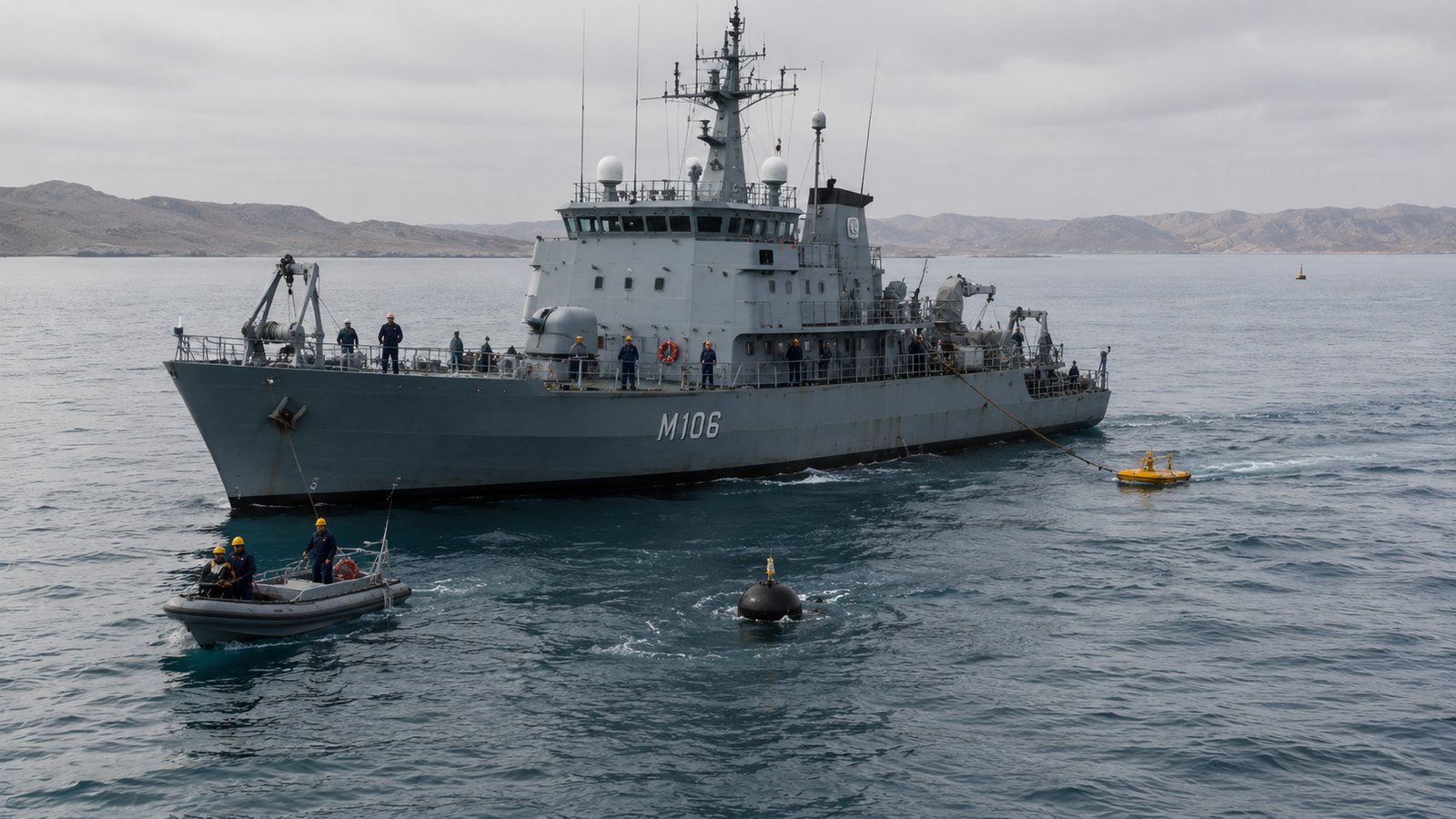
The week-long stand-down broke overnight when a Qatari LNG carrier and a Saudi tanker were hit in the Strait of Hormuz. Oil rose about 2% off its four-month low, a fraction of a real war premium, while Iran tied the nuclear talks to Trump's threat to "finish the job."
OPEC+ approved the expected 188,000 bpd increase for August on Sunday and oil barely moved. The sharper news came from Aramco, which cut its flagship crude to Asia by $11, to a discount for the first time since the 2020 price war. Riyadh is fighting for the buyers it lost during the blockade.
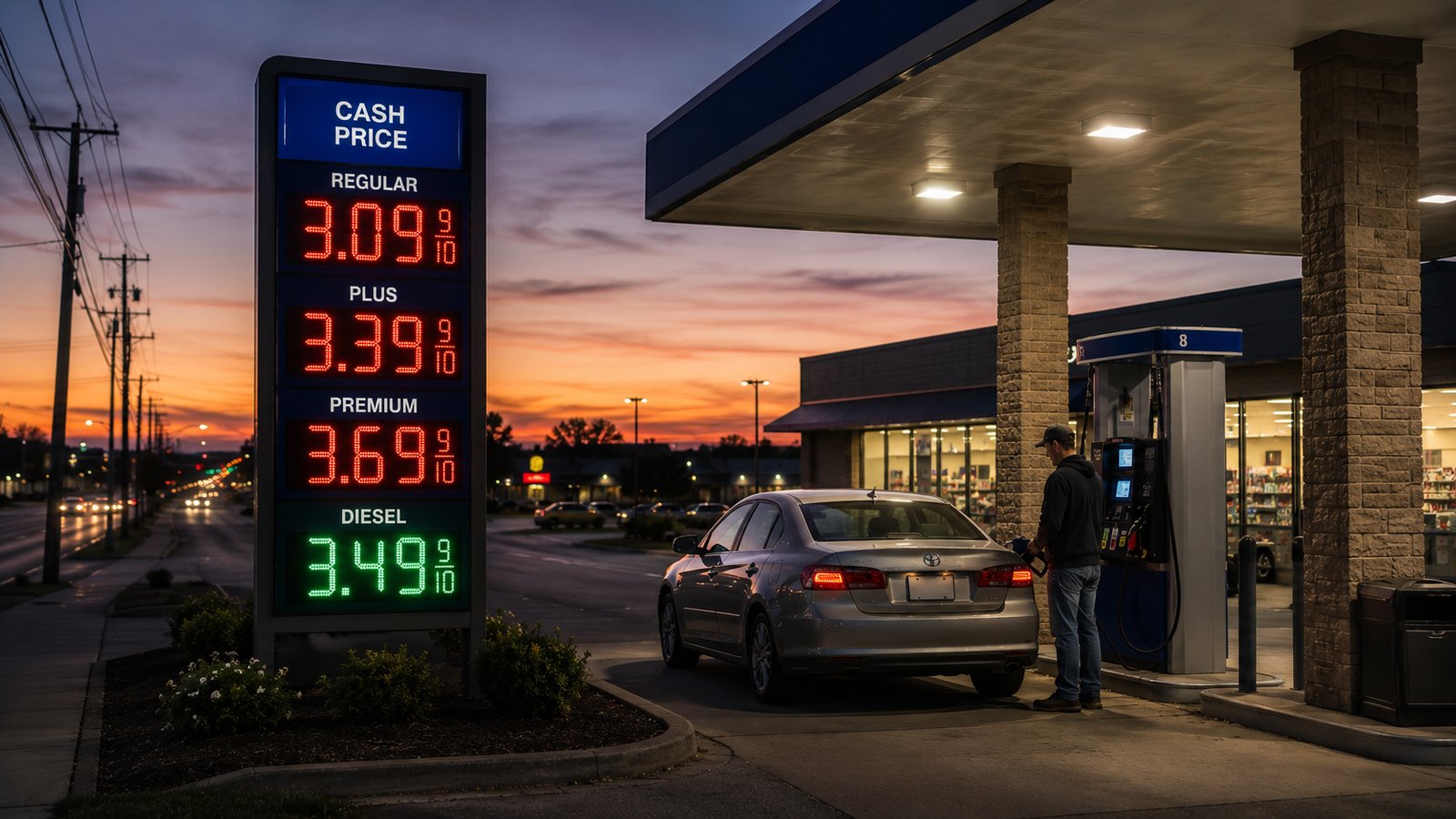
AAA puts the national gasoline average at $3.83 for the July 4 weekend, down nearly 50 cents from the wartime peak but still the priciest Fourth since 2022. A weak jobs report lifted rate-cut odds and oil snapped its losing streak, and OPEC+ meets Sunday with sources pointing to another output hike.
WTI fell below $68 on Thursday, its lowest since late February, as the Strait of Hormuz reopening floods the market with returning supply. A bullish EIA crude draw couldn't stop the slide because gasoline and distillate built. OPEC+ meets Saturday to set August output into a glut, and the June jobs report lands today.
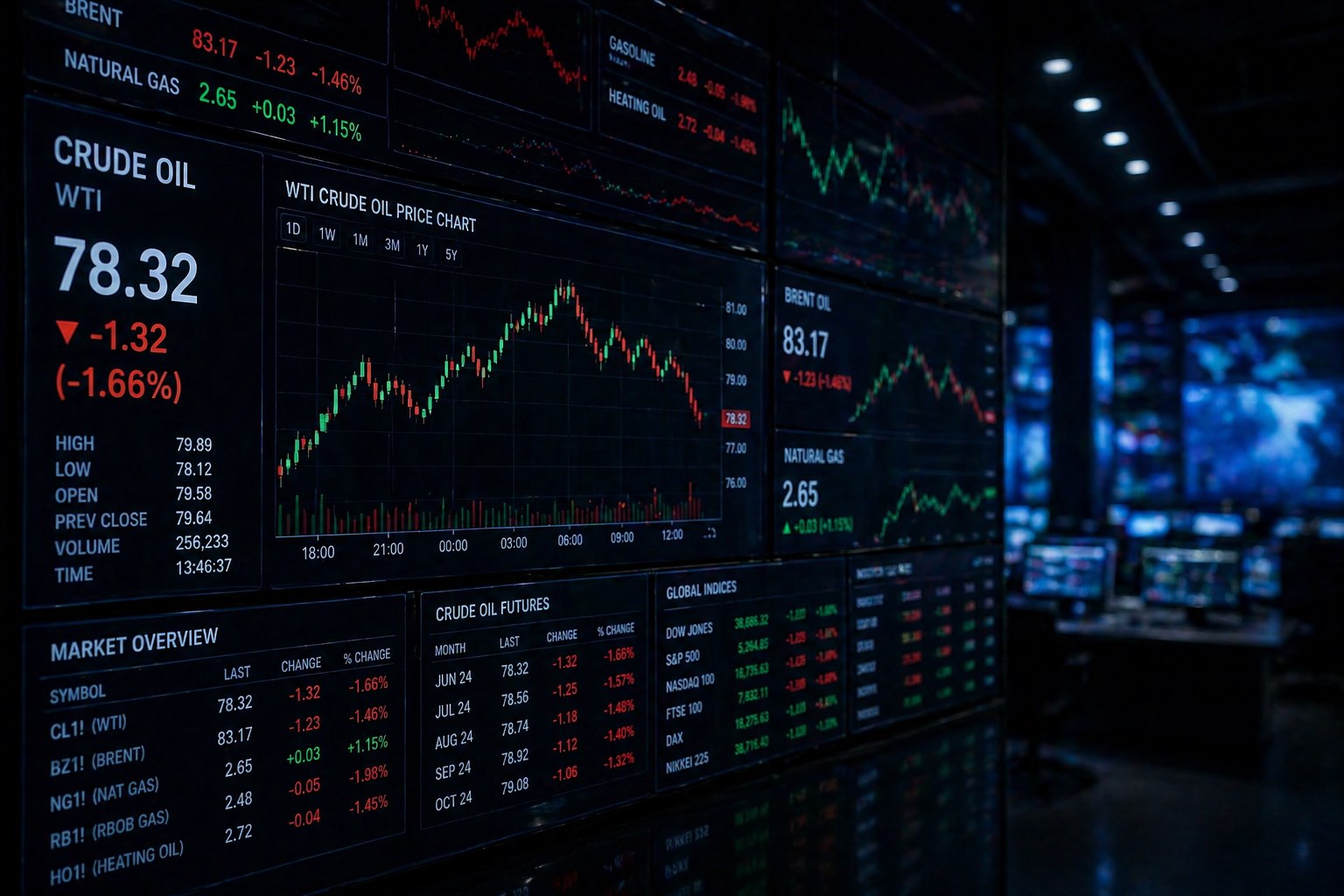
Brent and WTI closed the second quarter down roughly 24%, the steepest quarterly fall since the 2020 pandemic crash. The Strait of Hormuz closed, oil spiked above $110, a deal was signed, and the whole war premium unwound, all between April and June. Here is how the quarter that started in crisis ended in a glut.
A second tanker was droned, the US bombed 10 Iranian military targets, and Iran fired missiles at Bahrain and Kuwait over the weekend, the first direct US-Iran exchange since the deal was signed. Both sides stood down by Sunday. Oil rose only about a dollar, with Brent sitting barely above its pre-war level.
An IRGC drone hit a container ship in the Strait of Hormuz on Thursday, the first attack on a vessel since the deal was signed. Oil rose about 3% on the news, then erased the entire bounce on Friday, with WTI sliding back below $70 to a fresh post-crisis low as Gulf producers ramped exports.
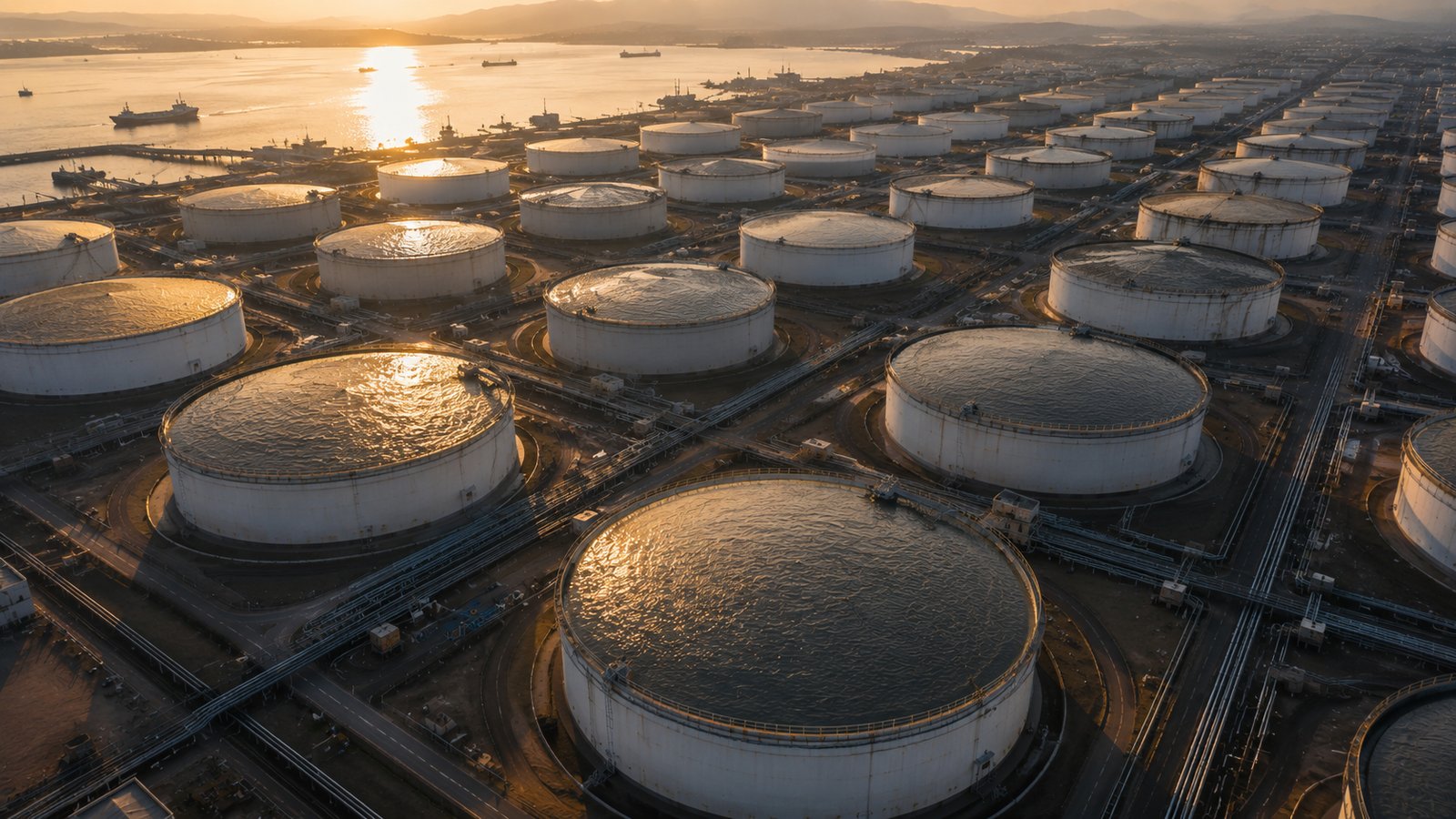
WTI fell below $70 to its lowest since late February, fully unwinding the war premium it built during the Strait of Hormuz crisis. A bigger-than-expected EIA crude draw on Wednesday couldn't slow the slide. Banks are racing to cut forecasts, and the inspections dispute hardened into a sequencing fight.

One day into the 60-day road map, the US and Iran are publicly contradicting each other on its hardest term. Trump and Vance say Iran agreed to high-level IAEA inspections; Tehran says detailed nuclear talks have not begun. Washington licensed Iran to sell oil for 60 days, and crude slid to its lowest in three months.
Iran's military re-declared the Strait of Hormuz closed on Saturday over Israel's strikes in Lebanon. Tankers kept sailing, the US-Iran talks went ahead and produced a 60-day road map to a final deal, and oil fell on the diplomacy rather than rising on the threat. The market no longer believes the closure card.
Three Saudi supertankers crossed the Strait of Hormuz and roughly 12 million barrels moved overnight, the clearest sign yet the blockade is lifting. But the first nuclear talks were postponed over Lebanon, Khamenei gave a grudging public yes, and the signed text shows the toll-free passage lasts only 60 days. Oil held near multi-month lows.
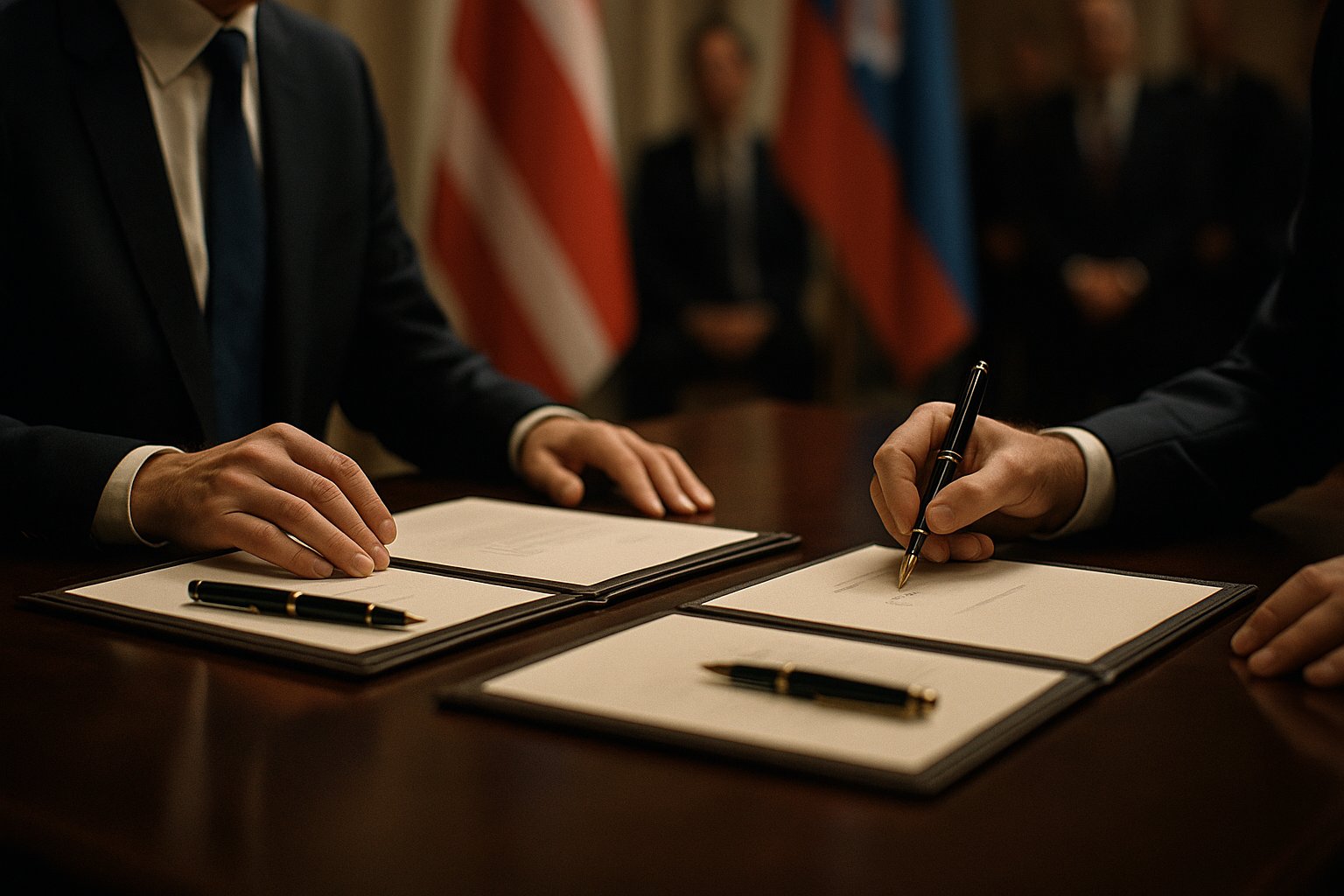
Trump and Pezeshkian signed the Iran framework electronically at Versailles on Wednesday, two days early, cancelling Friday's Geneva ceremony. Oil broke its floor to multi-month lows, WTI below $75 and Brent below $78. The strait is still closed and no barrels are moving.
After Monday's plunge wiped out the war premium, oil stopped falling. WTI held in the high $70s and Brent in the low $80s, roughly flat. Trump downgraded the Iran deal to "a very strong memorandum of understanding, a little conceptual." The strait is still closed, the signing is still Friday, and the market is now waiting.
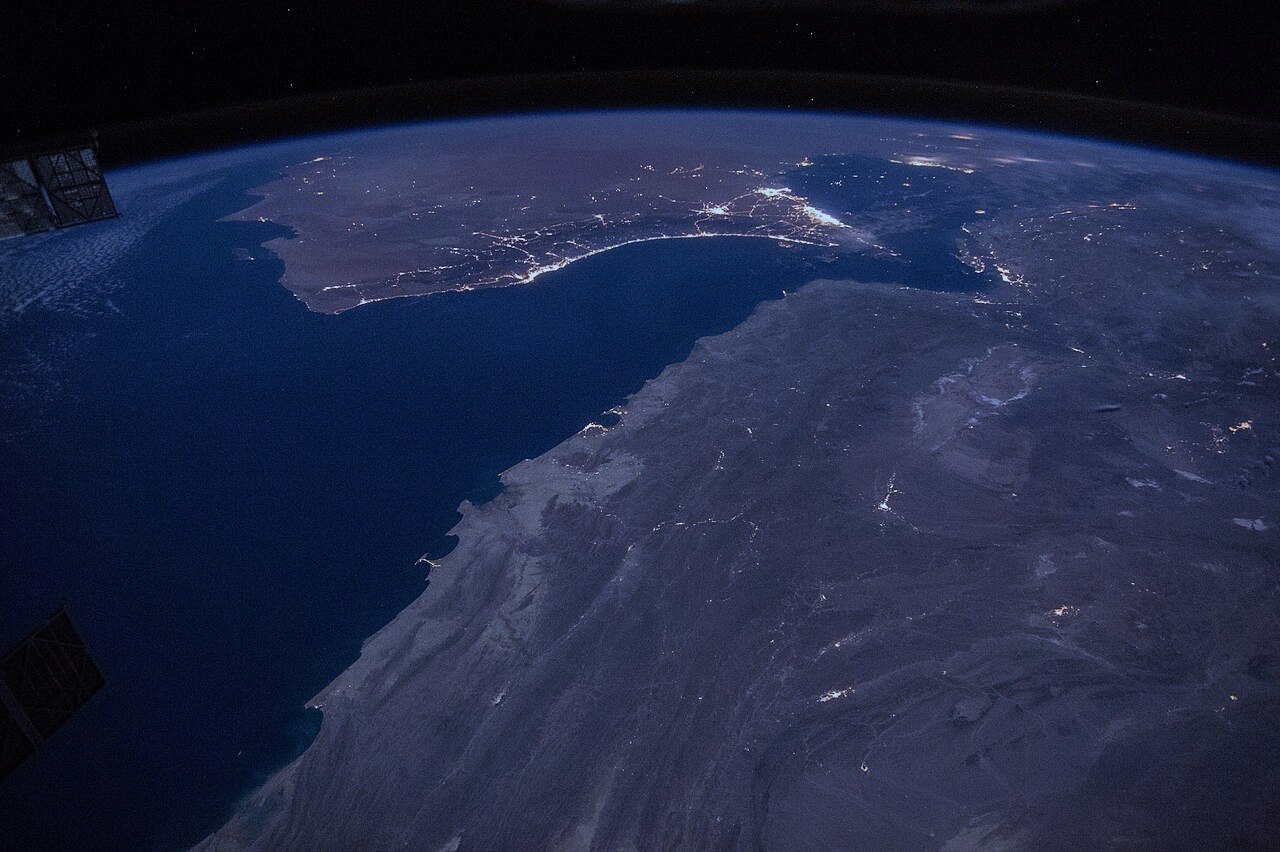
Trump declared the Iran deal "complete" and authorized a toll-free reopening of the Strait of Hormuz and the removal of the US blockade. But nothing is signed until a Friday ceremony in Switzerland, the strait remains physically closed, and the two sides still dispute the terms. Brent fell to about $83 and WTI to about $80, the lowest since early March.
Hours after threatening to hit Iran "very hard tonight," Trump canceled the strikes and announced "a great settlement." Pakistan says a final agreed text of the peace deal is done. Brent fell 4 to 5 percent toward $87-90 and WTI to the mid-$80s, eight-week lows. Iran has not signed, and the two sides already dispute what the text says.
The US struck Iran on two consecutive days, Iran retaliated against US bases in Bahrain, Kuwait, and Jordan, and Tehran formally re-closed Hormuz with a shoot-on-sight warning. Trump threatened to seize Kharg Island and take control of Iran's oil markets. WTI held near $90 and Brent near $93. The muted reaction is the story.
US crude inventories drew just 3 million barrels last week against an 8 million forecast, a bearish miss. Oil rose anyway. WTI climbed to about $90 and Brent to about $93, bouncing off Tuesday's seven-week low, because Hormuz is still running at roughly 5% of normal and the Lebanon-anchored truce is fragile.
US Energy Secretary Chris Wright said Strait of Hormuz ship traffic is "rising very meaningfully." Iran and Israel halted attacks, Trump said a deal is two to three days away, and China imports hit eight-year lows. Brent fell to about $91 and WTI to $88, the lowest since April. The shortage-to-surplus flip has started.
OPEC+ approved a fourth straight production increase Sunday, adding 188,000 barrels a day for July, even though the Hormuz closure keeps Saudi Arabia pumping 3 million barrels a day below quota. The deal remains unsigned. Brent traded in the mid-$90s. Analysts warn the paper barrels become a glut the moment the strait reopens.
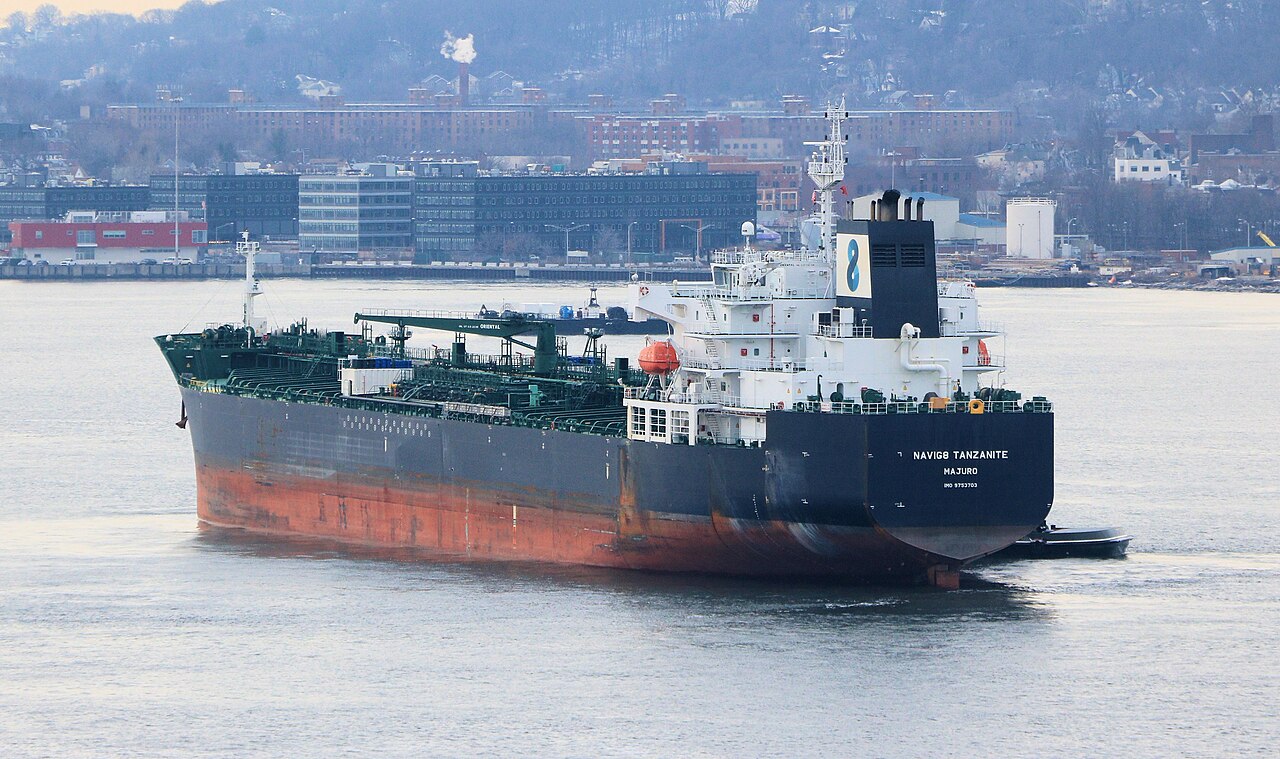
A drone hit Oman's Mina al-Fahal terminal Friday, the export hub that was the market's workaround to the closed Strait of Hormuz. Brent firmed to around $94-95 after a midweek pullback. OPEC+ meets Sunday and is expected to raise quotas again, even as the closure keeps Saudi output 3 million barrels a day below its existing quota.
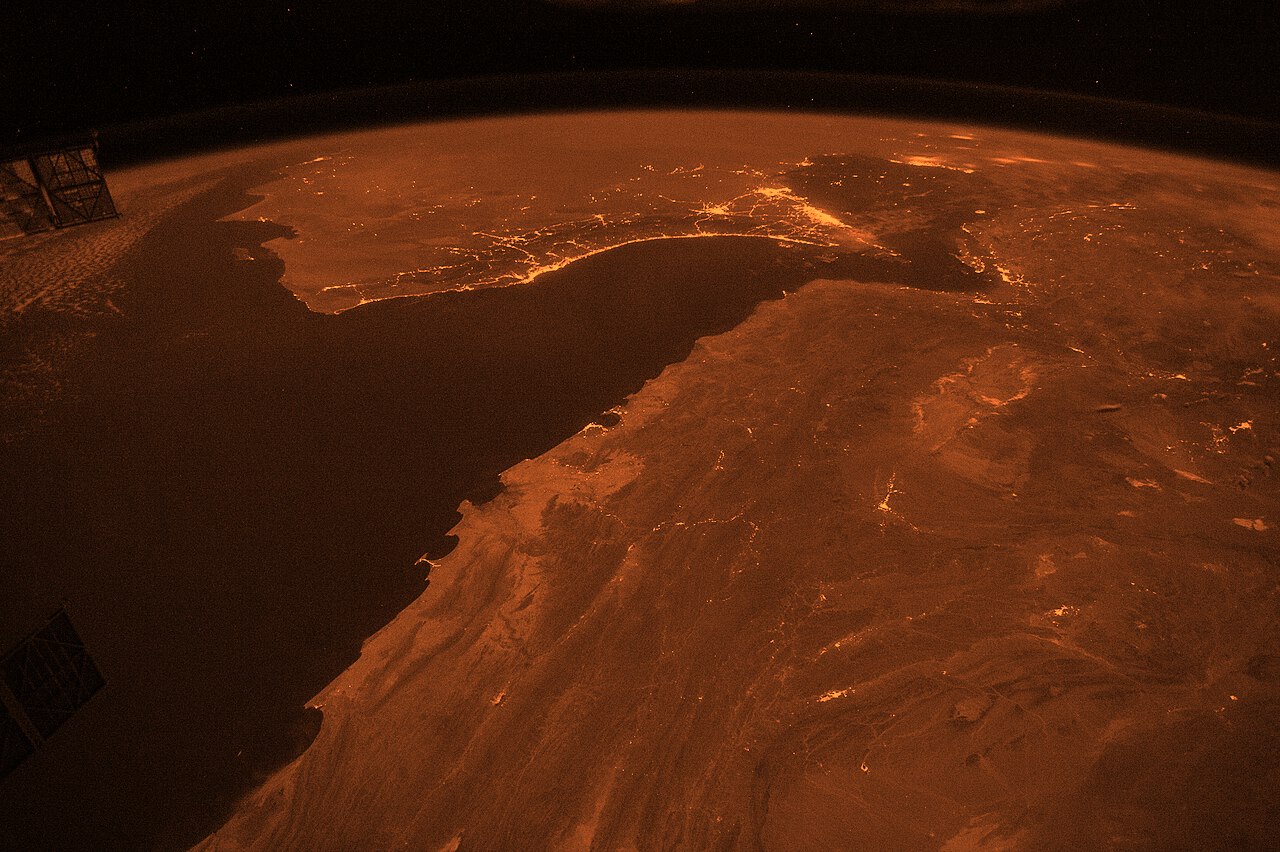
Iran fired roughly 30 missiles and drones at Gulf states at dawn Wednesday, killing one and injuring more than 60 at Kuwait's main airport, after the US struck Qeshm Island. Brent climbed back toward $100 and WTI above $95, reinforced by an 8-million-barrel US crude draw. The desensitized market finally repriced.
Iran suspended the indirect nuclear talks over Israel's escalation in Lebanon. Trump said "I don't care" if they are over, then claimed on Truth Social they continue "at a rapid pace." Oil fell, with Brent at $93.80 and WTI at $91, as a Lebanon ceasefire and Trump's de-escalation signals outweighed the broken talks.
The tentative ceasefire deal went unsigned over the weekend. Iran downed a US drone, the US bombed Iranian sites at Geruk and Qeshm Island, and a US base in Kuwait came under fire. Brent rebounded 3.3% to $94.15, WTI to $90.63, reversing part of last week's 20% collapse.
Negotiators reached a tentative 60-day ceasefire deal Thursday, but it sits unsigned on Trump's desk and Iran has not confirmed it. Brent fell to $92.50, WTI to $87.40, the steepest weekly drop since April. Iran fired warning shots at four vessels in Hormuz the same day.
CENTCOM hit IRGC mine-laying boats and a SAM site near Bandar Abbas on Monday night, the first US kinetic action inside Iran during the ceasefire. Four Revolutionary Guard killed. Brent briefly touched $100, then settled near $99.18. WTI at $93.12. The market is reading limited escalation as net-bearish.
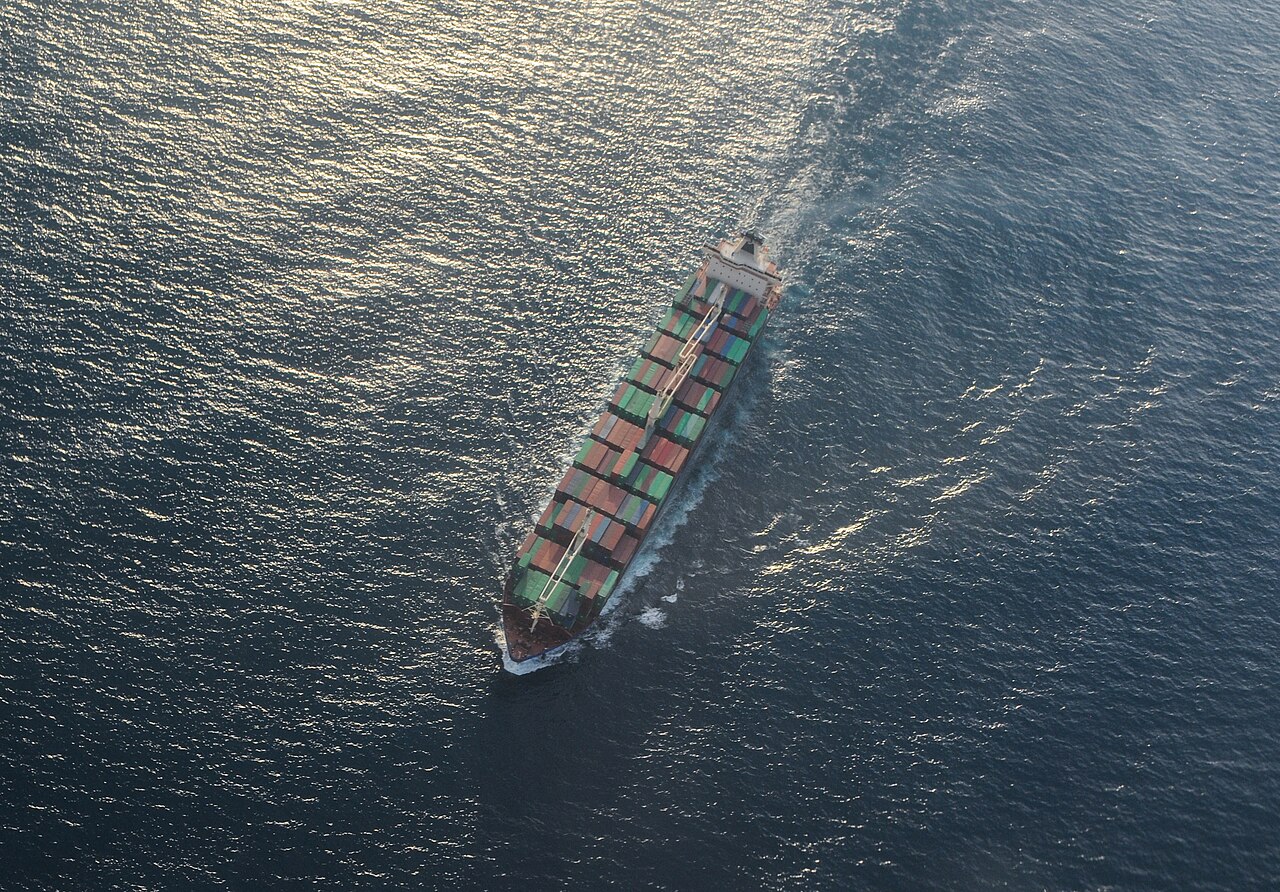
Vessel traffic through the Strait of Hormuz jumped from three tankers Thursday to 33 in 24 hours under Iran's new permit regime. Pakistan's army chief returned from Tehran calling progress "highly productive." WTI fell to $96.60. Brent dropped to $103.54. Trump told negotiators not to rush.
Satellite data shows three supertankers transited the Strait of Hormuz Thursday, the first partial restoration of flow since February. They moved under Iran's newly formalized Persian Gulf Strait Authority permits. WTI settled below $100 for the first time in a week. Brent rebounded to $105.80.
The Gulf allies' window for an Iran deal closed without breakthrough. Iran's president called dialogue "not surrender." Trump now says he may have to "give them another big hit." The UAE confirmed the drones that struck Barakah came from Iraqi territory. Brent settled at $111.28.
Trump says he cancelled a planned large-scale attack on Iran after Saudi Arabia, Qatar, and the UAE asked him to wait 2-3 days. They believe a deal is close. Brent dropped from $111 to $110. The military option stays live.
An Iranian drone struck the outer perimeter of the UAE's Barakah nuclear power plant Saturday. No radiation release. Brent hit $111 before pulling back. Trump warned Iran "there won't be anything left." A Situation Room meeting on military options is set for May 19.
The US-China summit ended with a nine-point joint document that for the first time puts Hormuz language in writing from Beijing. Iran's response was to board a vessel near Fujairah and sink an Indian-flagged cargo ship. Brent rose 2% to $108.
The White House said Trump and Xi agreed the Strait of Hormuz must remain open to energy flows. Chinese state media omitted Hormuz from its summit summary entirely. Brent held at $105, unmoved.
Trump arrived in Beijing with Musk, Cook, and Huang and downplayed China's role in the Iran crisis. OPEC's monthly report showed April production fell 1.74 million bpd to its lowest level in decades as the Hormuz blockade compounds.
WTI topped $100 and Brent hit $107 as the US Navy turned back a non-Iranian tanker at the Hormuz blockade line for the first time. China ordered firms to ignore new US sanctions on Iranian oil buyers.
The Trump administration announced a 53.3 million barrel SPR loan with a first shipment heading to Turkey. Brent eased to $105 from yesterday's $107 spike as markets hold ahead of the May 14 Beijing summit.
Trump called Iran's formal response to the US framework "totally unacceptable." Iran said it would "never bow." Brent surged above $104 as fourth-round talks in Oman wrapped with no deal.
Iranian missiles, drones, and fast-attack boats targeted three US destroyers in the Strait of Hormuz Thursday. US forces struck back. No ships were damaged. Brent reversed three days of losses to trade above $101.

Brent crude dropped from $111 to $97 in five trading days. The national average gas price rose to $4.53 per gallon. Both numbers are accurate. Here is the timeline for when the oil crash reaches the pump.
Brent crude fell 9% to $99.64 Wednesday, its lowest since before the crisis, after Trump suspended Project Freedom and officials said the US and Iran are closing in on a one-page deal framework.
Pentagon officials disclosed Iran has attacked US forces more than 10 times since the April 8 ceasefire. No threshold for what constitutes a breach has been defined. Brent fell 2% on the word "ceasefire."
CENTCOM confirmed two US-flagged ships transited Hormuz Monday under destroyer escort. About 800 vessels remain stranded. Iran's demand has not changed.
The national gas average hit $4.45 per gallon this week, up $1.28 from a year ago. Diesel is at $5.64. Gasoline stocks have fallen for 11 straight weeks. Summer demand is still ahead.
The US military began escorting stranded commercial vessels through the Strait of Hormuz at dawn Monday. Two ships made it through. Iran fired warning shots and launched missiles and drones in response. Brent hit $115.
An Iranian drone hit the Fujairah Oil Industry Zone this morning, igniting a fire at the UAE's only Hormuz bypass terminal. Brent jumped to $115. Iran's IRGC released a map claiming control over the area.
Today is day 60 under the War Powers Resolution. Trump's lawyers say the ceasefire stopped the clock. Democrats say that reading guts the law.
Brent hit $126 on Tuesday after Trump confirmed the blockade stays until Iran agrees to nuclear terms. By Thursday it was back near $110. The $16 swing is the largest since the crisis began.
Trump posted an AI image of himself with a rifle on Truth Social, warning Iran to "get smart soon." His aides have been told to prepare for a prolonged blockade. Brent held near $111.
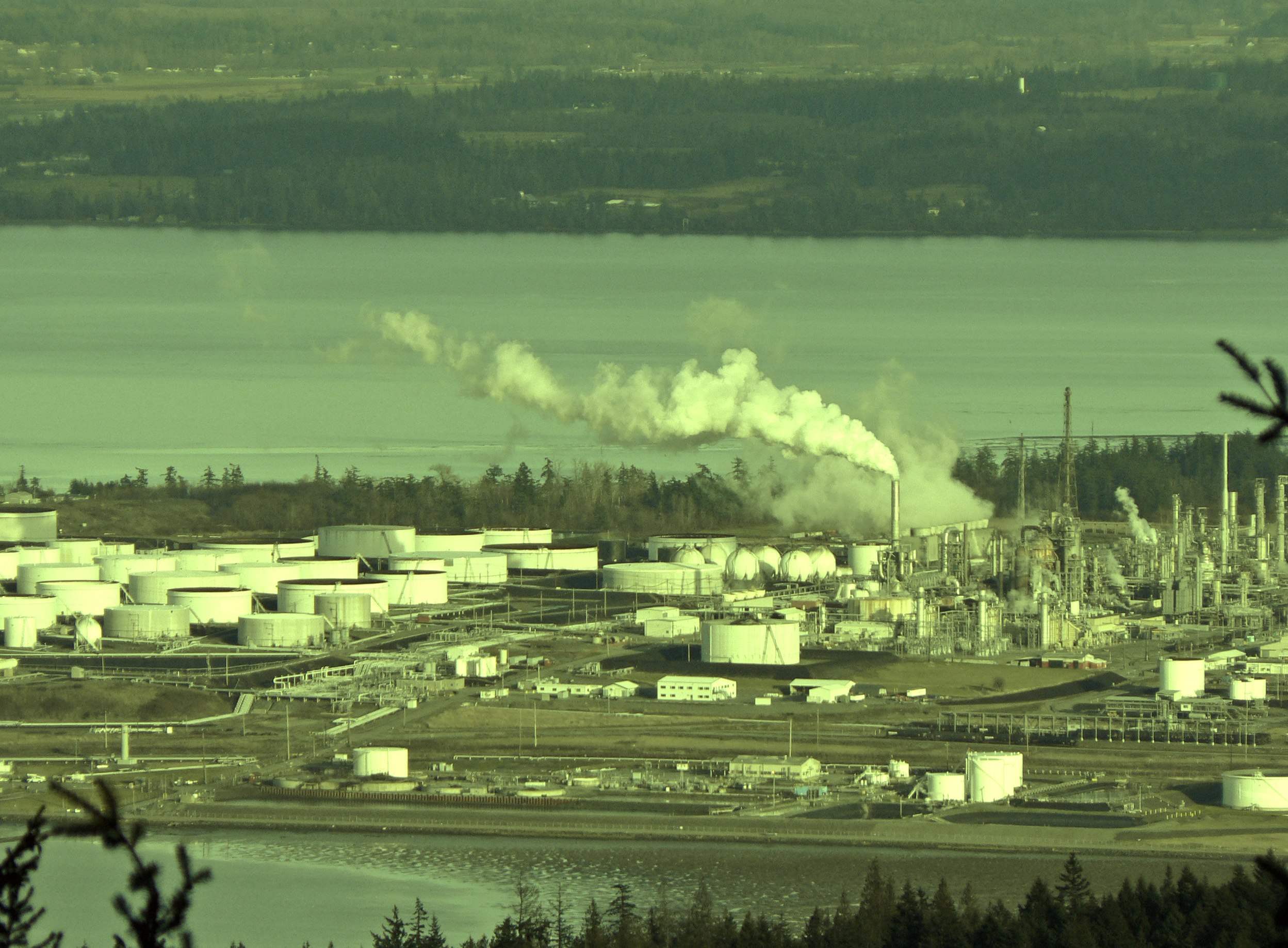
The UAE announced it will leave OPEC effective May 1, ending nearly six decades of membership. Iran's war, Russian backing for Tehran, and long-running quota frustration drove the exit.
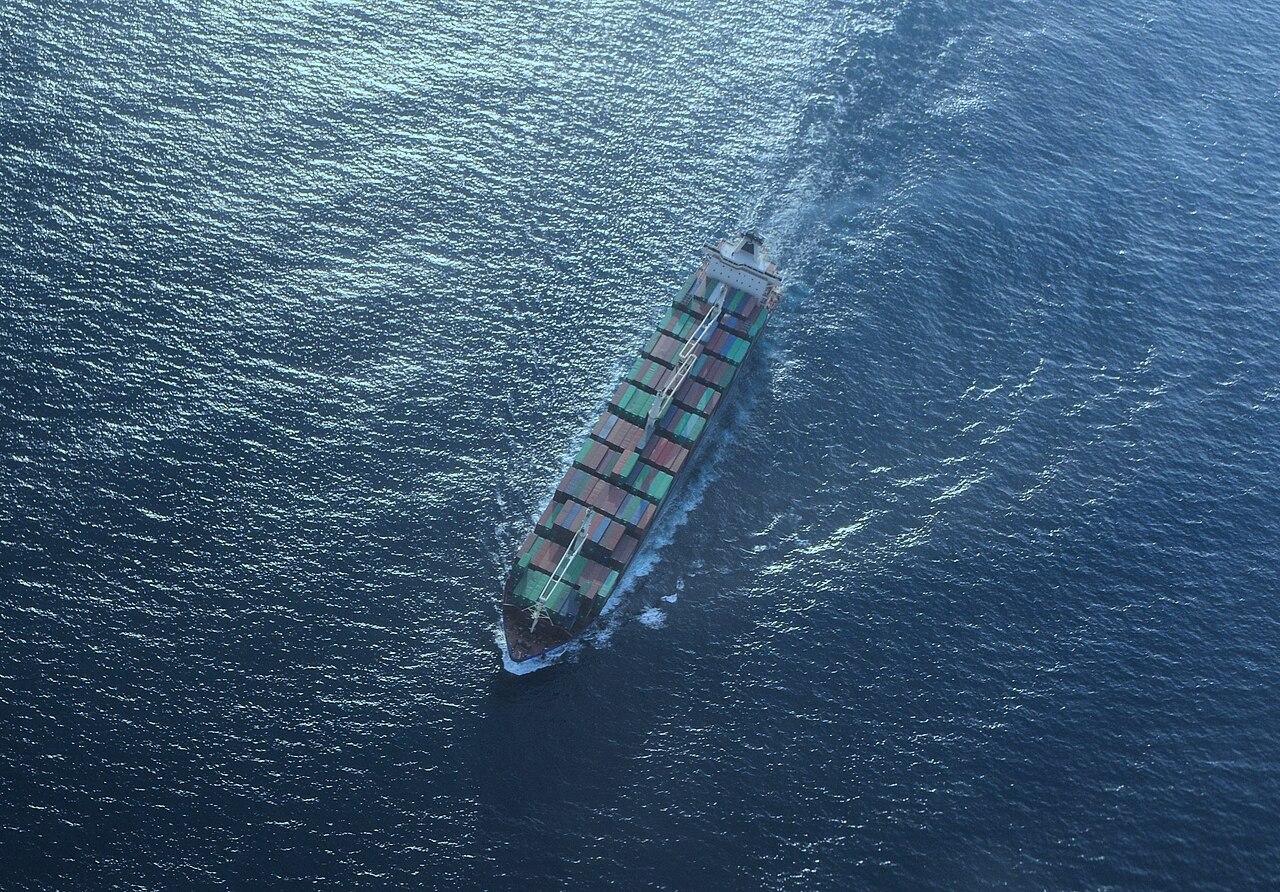
Three ship-tracking services detected ADNOC's Mubaraz off India's west coast Tuesday, suggesting a Hormuz transit. No official confirmation. Analysts are cautious.
Iran proposed reopening Hormuz in exchange for lifting the US naval blockade, with nuclear talks deferred. Trump is unlikely to accept. Brent rose to $112.40.
After the Pakistan talks failed, Araghchi met Putin in St. Petersburg. Putin pledged support. Brent rose to $107.97. Trump said Iran can just call.
Araghchi left Islamabad before US envoys arrived. Trump cancelled Witkoff and Kushner's flight. The one active diplomatic track is gone, and the 3-to-5-day ultimatum expires today.
Trump ordered the US Navy to shoot Iranian mine-laying boats and tripled minesweeper operations. Brent hit $106.80. Even a diplomatic deal now has a physical delay baked in.
Iran seized two container ships and fired on a third. The US seized another tanker. Brent hit $103. And for the first time, a credible diplomatic framework for breaking the deadlock appeared publicly.
Trump extended the ceasefire hours before it expired but kept the naval blockade in place. Brent briefly hit $100 before pulling back. No talks are scheduled. Nothing is resolved.
The US Navy fired into the engine room of the Iranian container ship Touska and Marines boarded her. Iran called it piracy, walked out of talks, and vowed retaliation. Brent is near $99.
Three days after declaring the strait open, Iran fired on a tanker and shut Hormuz again. WTI bounced from $83 to $93. Talks resume in Islamabad tomorrow with 48 hours left on the ceasefire.
WTI hit $95 on a massive inventory draw, then crashed to $83 after Iran declared the Strait of Hormuz completely open. The ceasefire expires in five days.
Trump called the Iran war "very close to over." Oil fell to $92. But the ceasefire expires in five days and the US has not formally agreed to extend it.
US warships are blockading Iranian ports while diplomats return to Islamabad. The market cannot price both outcomes at once, and that tension shows in the price.
Attacks on Saudi oil facilities and the East-West pipeline cut 600,000 bpd of production capacity and struck the kingdom's main bypass around a closed Strait of Hormuz.
WTI has stabilized around $95 after the biggest one-day crash since 1991. Here is what the next two weeks will determine.
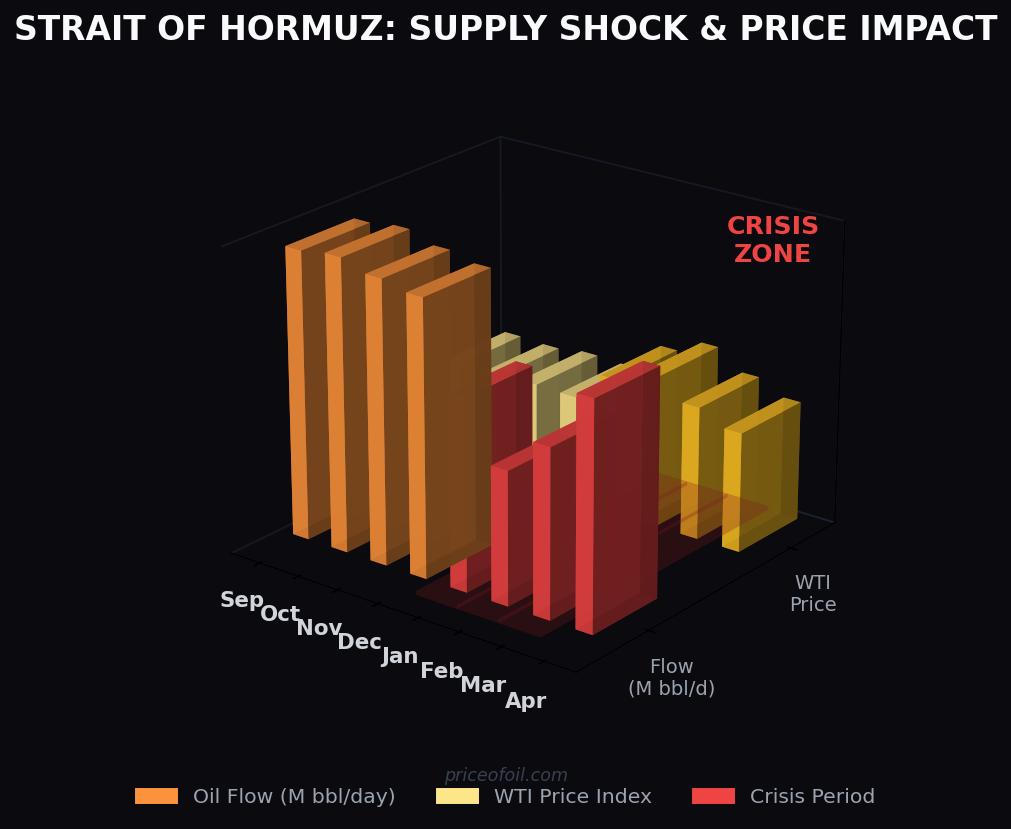
A last-minute US-Iran ceasefire sent WTI plunging 18% to $92, the sharpest one-day oil crash since 1991, outside of COVID. But the Strait of Hormuz is not fully open yet.
Iran turned down a 45-day ceasefire framework hours before Trump's Tuesday 8 p.m. deadline, leaving oil markets paralyzed between a deal and escalation.
WTI crude briefly topped $114 and flipped above Brent in a historic inversion, while OPEC+ made a symbolic output hike and warned war damage will take years to repair.
WTI surged 13% after Trump's April 1 address offered no exit plan for the Iran war, with U.S. gasoline crossing $4/gallon and the OPEC+ meeting just three days away.
WTI closed above $100 for the first time since 2022 as Trump threatened to destroy an Iranian oil facility, with Brent on track for its biggest monthly gain on record.
WTI touched $100 and Brent hit $112 on Friday as Iran rejected direct U.S. negotiations, with Trump's April 6 deadline now the next flashpoint for energy markets.
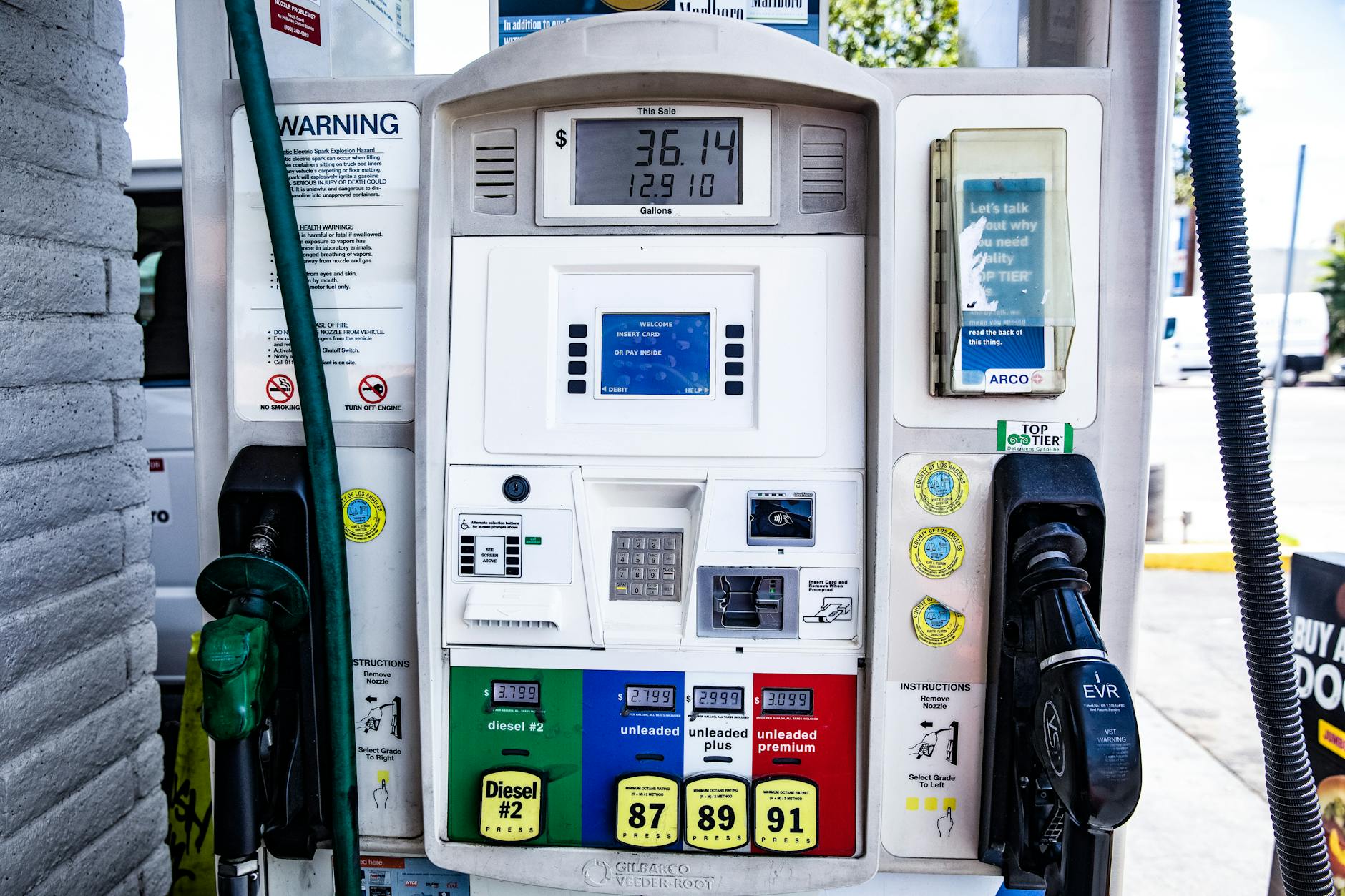
U.S. pump prices are caught between a Hormuz-driven supply crunch and tariff-weakened demand forecasts. What drivers should expect this spring.
OPEC+ faces its most consequential meeting in years as falling demand forecasts, the Hormuz crisis, and trade war uncertainty all land at once.
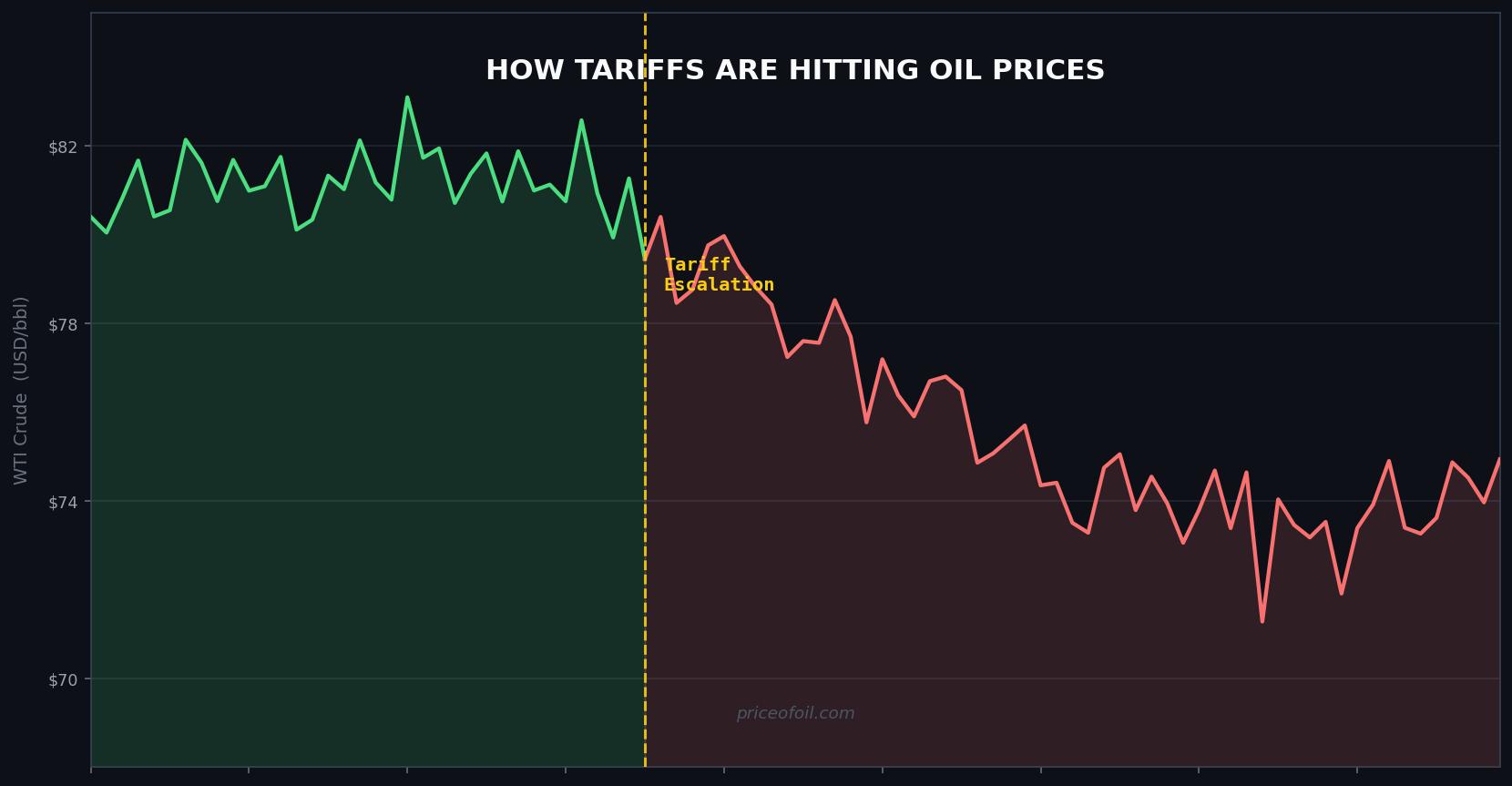
Escalating U.S. tariffs are rippling through global energy markets in 2026, pressuring oil demand forecasts and adding new uncertainty for crude traders.
Hormuz carries a fifth of the world's seaborne oil. The 2026 crisis ran from a $126 spike to a truce, back to war, past $100, and into a pause that broke.

Every spring, refineries switch blends, demand picks up, and pump prices follow. Here's the seasonal pattern that plays out like clockwork, until it doesn't.
An updated WTI outlook after the July truce collapsed and crude climbed back above $80. Where shale, spare capacity, and the Kharg tail risk point for 2026.