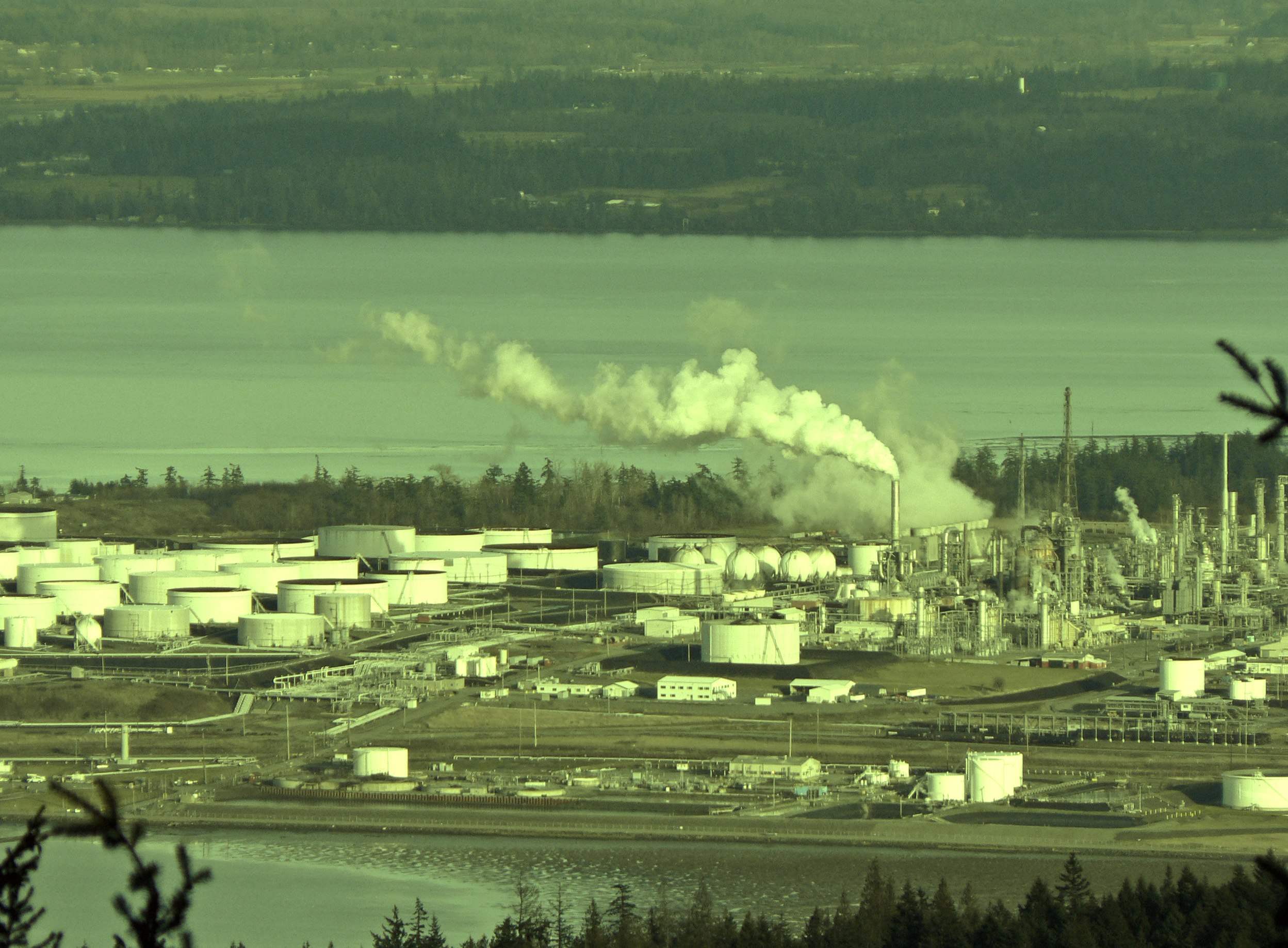
The United Arab Emirates announced Tuesday it will withdraw from OPEC effective May 1, ending a membership that dates to 1967. The country has been part of the cartel for nearly its entire existence as a nation.
The Hormuz crisis was the proximate cause. The friction beneath it has been building for years.
Why Now
The UAE gave three reasons, each reinforcing the others.
First, quota constraints. OPEC+ has capped UAE production at roughly 3.2 million barrels per day. The UAE believes it can produce substantially more. Every barrel it is not allowed to pump under the quota is revenue foregone. During a global supply crisis driven by a war that has specifically targeted UAE infrastructure, those foregone barrels feel particularly costly.
Second, the war itself. Iran has attacked UAE territory more than any other country since the conflict began. The UAE entered OPEC as a neutral producer with shared interests among Arab exporters. It does not see itself as aligned with Iran's interests. Yet OPEC+ membership places it at the same table as Russia, which has publicly backed Iran throughout the conflict.
Third, Russia. Moscow is a founding OPEC+ partner and has been a steadfast supporter of Tehran. The UAE sees no strategic reason to cooperate within an alliance that benefits a country actively backing its attacker. The question Abu Dhabi asked itself, according to Washington Post sources, was why it would participate in OPEC+ production discipline that supports Russian oil revenues when Russia is arming and enabling Iran.
What Changes for Supply
Very little in the short term. The UAE's primary export route bypassing the Strait of Hormuz is the Habshan-Fujairah pipeline, which runs to the Gulf of Oman at a capacity of roughly 1.5 million barrels per day. That pipeline is already running near full capacity. Leaving OPEC removes the production quota ceiling. It does not create new export infrastructure.
In the medium term, the UAE could invest in expanding Fujairah capacity and push production toward its full potential. That is a years-long process, not a weeks-long one.
The immediate market impact is symbolic more than physical. OPEC+ has lost a significant member at a moment when cartel cohesion was already under pressure.
What It Means for OPEC+
The UAE was not a passive member. It has been OPEC+'s most vocal internal critic of production discipline for the past three years. Its exit removes a dissenting voice but also removes a substantial producer whose compliance helped make OPEC+ quotas meaningful.
Saudi Arabia and the UAE have been at odds beyond oil. Competing economic visions, competing regional influence, and differing responses to the Iran war have all widened the gap. The UAE's OPEC exit formalizes an estrangement that has been visible for years.
Russia loses a cartel partner that was already uncomfortable with Moscow's Iran alignment. Saudi Arabia loses a major Arab producer from the group it anchors. Neither loss is immediately catastrophic for OPEC+, but both matter.
Where Prices Go
Brent held near $111 on Wednesday. The UAE exit is not a bullish supply signal, because the UAE cannot immediately increase exports. It is a bearish OPEC+ cohesion signal, because it suggests the cartel's ability to coordinate production cuts in a post-crisis world will be weaker.
The dominant driver of prices remains the Hormuz blockade, not quota mechanics. Until that resolves, OPEC+ structure is secondary. What the UAE's exit does is begin to sketch what the post-crisis oil architecture might look like: a smaller, less cohesive cartel, and a UAE that operates as an independent producer aligned with the US and Europe rather than with Russia and OPEC.
This article is for informational purposes only and does not constitute financial or investment advice. Oil market conditions can change rapidly. Consult a qualified financial professional before making investment decisions.
Cover photo: The Strait of Hormuz as seen from the International Space Station, 2011. NASA/ISS, public domain.