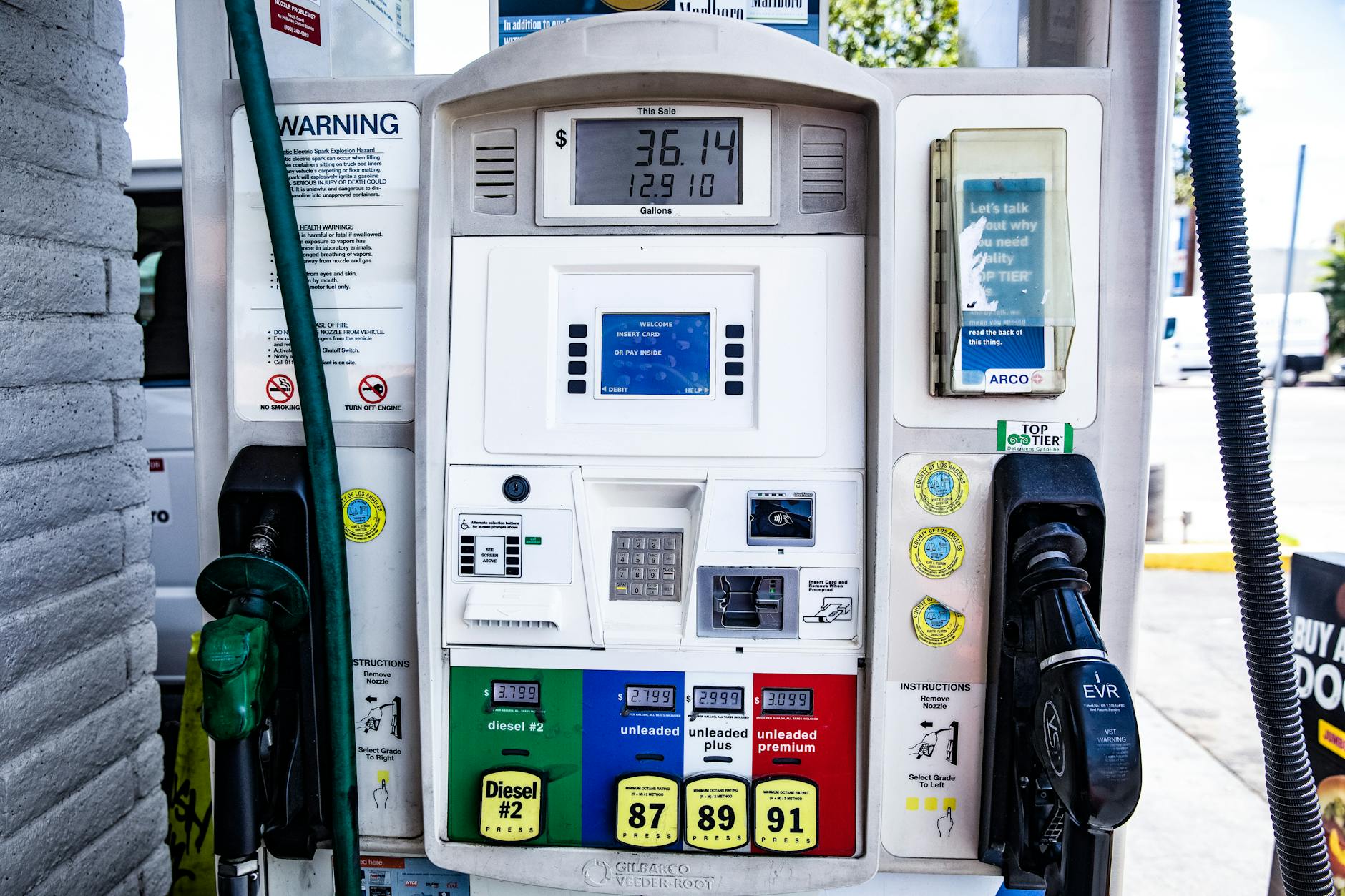
Gasoline prices at the pump are sending mixed signals this spring. Crude oil supply has tightened sharply since the Strait of Hormuz disruption began cutting into Persian Gulf exports. At the same time, the tariff war is eroding the demand picture fast enough that analysts are slashing their consumption forecasts. The two forces are fighting each other in real time, and consumers are caught in the middle.
As of late March 2026, the national average for regular unleaded sits near $3.65 per gallon, roughly 20 cents above the same week last year. That spread is smaller than many analysts expected given the scale of the supply disruption, a sign that demand destruction is doing real work to keep a lid on prices.
Why Pump Prices Haven't Spiked More
The math on the Hormuz situation suggested gasoline could be trading well above $4.00 by now. The reason it isn't comes down to three factors pulling in the opposite direction.
First, U.S. crude inventories came into this period above the five-year average. The EIA's weekly reports through late March have shown draws, but not the kind of emergency-level depletion that forces refiners to cut runs.
Second, domestic production has held near record highs. The Permian Basin is still pumping, and operators haven't cut rigs in response to the price environment: they locked in hedges at higher prices earlier in the year and are producing into them.
Third, gasoline demand itself has softened. The trade war has hit consumer confidence. Freight volumes are down. Fleet operators are trimming discretionary miles. The AAA surveys showing weaker spring driving intentions are consistent with what the fuel terminal data is showing week-to-week.
The Refinery Margin Picture
Crack spreads, the margin refiners earn turning a barrel of crude into finished products, compressed in early March but have since recovered to around $22 per barrel for the Gulf Coast 3-2-1 crack. That's a healthy margin, not an emergency one.
Refiners are running their units hard, which is keeping gasoline supply adequate despite the crude tightness. The spring maintenance season is largely behind the major Gulf Coast units, which means more capacity is online heading into the peak driving months.
If crude stays in the mid-$70s range, refiners can produce gasoline profitably and keep retail prices from breaking sharply higher. The risk scenario is crude moving above $85. At that level, crack spreads compress, refiners get cautious, and pump prices follow with roughly a two-week lag.
What to Watch Through April
The OPEC+ meeting in early April is the next major price catalyst. The cartel is weighing whether to bring barrels back into a market that is already worried about demand. If they hold output steady or cut further, crude could push above $80 and take gasoline with it. If they signal a production increase to offset the Hormuz shortfall, the supply-demand math improves quickly.
The other variable is the tariff negotiation calendar. Any credible sign of trade talks reducing the scope of current tariffs would lift demand forecasts within days. Oil markets are forward-looking, and traders would price in better demand before any actual consumption recovery showed up in the weekly data.
For drivers planning summer travel, the most likely range for regular unleaded through Memorial Day is $3.50 to $4.10 per gallon. The lower end assumes the OPEC+ decision disappoints and demand weakness deepens. The upper end requires a Hormuz escalation or a supply-side surprise that the current inventory buffer can't absorb.
The Regional Spread
California is already above $4.60 for regular, driven by the state's reformulated fuel requirements and limited import options from disrupted Pacific Basin supply routes. The Midwest is the softest market at around $3.30, supported by proximity to Cushing storage and strong refinery runs in the region.
The Southeast and Mid-Atlantic sit close to the national average. Florida, historically sensitive to hurricane-related supply disruptions, hasn't seen a premium emerge yet: Gulf of Mexico production has been unaffected by current geopolitical events.
Gasoline price forecasts involve significant uncertainty. Retail prices depend on crude oil markets, refinery operations, regional supply logistics, and taxes. This article is for informational purposes and does not constitute financial or investment advice.