Trump called Iran's formal response to the US 14-point framework "totally unacceptable" on Monday, sending Brent crude above $104 for the first time since the brief spike following last week's Hormuz exchange of fire. Iran responded that it would "never bow." The fourth round of US-Iran talks in Oman ended the same day described by both sides as "difficult but constructive," with no deal and no announced date for a fifth round.
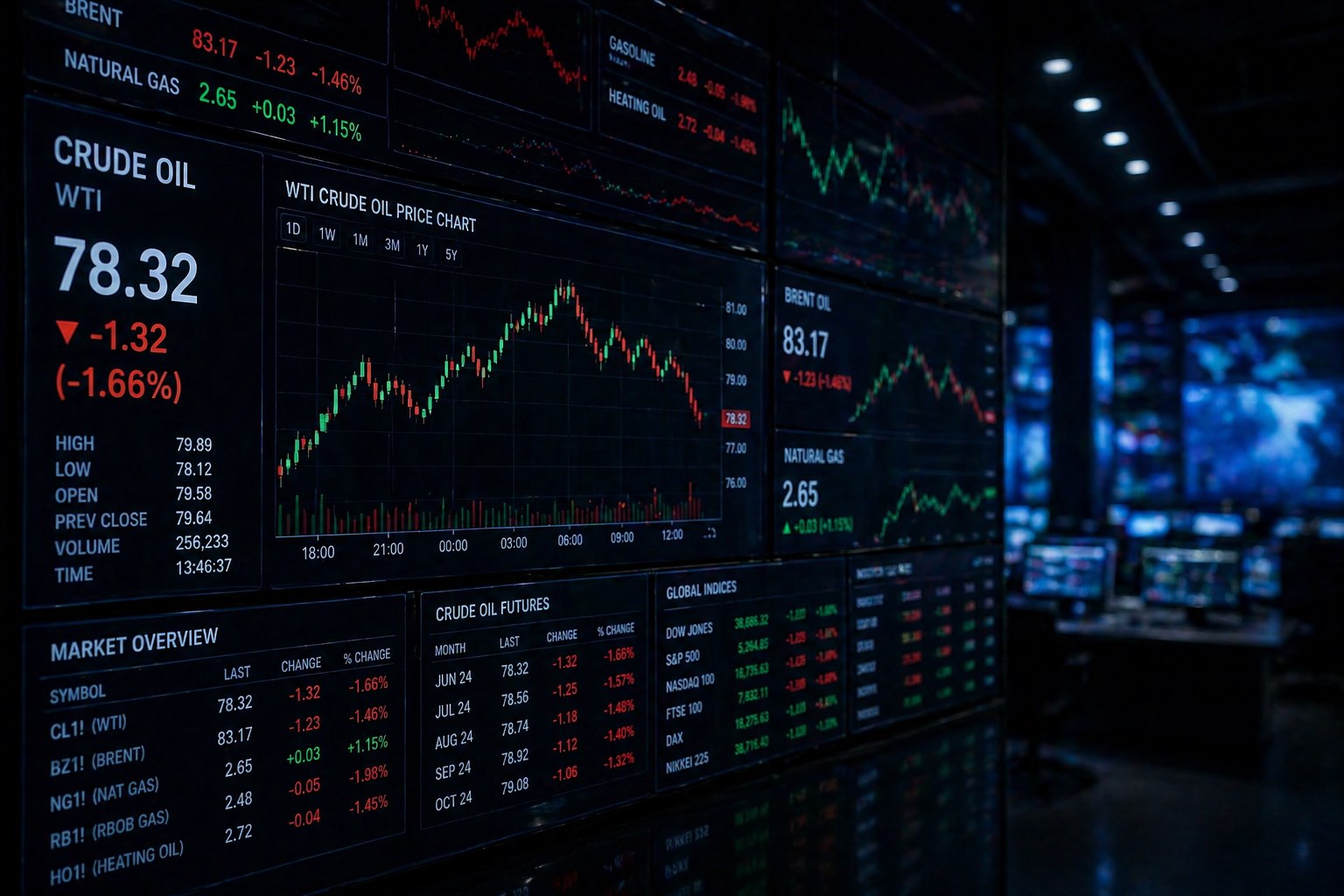
Brent rose 3.2% to $104.49. WTI gained 3.1% to $95.42. Both benchmarks had retreated through last week on optimism that Iran's formal written response would provide a basis for negotiation. It did not.
What Iran Offered
Iran's counteroffer accepted a five-year moratorium on uranium enrichment above civilian levels, offered to dilute some highly enriched stockpiles and transfer the remainder to a neutral third country, and called for a complete lifting of sanctions, compensation for war damage, and US recognition of Iranian sovereignty over the Strait of Hormuz. The proposal also demanded the US end its naval blockade and guarantee no further strikes on Iranian territory.
The enrichment moratorium was Iran's main concession. Tehran had previously described any limit on enrichment as a red line. Five years was the number it put on the table.
The Gap That Remains
The US position, stated again Monday by envoy Steve Witkoff, is that Iran cannot enrich uranium at all. "An enrichment program can never exist in the state of Iran ever again," Witkoff said. "No enrichment. That means dismantlement" of Natanz, Fordow, and Isfahan.
Washington is seeking a 20-year moratorium at minimum. Iran offered five. Three sources familiar with the talks told reporters a landing zone of 12 to 15 years is theoretically achievable, but only if the US drops dismantlement as a condition. Neither government has moved on that publicly.
Netanyahu added pressure from a different direction. In a CBS interview aired Sunday, he said the war with Iran is "not over" and that Iran's enriched uranium stockpiles "have to be taken out." The statement landed ahead of Monday's Oman session and contributed to the early price surge.
Talks Continue Anyway
The Oman session lasted more than three hours. Iranian Foreign Minister Abbas Araghchi and Witkoff led their respective delegations. Both governments issued statements afterward calling the talks serious and confirming they intend to meet again, though no date or location was set.
The pattern from rounds one through three has been the same: talks end without agreement, both sides describe them as productive, markets oscillate between optimism and disappointment. Round four is consistent with that pattern.
Trump is traveling to the Middle East this week. The trip had been positioned as a potential backdrop for a breakthrough. After Monday's exchange, the administration's messaging shifted toward patience.
What Keeps Prices From Going Lower
Brent remains above $100 for a reason that has nothing to do with diplomacy. The Strait of Hormuz handled 191 vessel crossings in April, down more than 90% from a normal month. The structural supply shortage sets a floor. Deal optimism pushes prices down toward the high $90s. The absence of a deal pulls them back above $100. Monday's rejection moved them above $104.
The World Bank forecast in late April that energy prices would rise 24% in 2026, with Brent averaging $86 for the full year. That average is already being compressed by the reality of prices bouncing between $97 and $111 since the ceasefire.
The next catalyst is whether a fifth round gets scheduled and what, if anything, leaks about the enrichment numbers. Until those lines move, the trading range holds.
This article is for informational purposes only and does not constitute financial or investment advice. Oil market conditions can change rapidly. Consult a qualified financial professional before making investment decisions.