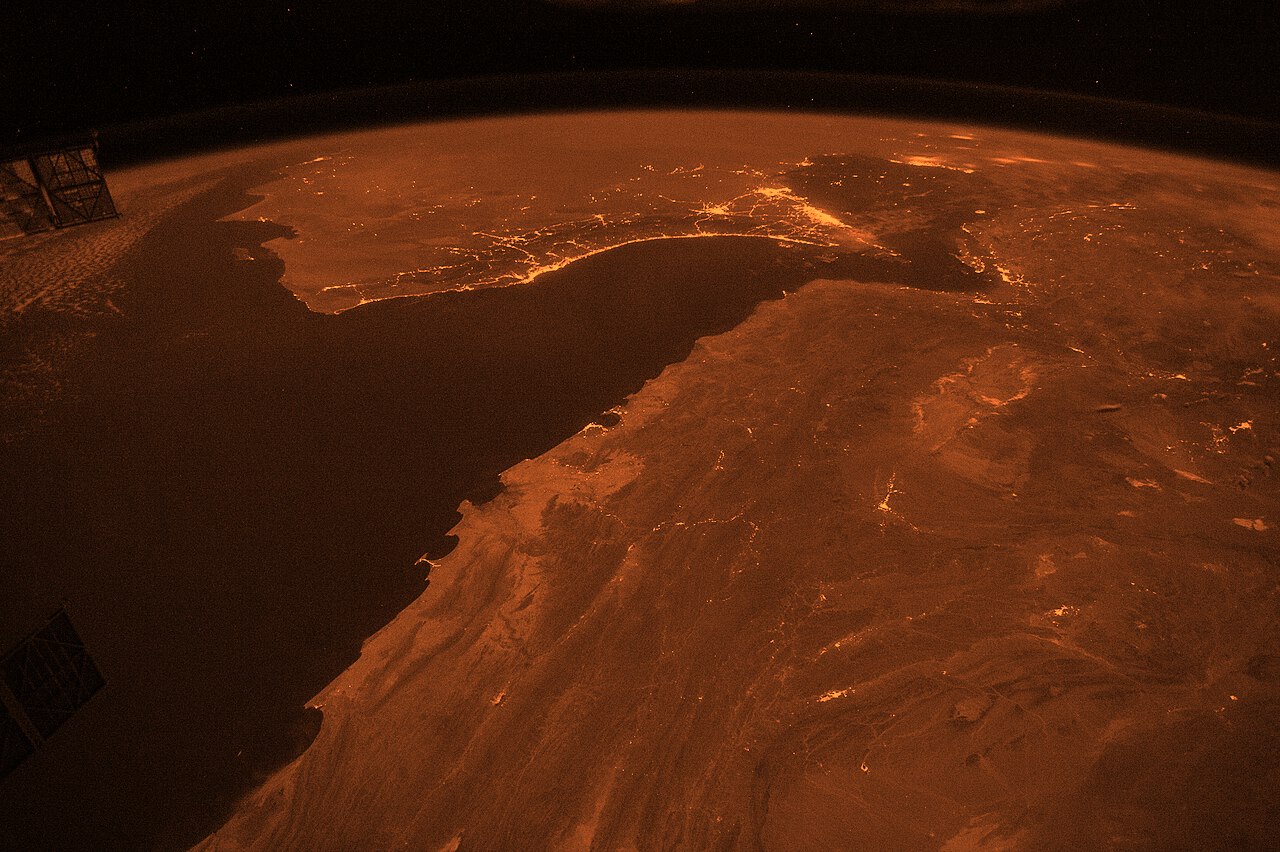
Iranian missiles, drones, and fast-attack boats targeted three US Navy destroyers transiting the Strait of Hormuz on Thursday in the most significant direct military confrontation since the April 8 ceasefire. US Central Command said it carried out self-defense strikes on Iranian positions in response. No US ships were damaged. Iranian forces took losses.
Brent crude reversed three days of steep declines and climbed back above $100, trading near $101.20. WTI rose to approximately $95. Both benchmarks had fallen more than 13% since Tuesday before the exchange of fire.
President Trump, in a phone call with ABC News, said the incident was "just a love tap" and insisted the ceasefire remained in effect.
What Happened in the Strait
US Central Command reported that the USS Truxtun, USS Rafael Peralta, and USS Mason were targeted as they transited the strait toward the Gulf of Oman. The attack involved a combination of ballistic missiles, drones, and fast-attack boat swarms. US forces intercepted the missiles and drones and sank the fast-attack boats. The destroyers sustained no significant damage.
US forces then struck what CENTCOM described as Iranian military positions involved in the attack. Iran's Revolutionary Guard Corps confirmed it had attacked the US vessels, saying the ships were operating in a zone Iran had previously declared off-limits to foreign military transit.
Both governments then accused the other of initiating hostilities. The US called the attack unprovoked. Iran called the US transit a ceasefire violation.
The Ceasefire Is Holding and Not Holding
The April 8 ceasefire stopped US and Israeli airstrikes on Iranian territory. It did not stop Iranian attacks on shipping. It did not stop US naval operations in the strait. It did not define what constitutes a breach.
Since April 8, Iran has attacked US forces more than 10 times by the Pentagon's own count, struck the Fujairah bypass terminal, fired on vessels in the strait during Project Freedom, and now directly targeted three destroyers. Each incident has been assessed as falling below the threshold for restarting major combat operations.
Thursday's exchange is larger in scale than any previous post-ceasefire incident. Iran's simultaneous use of ballistic missiles, drones, and fast-attack boats against multiple warships is a different category of attack than warning shots or patrol boat harassment. Whether it crosses the administration's undefined threshold remains, as always, a political determination made after the fact.
Iran is making the same claim in reverse: that US destroyers transiting waters it has declared an operational control zone constitutes a ceasefire breach.
What This Means for the Deal
The exchange of fire came as Iran was expected to present its formal response to the US 14-point framework proposal to Pakistani mediators on Friday. The clash has not officially paused those talks. Trump's insistence that the ceasefire holds is a signal that the administration wants the diplomatic track to continue.
The framework, if signed, would lift restrictions on Hormuz transit, release frozen Iranian assets, begin a sanctions relief pathway, and defer nuclear enrichment limits to later talks. The timeline Iran proposed is 30 days to finalize the full agreement.
Thursday's military confrontation tests whether both governments can compartmentalize the shooting from the negotiating. The historical record on that is not encouraging. But neither government has officially declared the talks over.
The Price Range the Market Is Now In
Brent above $100 after three days below $100 illustrates the trading range the market is discovering. Deal optimism drives the price toward the high $90s. Military escalation drives it back above $100. The structural supply disruption, with Hormuz at roughly 5% of pre-crisis traffic, keeps it from falling much further on deal news alone.
The week has covered roughly $14 of Brent movement: from $111 Monday to $97 Wednesday to $101 Friday. That range, $97 to $111, may represent the current market's view of where prices settle depending on whether the next headline is diplomatic or military.
This article is for informational purposes only and does not constitute financial or investment advice. Oil market conditions can change rapidly. Consult a qualified financial professional before making investment decisions.