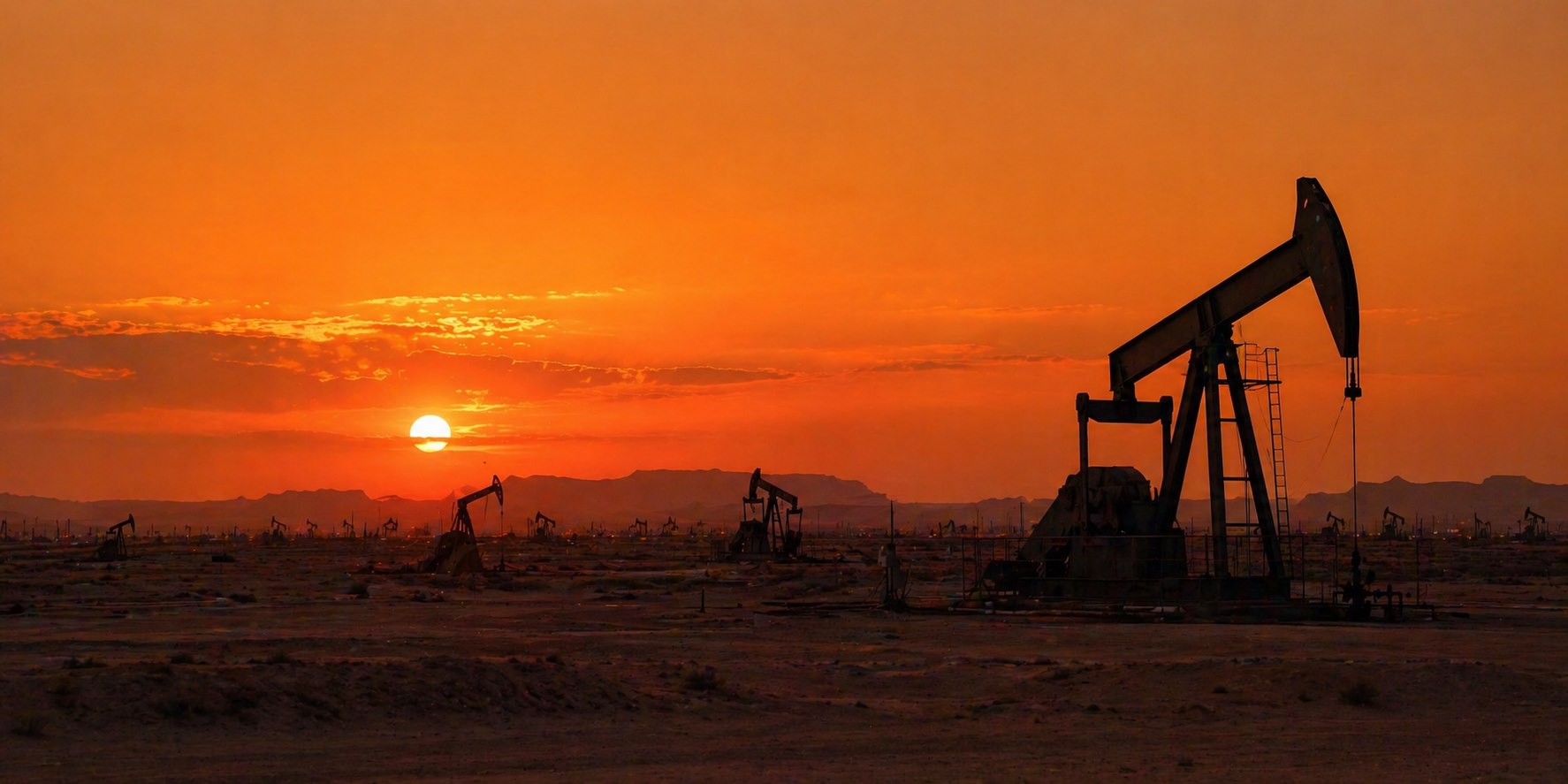
WTI crude oil reached $100.04 per barrel in Friday's session before settling at $99.64, up 5.46% on the day. Brent closed at $112.57, a gain of 4.22%. Both benchmarks are at their highest levels since the summer of 2022, when Russia's invasion of Ukraine last sent markets into comparable territory.
The immediate trigger was Iran's rejection of direct negotiations with the United States. President Trump had signaled openness to talks this week, suggesting a diplomatic path to reopening the Strait of Hormuz. Tehran's response was categorical: no direct talks with Washington.
The Toll Booth No One Expected
What started as a threatened closure of the Strait has evolved into something more economically complex. Iran's Islamic Revolutionary Guard Corps is now operating what analysts are calling a selective transit system: vessels affiliated with China, Russia, and aligned states may pass after paying approximately $2 million per ship. Western-flagged or Western-affiliated tankers face seizure or attack.
The arrangement is less a blockade in the traditional military sense and more a parallel shipping regime, one that diverts global oil flows along political lines rather than stopping them entirely. China and Russia gain cheaper access to Gulf crude while Western buyers face both a physical supply squeeze and the cost of extended Cape of Good Hope routing.
Since the IRGC imposed restrictions on March 2, approximately 17.8 million barrels per day of normal Hormuz flows have been disrupted. Iran had carried out 21 confirmed attacks on merchant vessels by mid-March.
Trump's April 6 Deadline
The Trump administration extended its pause on strikes against Iranian energy infrastructure to April 6. The original ultimatum had demanded Iran relinquish control of the strait in exchange for a halt to U.S. and Israeli airstrikes on military targets.
The 15-point U.S. proposal, delivered through third-party intermediaries, included provisions for international oversight of transit rights through the strait. Iran's foreign ministry rejected it publicly as a condition for any direct engagement.
What happens after April 6 is the central question in oil markets right now. A resumption of infrastructure strikes could deepen the supply disruption. A diplomatic breakthrough could unwind the $14 to $18 per barrel risk premium Goldman Sachs estimates is currently baked into prices. Neither outcome looks certain.
Ukraine Peace Talks Take a Back Seat
U.S.-brokered ceasefire negotiations between Russia and Ukraine have stalled. The talks, mediated by envoy Steve Witkoff, ended a recent Geneva session ahead of schedule. Both sides continue to claim front-line progress while Russia maintains near-daily attacks on civilian targets.
The diplomatic bandwidth consumed by the Middle East conflict has visibly reduced Washington's capacity to manage the Ukraine file simultaneously. European coalition forces have moved forward with planning for security guarantees and potential military hubs in Ukraine, but any formal ceasefire framework remains on hold.
For oil markets, the Ukraine stalemate matters mostly for what it is not: it is not a resolution that would allow Russian supply to fully re-enter Western markets. That supply overhang, already reshaped by three years of sanctions into Chinese and Indian channels, is not coming back regardless of how the war ends.
The Tariff Overlay
Oil prices are being shaped by two conflicting forces. The Hormuz crisis is a supply shock pushing prices up. Trump's tariff campaign is a demand shock pressing them down.
The administration's global tariff measures, including a 10% baseline on most trading partners and uncapped Section 232 tariffs on steel and aluminum, are slowing industrial activity in tariff-exposed economies. Analysts had been forecasting WTI in the $65 to $72 range under a sustained tariff scenario before the Hormuz closure changed the calculus.
The current market price reflects those two forces in an uneasy balance. The supply shock is winning for now.
Where Prices Could Go
Goldman Sachs has said Brent is likely to exceed its 2008 all-time high if supply disruptions persist. That record stands at around $147 per barrel.
The base case among major bank commodity desks is that some diplomatic channel opens before April 6, restraining further escalation. But base cases have been wrong before in this conflict. The IEA's 400 million barrel strategic reserve release, the largest coordinated drawdown in the agency's history, has provided only a partial buffer. Against a shortfall of nearly 10 million barrels per day, the math does not fully close.
For consumers, the pump price impact is already underway. The U.S. national average for gasoline has risen more than 7% since late February. California has crossed $5 per gallon. Diesel, which flows through freight and agriculture costs, has moved in parallel.
The next seven days, leading into the Trump administration's April 6 deadline, will be the most important window for oil markets since the crisis began.
Disclaimer: This analysis is for informational purposes only and does not constitute financial or investment advice. Oil markets are volatile and conditions can change rapidly. Nothing in this article should be construed as a recommendation to buy or sell any financial instrument.