Iran submitted a new proposal to Washington on Tuesday via Pakistani intermediaries. The offer: reopen the Strait of Hormuz and end active hostilities in exchange for the US lifting its naval blockade. Iran's nuclear program would be addressed in a separate, later negotiating phase.
Trump is unlikely to accept it.
Brent crude rose to $112.40 on Tuesday, up 3.85 percent from Monday's $107.97. WTI crossed $100 for the first time since the conflict began, trading at $101.30. Both benchmarks are now more than 65 percent above where they traded a year ago.
What Iran Is Offering
The proposal separates the immediate crisis from the underlying nuclear dispute. Iran wants the guns to stop first. It is not offering to suspend enrichment, dismantle centrifuges, or accept inspections as a condition of reopening the strait. Those conversations, Tehran says, can happen after hostilities end.
That sequencing is the problem. Trump has repeatedly said the "complete eradication" of Iran's nuclear program is non-negotiable. The White House confirmed his national security team is reviewing the proposal, but CNN sources described him as "unlikely to accept."
Iran's parliamentary speaker was direct: "They brag about the cards. Let's see."
The Gap Has Not Closed
The two positions remain structurally incompatible. Iran will not discuss nuclear terms while the blockade is in place. The US will not lift the blockade without nuclear commitments up front. Iran's latest proposal tries to create a middle path by separating the two tracks. The White House does not appear to see it that way.
UN Secretary-General Antonio Guterres warned Tuesday that the Hormuz closure risks a "global food emergency," extending the damage beyond oil to the strait's role in grain and fertilizer shipments. Qatar said the waterway "must not be used as a pressure card."
Neither statement changes the situation on the ground.
Russia's Position Hardens Further
After Monday's meetings with Putin and Lavrov in St. Petersburg, Foreign Minister Araghchi posted publicly about "the depth and strength of our strategic partnership" with Russia. Putin asked Araghchi to convey personal best wishes to Supreme Leader Khamenei, a signal that back-channel leadership communication is active at the highest level.
Araghchi separately confirmed Iran is receiving "military cooperation" from Russia and China, though no specifics were disclosed.
Russia's structural interest in a prolonged standoff has not changed. Brent at $112 benefits Moscow directly. The Kremlin has no incentive to push Iran toward a quick resolution.
Where Prices Go from Here
At $112.40, Brent has exceeded Goldman Sachs's $100-plus full-year average assumption. Their $120 Q3 upside scenario is now roughly 7 percent away from current levels.
The next concrete signal: whether the US formally responds to Iran's proposal or ignores it. Based on Tuesday's White House posture, silence looks more likely than engagement. If the proposal is rejected outright, $115 comes into view before any diplomatic path reopens.
This article is for informational purposes only and does not constitute financial or investment advice. Oil market conditions can change rapidly. Consult a qualified financial professional before making investment decisions.
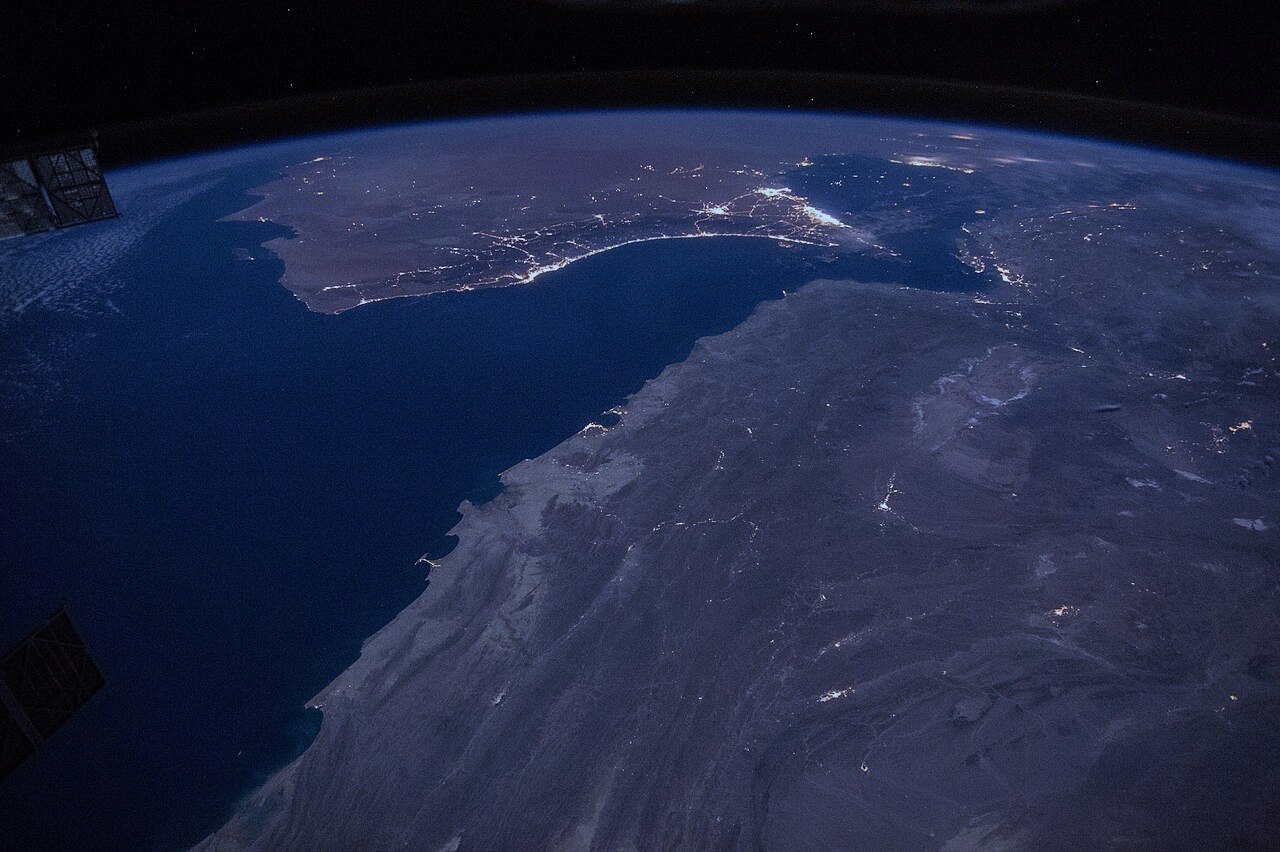
Cover photo: The Strait of Hormuz as seen from the International Space Station, 2011. NASA/ISS, public domain.