Does the Price of Oil Change What You Pay for an Oil Change?
Crude is a smaller part of an oil change bill than almost anyone expects. Where the money actually goes, and when crude does show up.
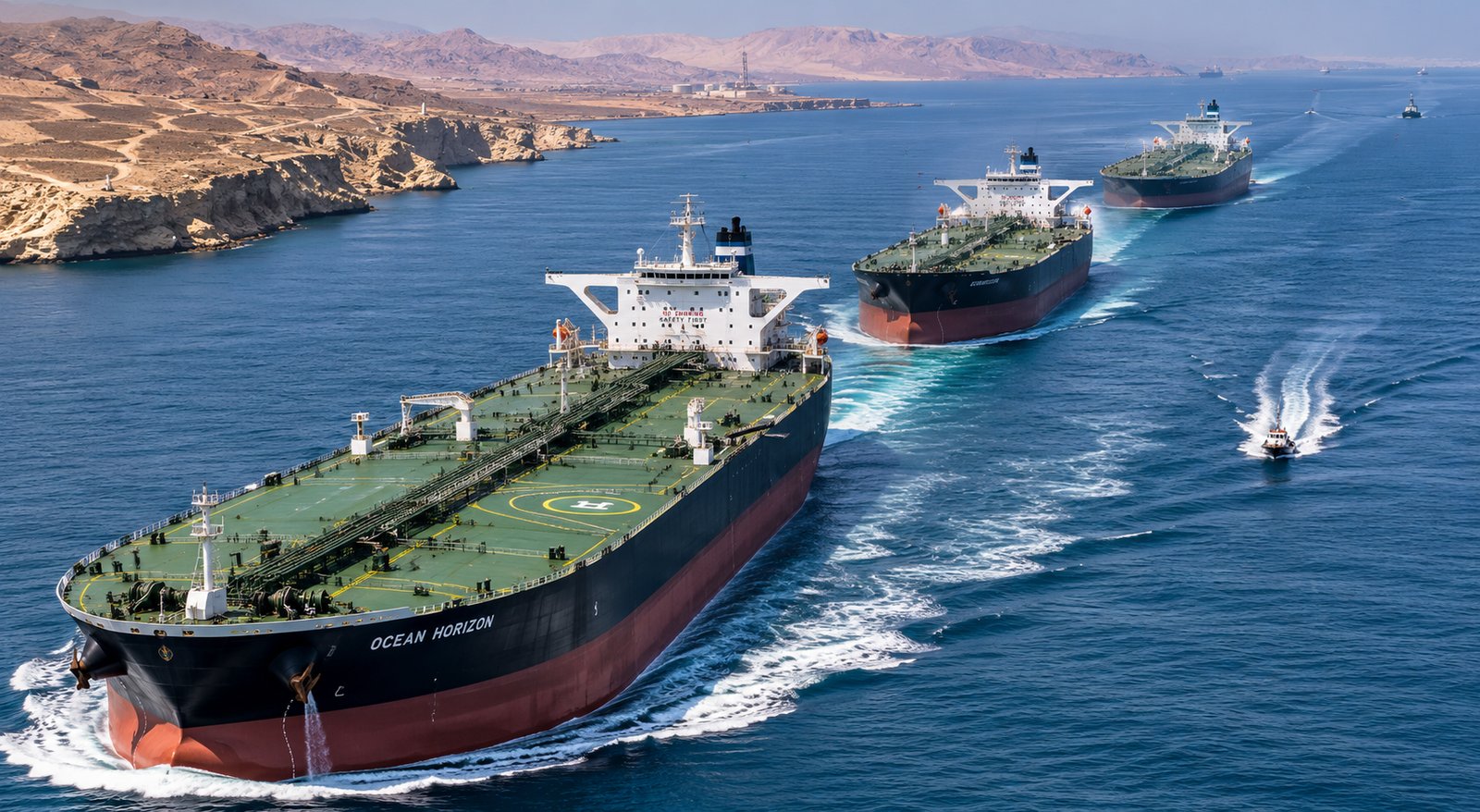
When a chokepoint like the Strait of Hormuz becomes dangerous, the first cost to jump is not the oil, it is the insurance on the ships that carry it. Here is how marine war-risk premiums work, why they spike, and how they feed through into the price of a barrel.
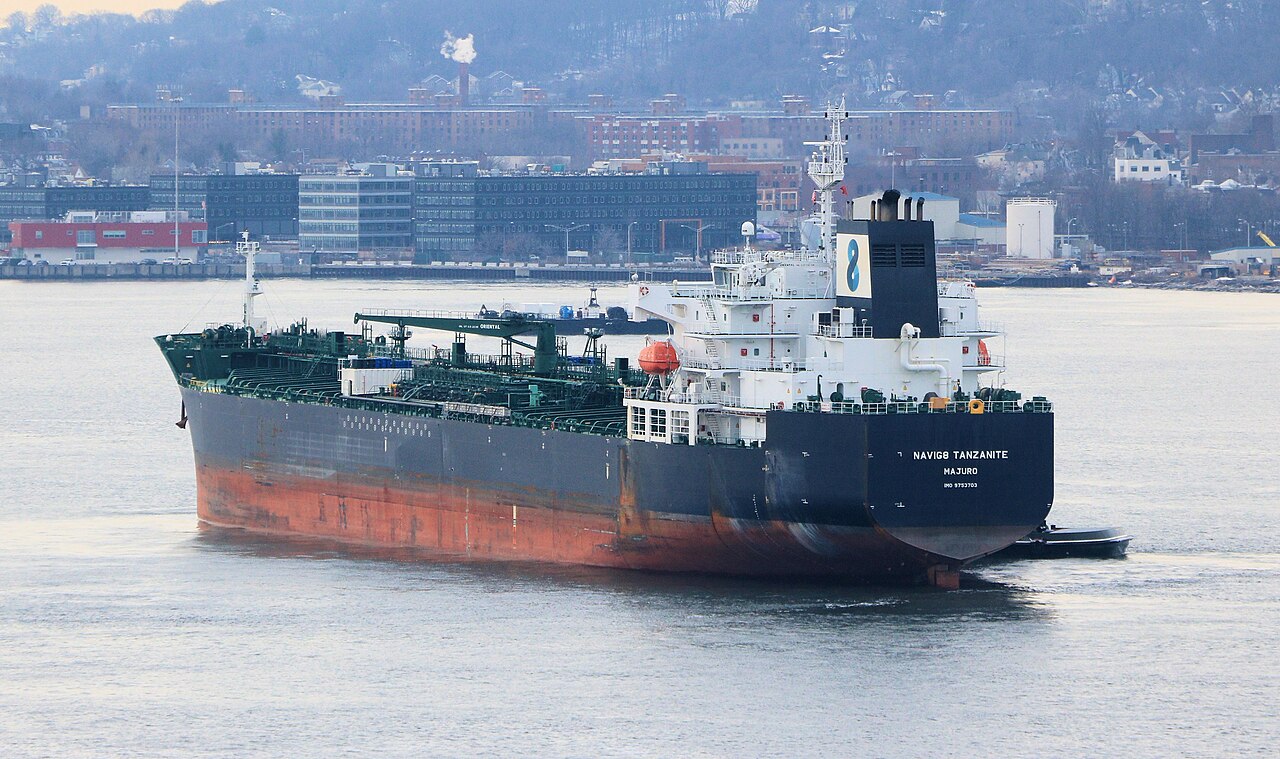
Roughly 90% of Iran's crude leaves the country through a single island terminal in the northern Persian Gulf. Here is what Kharg Island is, why a strike on it would be a supply shock rather than a transit scare, and why the market watches it above all else.
A geopolitical risk premium is the part of the oil price that reflects feared supply disruption, not actual lost barrels. Here is how it builds, why chokepoints amplify it, and why it collapses faster than it forms when a conflict ends.
The EIA raised Brent to $87 for 2026 and the IEA now sees supply falling. What the agencies and banks project for 2026-2027, and why they disagree.
A 50-year history of oil prices, from the 1973 OPEC embargo through the 2008 spike to $147, the 2020 negative-price COVID crash, and the 2026 Hormuz crisis. Inflation-adjusted comparisons and the pattern that explains why oil shocks keep happening.
A practical guide to the forces that push crude oil prices up and down. Demand cycles, OPEC+ decisions, the dollar, inventories, geopolitical risk, and how the same mechanisms work in both directions.
The US became a net petroleum exporter in 2019. Here's who's buying American crude, the top destinations, how the mix has shifted since Ukraine, and what the Hormuz crisis means for US export flows.
The oil forward curve shows what futures markets think oil will cost months or years from now. Here's how to read it, what it actually tells you, and what the current curve says about the Hormuz crisis.
The US Strategic Petroleum Reserve holds about 700 million barrels in Gulf Coast salt caverns. Here is how a release works, how long it takes to reach the market, and why it helps less against prolonged disruptions than brief ones.
Brent crude usually trades a few dollars above WTI, but the gap widens sharply in a Middle East crisis. Here is what drives the Brent-WTI spread, why it matters, and what it signals about global supply.
NYMEX is where WTI crude oil futures trade. Understanding what it is, how it works, and how it differs from ICE, where Brent trades, explains a lot about how the oil price you see on a screen gets set.
When you see an oil price quoted on a financial news site, you're almost always looking at the front-month futures contract. Here's what that means and why it matters.
The IEA publishes the monthly Oil Market Report that moves prices and sets the global supply narrative. Here's what it is, how it works, and why it's not the same as the EIA.
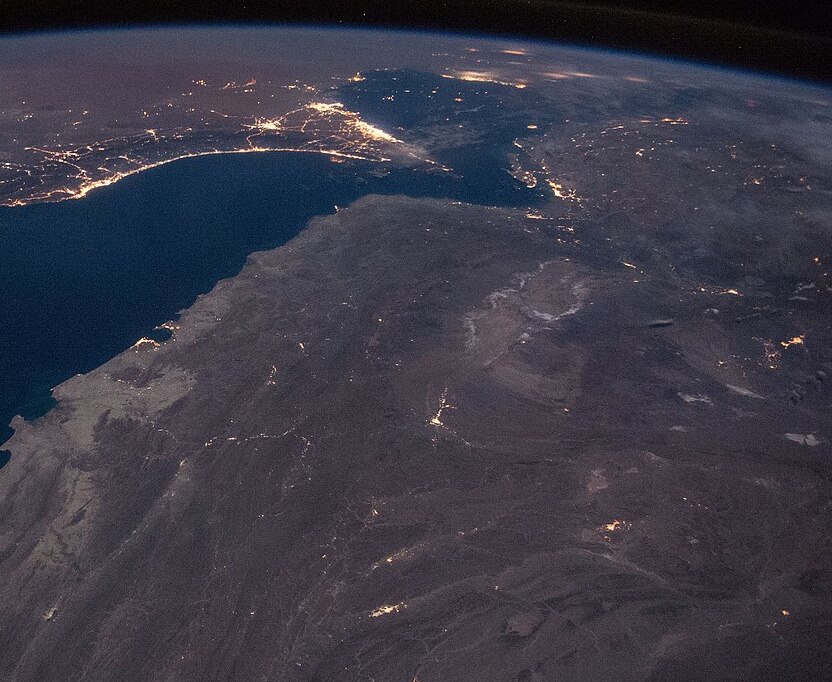
Twenty percent of the world's oil supply moves through a waterway 21 miles wide at its narrowest point. Here's what Hormuz is, why it matters, and what happens when it closes.
Natural gas and crude oil are both fossil fuels, but their prices often move independently. Here's why, and when the relationship actually matters.
Every Wednesday morning, the U.S. Energy Information Administration releases a report that moves oil prices more reliably than almost anything else. Here's how to read it.
OPEC+ is the most powerful production cartel in the world. Here's how it works, who's in it, why it matters, and where its limits are.
Oil prices don't move randomly, even when it feels that way. Here are the actual drivers, supply, demand, sentiment, and the variables that connect them.
Two benchmarks dominate global oil pricing. Here's why both exist, how they differ, and what the spread between them tells you about the market.
WTI. West Texas Intermediate, is the benchmark for U.S. oil pricing. Here's what it actually is, where it comes from, and why it matters.