Through much of the 2026 oil crisis, one name has decided the difference between a price scare and a price shock: Kharg Island. When analysts say the market has not yet priced the worst case, they mean that Kharg still stands. Here is why a small island in the northern Persian Gulf matters that much.
What Kharg Is
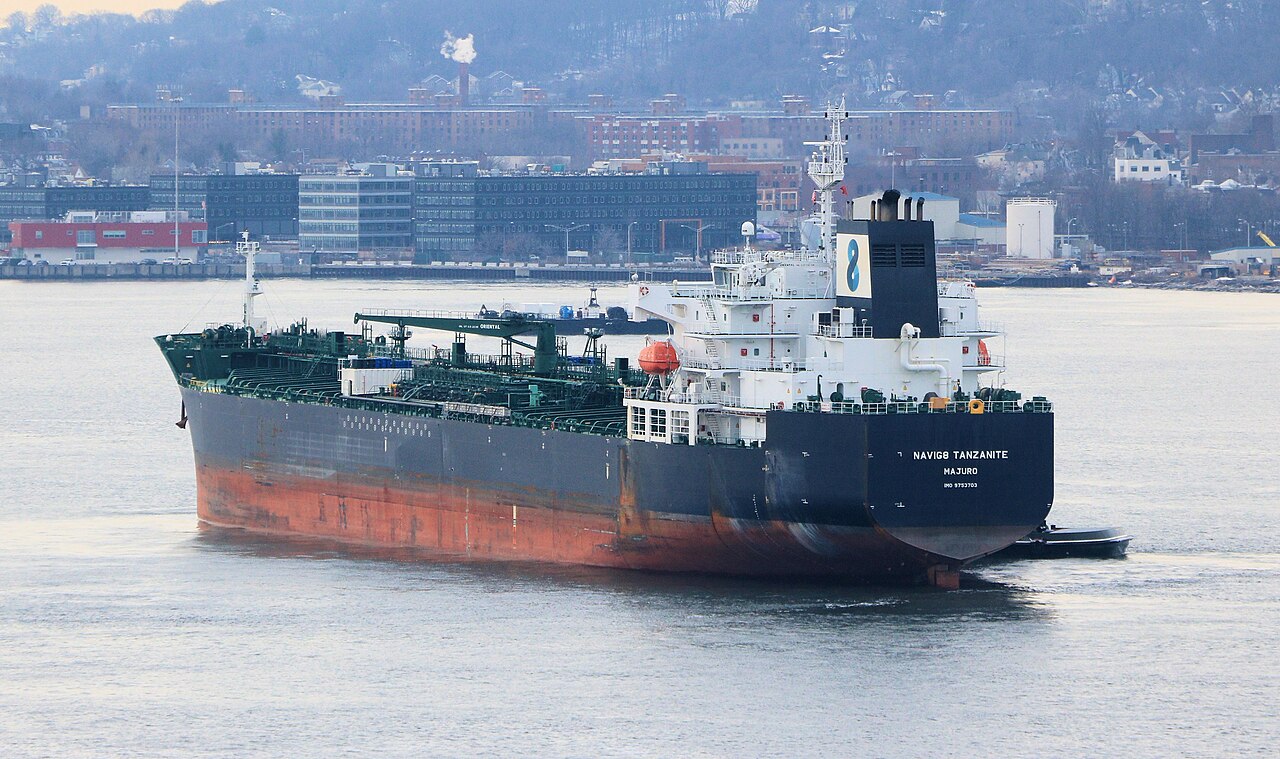
Kharg is a small Iranian island about 25 kilometers off the country's southwest coast, in the northern Persian Gulf. It is the site of Iran's main crude oil export terminal, one of the largest offshore loading facilities in the world. Deepwater jetties on the island allow the biggest tankers, including VLCCs that carry 2 million barrels each, to load directly.
Roughly 90% of Iran's crude exports leave the country through Kharg. Other terminals exist, but none has the capacity or the deepwater access to replace it. For Iran's oil trade, Kharg is not one option among many. It is the single point through which almost all of it flows.
Why It Is the Market's Real Catalyst
To understand why Kharg matters more than almost any other target, you have to separate two different kinds of disruption.
Closing the Strait of Hormuz is a disruption to the route. It raises the cost and danger of moving oil through the chokepoint, for every producer that ships through it, but the barrels still exist and can eventually move. The market treats it as a transit problem: dangerous, expensive, but not a loss of supply at the source.
Striking Kharg is a disruption to the source. It would take Iranian barrels off the market directly, by damaging the terminal they load from. Iran exports well over a million barrels a day, most of it to China. Knock out Kharg and a large share of that supply is gone until the terminal is repaired, on top of whatever is happening in the strait.
That is the distinction behind the price. A closed strait can push oil up by a few dollars. A burning export terminal is a genuine supply shock. When the market sits at, say, $79 during an active conflict instead of $110, it is because it is pricing the danger to the route and betting that the source stays intact.
The Tanker War Precedent
Kharg has been a target before. During the Iran-Iraq War of the 1980s, in what became known as the Tanker War, Iraq repeatedly bombed Kharg to choke Iran's oil revenue. Iran kept it running through constant repairs and by using shuttle tankers to move crude to loading points farther south, out of easy reach. The episode showed both how central Kharg is to Iran's economy and how hard it is to shut down completely. It also showed that attacks on Gulf oil infrastructure can persist for years without fully stopping the flow.
The Catch: Kharg Still Needs Hormuz
One more piece of geography matters. Kharg sits inside the Persian Gulf, north of the Strait of Hormuz. Oil loaded at Kharg still has to sail out through Hormuz to reach world markets. So the two risks compound. A strike on Kharg would remove barrels at the source; a closure of Hormuz blocks the exit for whatever is left. In a severe scenario, both happen at once, which is why the worst-case price estimates for the crisis run so far above the current level.
What to Watch
For the oil market, Kharg is the tripwire. As long as it keeps loading and the fight stays focused on military and naval targets, the disruption is about the route and the glut keeps the price contained. A direct strike on Kharg, or on another major Gulf export terminal, would be the event that turns a contained conflict into a supply shock. That single distinction, source versus route, is the most important thing to understand about how the market is pricing the crisis.
This article is for informational purposes only and does not constitute financial or investment advice. Oil market conditions can change rapidly. Consult a qualified financial professional before making investment decisions.