The day after the biggest escalation in a month, oil did something telling: nothing much. Brent held near $78 on Thursday, up a few cents after Wednesday's 5.2% jump, with the front-month contract around $77.50. WTI sat near $73.50. Prices that leapt on the news of US and Iranian strikes did not push higher when the shooting continued into a second day. The market has priced the risk. Now it is waiting to see whether the risk becomes real.
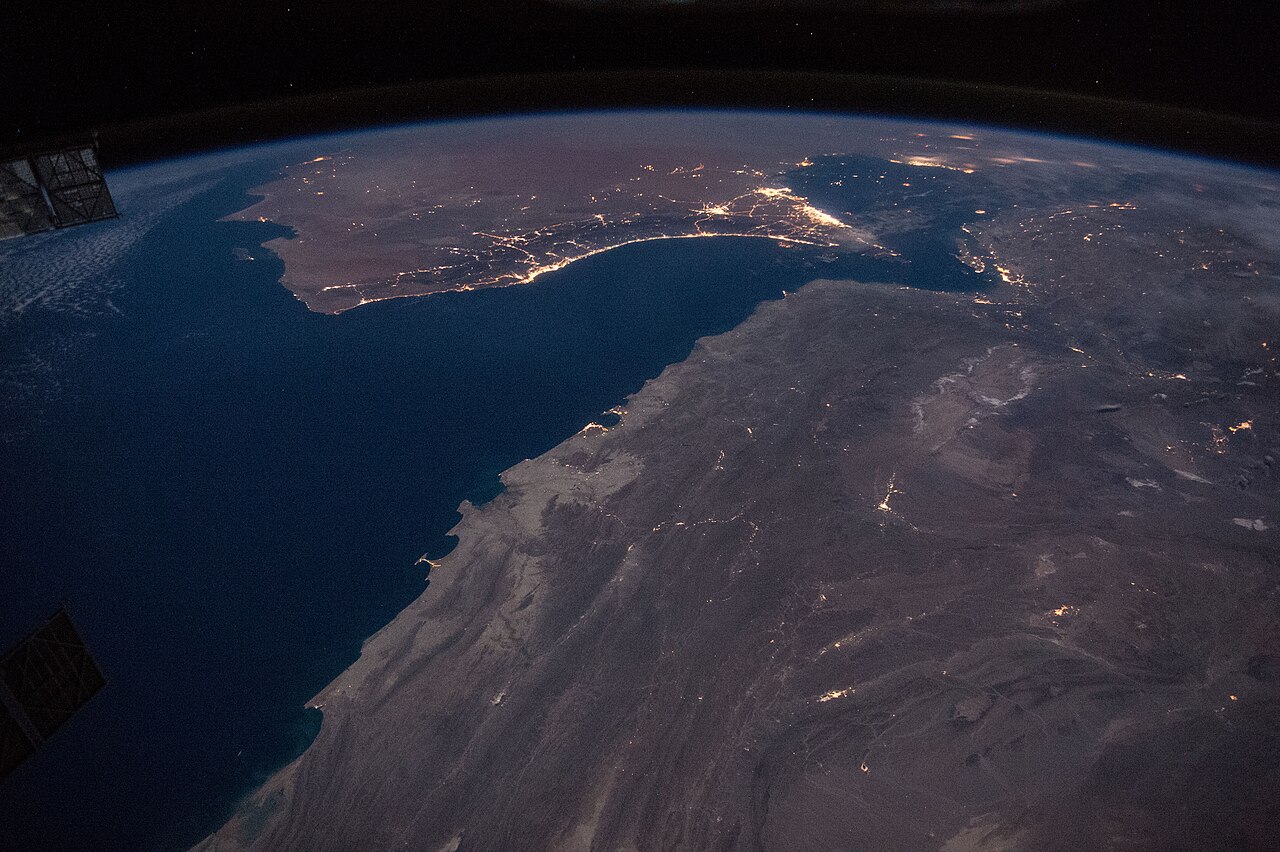
That wait has a single variable, and every trader knows it: how long the Strait of Hormuz stays disrupted. A one-week scare is a bounce. A one-month closure is a different price entirely.
Two Prices, One Question
The analyst split is unusually clean. Goldman Sachs says that if Hormuz stays mostly shut for another month, past the end of July, Brent averages above $100 through the rest of 2026. JPMorgan warns the near-term spike could be violent, $120 to $130 a barrel, with an overshoot toward $150 if disruptions drag on. Both banks also think the market is oversupplied underneath the fear. Goldman still sees a glut in 2027 and a Brent price back around $75.
So the same desks that warn about $130 also warn about $75, and the gap between those numbers is entirely a function of the strait. At $78, the market is not betting on a sustained closure. It is betting on another contained episode, the kind that has capped every spike since spring. That bet could be wrong by Friday.
Trump Raises the Stakes
President Trump spent Wednesday and Thursday widening the threat. He declared the June ceasefire over, warned of further military action, and floated a naval blockade of Iran. Most consequential for the oil market, he said future strikes could target Kharg Island, the terminal that handles the large majority of Iran's crude exports. Hitting Kharg would not just disrupt transit through Hormuz. It would take Iranian barrels off the market at the source, on top of the sanctions the US Treasury reimposed this week by pulling Iran's oil-sales waiver.
Iran, for its part, claimed a "crushing response." The Revolutionary Guard said it struck 85 US targets in Bahrain and Kuwait, naming the Fifth Fleet headquarters and a Kuwaiti air base, and claimed to down a US drone. That figure is an Iranian claim and remains unverified. What is confirmed is narrower and still serious: air-raid sirens and active air defenses over both Bahrain and Kuwait, shelter warnings to residents, and a second consecutive day of US strikes that CENTCOM now puts at roughly 90 targets. No US casualties have been confirmed.
Hormuz itself is caught in a narrative war. Iran has again declared the strait closed. The US says vessels are still transiting. Ship trackers show traffic down sharply and war-risk insurance premiums climbing, though the precise figures come from crisis aggregators rather than the major shipping registries and should be read as directional. The honest summary is that flows are impaired and the cost of moving a barrel through the strait has jumped, but the waterway is not fully sealed.
The Barrels Say Something Different
Underneath the geopolitics, the weekly US inventory data pulled the other way. The Energy Information Administration reported that crude stocks rose by 3 million barrels last week, the first build in eleven weeks, as US exports slowed to their lowest level since November. A crude build is a bearish signal, and it briefly pressured prices even as missiles flew.
The product side was tighter. Gasoline stocks fell nearly 2 million barrels to their lowest seasonal level in years, and distillate inventories dropped 5 million barrels to a four-year low heading into peak summer demand. That is the tension in one report: plenty of crude, not enough refined fuel. It is also why a glut narrative and firm pump prices can coexist.
A Burial, and an Absence
Thursday also brought the end of a week of state mourning. Ali Khamenei was buried at the Imam Reza shrine in Mashhad, closing the funeral procession that began in Tehran. His presumed successor, Mojtaba Khamenei, did not appear. Iranian officials told reporters he was kept away over fears he would be tracked and targeted, and that he was wounded in the February strike that killed his father. An unsettled succession at the top of the Iranian state is not a stabilizing backdrop for a crisis that now turns on Tehran's next move.
For the price of oil, the story has narrowed to a single question with a wide range of answers. If Hormuz reopens and the strikes fade, the glut reasserts and Brent drifts back toward the low $70s. If the strait stays shut into August, or Kharg burns, the war premium the market keeps refusing to pay comes due all at once. At $78, oil is sitting on the fence. It will not stay there long.
This article is for informational purposes only and does not constitute financial or investment advice. Oil market conditions can change rapidly. Consult a qualified financial professional before making investment decisions.