For a week the guns had been quiet and oil had been falling. Both of those things ended overnight. Two commercial vessels were struck in the Strait of Hormuz in the early hours of Tuesday, breaking the stand-down that had held since late June, and oil bounced off its four-month low, with Brent climbing back above $73 and WTI toward $70, each up close to 2% on the day.
That two percent is the whole story. A tanker attack in the world's most important oil chokepoint, on the same route that carried a $40 war premium in the spring, moved the price by about a dollar and a half. The market is treating the strike as a reminder that the strait is still dangerous, not as the start of another closure. The bounce is real, but it is a fraction of what fear used to cost.
What Was Hit
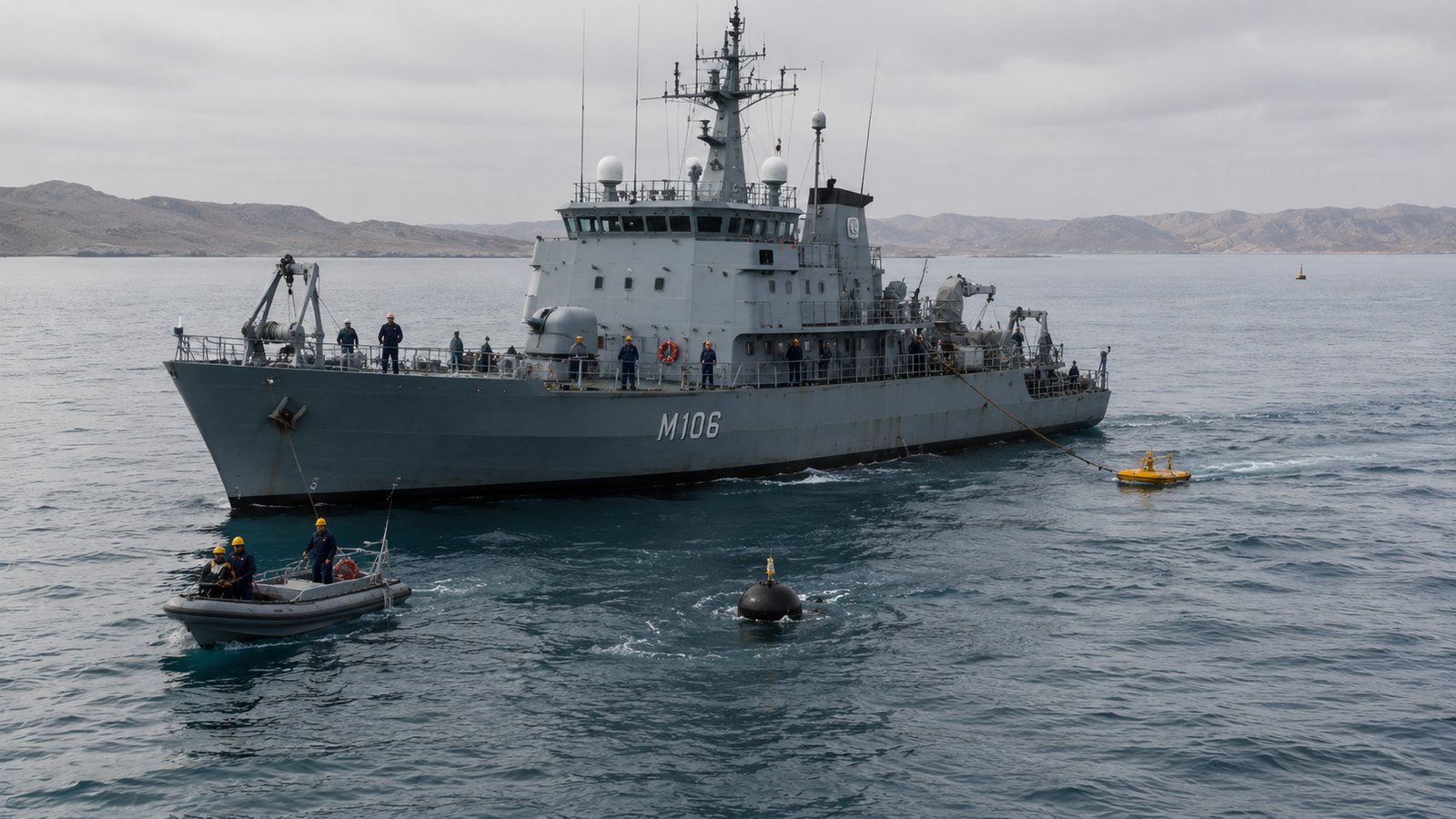
The clearer target was the Al Rekayyat, a Qatari state-owned LNG carrier struck by a projectile on its port side about eight nautical miles off the coast of Oman, near the mouth of the strait. The hit started a fire in the engine room and the ship issued distress calls, though the crew was reported safe. A Saudi crude tanker was also damaged, and reports cited a third vessel struck by a drone with minor damage. No casualties have been reported.
Attribution is where the story gets careful. US officials, cited by Axios, say Iran's Revolutionary Guard fired at least two missiles at the ships. Iran did not directly claim the attack. Iranian state media said the tankers had ignored warnings about using Tehran's approved transit routes, and a Tehran analyst suggested the Qatari vessel may have strayed into an area where Iranian teams were clearing mines. US Central Command has separately indicated the struck ships were themselves involved in mine-clearance work. Those accounts do not fully reconcile, and the difference matters: an ambush of civilian tankers is a very different event from vessels wandering into a live mine-clearing corridor. For now both versions are in circulation and neither is fully confirmed.
What is not in dispute is the diplomatic reaction. Qatar's foreign ministry called the strike "an unacceptable attack" and "a grave and explicit violation," and said it holds Iran "fully legally responsible."
A Two-Percent War Premium
The price move tells you how thin the fear is now. Brent traded near $73, up about 1.9%, and WTI near $70, but Brent is still roughly 22% below where it sat a month ago and far under the war highs. The market that once added $40 on the threat of a Hormuz closure added a dollar and a half on an actual strike.
The reason is the same one that has capped every geopolitical bounce for a month: the barrels are flowing and there are too many of them. Even as the news crossed, the backdrop was oversupply. Saudi Aramco's record price cut over the weekend is already being followed and undercut by its neighbors. Iraq's state marketer trimmed Basrah prices, the UAE's ADNOC is offering crude several dollars below the Dubai benchmark, and it is loading that crude at Sohar, on the Gulf of Oman side of the strait, outside the danger zone. That geography is why Saudi crude, loaded at Ras Tanura inside Hormuz, still costs Asian refiners more delivered even after the biggest discount in decades. A market this well supplied does not stay frightened for long.
The Talks Take the Real Hit
The more durable damage may be diplomatic. The indirect negotiations, already paused for the state funeral, now look stalled outright. Foreign Minister Araghchi said flatly that "negotiations on a final deal will not commence if threats continue," invoking the no-threats clause of the June framework. He was answering Trump, who said at a NATO summit in Ankara that Iran must "make a deal, or we're going to finish the job." An attack in the strait and an American ultimatum in the same 24 hours is not the setting in which a fragile framework gets finalized.
The rest of the calendar is unchanged and unhelpful. Ali Khamenei's body reached Qom, with burial set for Thursday in Mashhad, and his successor Mojtaba has still not appeared in public. The Pentagon has told lawmakers that fully clearing the strait's mines could take around six months, far longer than the 30-day deadline the framework set, and Araghchi said the strait remains "under the total oversight and management of Iran" for the coming month. The 60-day window to turn the interim framework into a final deal closes in mid-August, and it just got narrower.
For the price, the strike was a one-day scare against a falling trend. For the deal, it may prove to be more than that.
This article is for informational purposes only and does not constitute financial or investment advice. Oil market conditions can change rapidly. Consult a qualified financial professional before making investment decisions.