After the surge came a pause. Brent crude hovered around $85 a barrel on Wednesday, holding Tuesday's one-month high without extending it, and WTI sat near $80. The war goes on, the strikes go on, and the price is going nowhere in particular. That stall is the story, because it shows what the market is really waiting for, and what it is not.
The most important development was a sentence. Explaining five straight days of US strikes on Iran, President Trump said the attacks had intentionally avoided Kharg Island's oil facilities because they are, in his words, a chunk of the world economy. He declined to rule out seizing the island, but the message to the market was clear: the terminal that handles roughly 90% of Iran's crude exports is being spared on purpose. The single strike that would turn this conflict into a supply shock is not an oversight. It is policy, at least for now.
Five Days of Strikes, None on the Oil
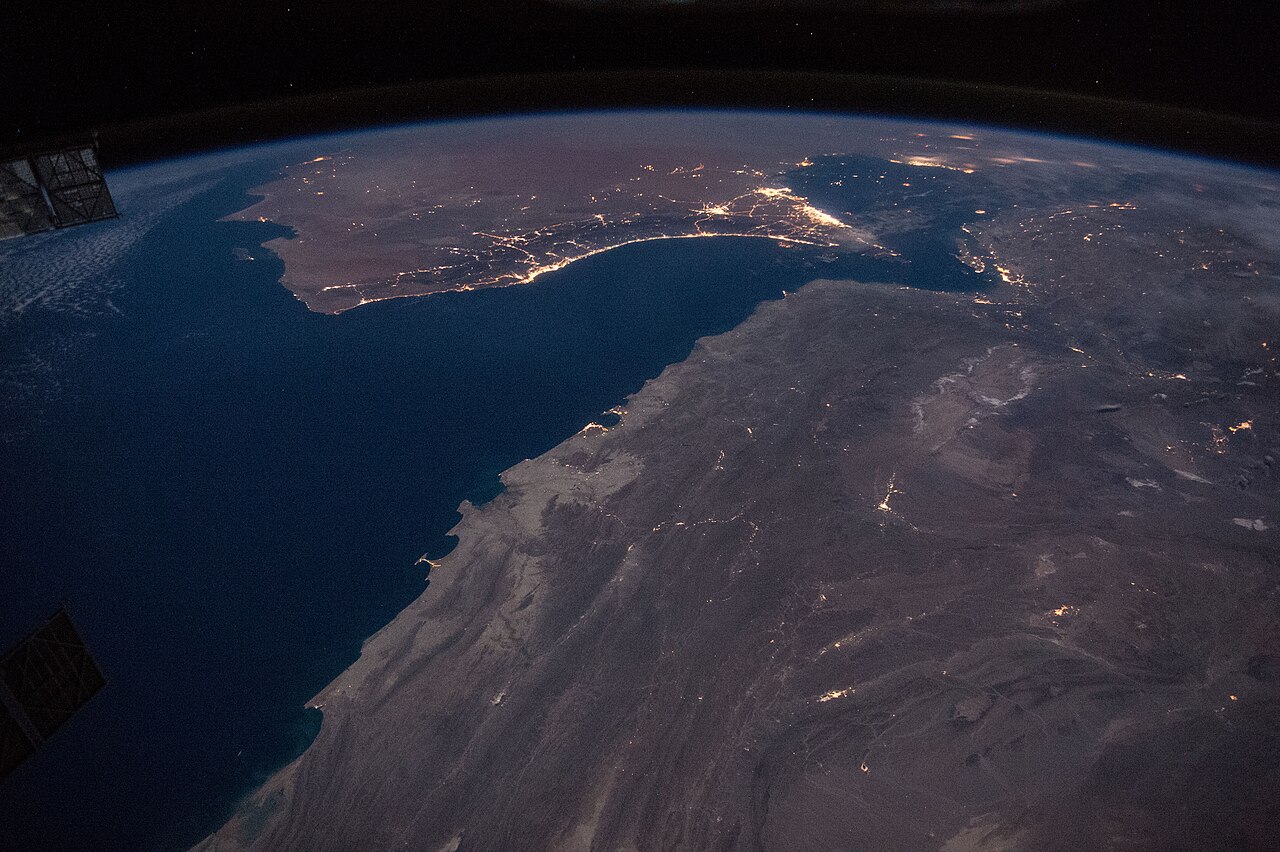
The US kept up the pressure. On Wednesday morning a roughly 90-minute wave hit Greater Tunb Island, targeting coastal defense systems and cruise-missile storage, the fifth consecutive day of American strikes. As on the previous four days, the targets were military and naval, tied to Iran's ability to attack ships, not to its ability to sell oil.
That distinction has held all week and it is the whole reason $85 is not $110. A blockade, tanker attacks, and daily strikes raise the cost and danger of moving oil through the Strait of Hormuz. They do not remove Iranian barrels from the market. The market is pricing a more dangerous route, and Trump has now said out loud that he intends to keep it that way.
The Blockade Is Live, the Toll Is Dead
Trump's naval blockade of Iranian vessels took effect Tuesday afternoon and is being enforced. US Central Command said its forces redirected two commercial ships that tried to run it, with no shots fired. The 20% cargo toll he floated a day earlier stayed abandoned; Trump said any lost revenue would be more than covered by future Gulf investment in the United States. So the most bullish of Monday's ideas, a tax on every barrel through Hormuz, is off the table, while the blockade adds friction without yet cutting supply.
The Case for Lower Prices Got Stronger
While the war premium held, the forces pulling the other way strengthened. US consumer prices for June came in cooler than expected, with headline inflation easing and the energy component falling sharply on the month. A softer inflation reading eases the fear that high energy costs are choking demand, and it cuts against the oil-spike narrative.
The weekly inventory data pointed the same way. US crude stocks drew only about half a million barrels last week, far short of the roughly 2.7 million draw analysts expected, a bearish miss. The Strategic Petroleum Reserve fell to its lowest level in more than four decades, and domestic production rose to about 13.9 million barrels a day. None of that suggests a market starved for oil.
Underneath it all sits the glut that has capped every spike this year. OPEC+ is adding barrels for a fifth straight month, Saudi Aramco cut its selling price to Asia by the most in decades, and the Energy Information Administration still models Brent averaging near $70 in the fourth quarter. The premium has a ceiling, and this week the ceiling got a little firmer.
Diplomacy Grinds, Nothing Breaks
Talks continued without a result. Iran's foreign minister Araghchi led a delegation to Muscat, a day after Qatari-mediated contacts in Tehran, with Qatar, Oman, and Pakistan all shuttling between the sides. The sticking point is Hormuz itself: the US and its Gulf partners reject any Iranian-imposed transit routes, tolls, or payments, which is exactly what Iran is trying to enforce. There is no ceasefire, and the strikes continue in parallel with the diplomacy.
The analyst split is unchanged. Goldman Sachs says that if Hormuz stays largely closed for another month, Brent averages above $100 through the rest of 2026, with a scenario near $120 this quarter. JPMorgan holds a base case of $86 this quarter easing to $80. The gap between those numbers is still Kharg.
For now, oil is doing the one thing a market does when it has priced the news and is waiting for the next move: very little. It has absorbed the tanker strikes, the blockade, and five days of bombing, and it has settled into a tense hold near $85. It will stay there until someone hits the terminal, reopens the strait, or signs a deal. The market has told you what it is watching. Trump has just told you what he is avoiding.
This article is for informational purposes only and does not constitute financial or investment advice. Oil market conditions can change rapidly. Consult a qualified financial professional before making investment decisions.