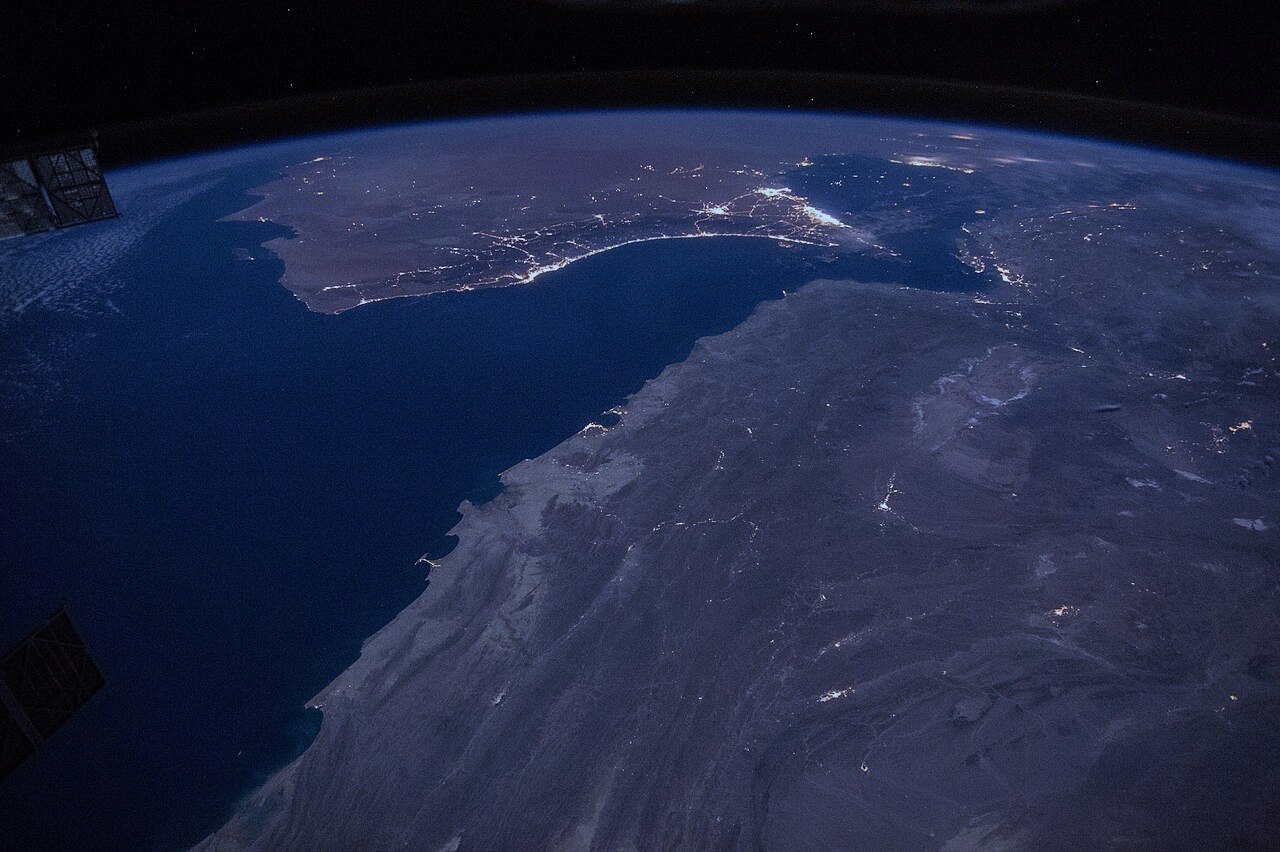
Trump declared the war with Iran over. "The Deal with the Islamic Republic of Iran is now complete," he posted, and then issued the order the oil market has waited four months to hear: "I hereby fully authorize the toll free opening of the Strait of Hormuz, and, simultaneously herewith, authorize the immediate removal of the United States Naval blockade. Ships of the World, start your engines."
Oil fell to its lowest level since early March. Brent crude dropped roughly 4.5% toward $83. WTI fell more than 5% toward $80. Both benchmarks have now given back the entire war premium that built up from late February, when Brent traded near $70 before the crisis began and climbed to $111 at the peak.
The reopening clock this column has described for a month has finally started. The catch, and it is a large one, is that almost nothing Trump ordered has actually happened yet.
Agreed, Not Signed
The deal is not signed. It is agreed, announced, and scheduled. Pakistani Prime Minister Shehbaz Sharif, the lead mediator, says the formal signing ceremony will take place Friday, June 19, in Switzerland. Iran's Deputy Foreign Minister Kazem Gharibabadi confirmed the accord but said explicitly that Iran will not implement it until Friday's signing. The full text is to be released only after the ceremony.
Until then, the US blockade legally remains in force. Trump's "Ships of the World, start your engines" is an instruction for a reopening that, by the agreement's own terms, does not begin for several more days. The market is pricing a signed deal that does not yet exist.
There is also no confirmation that Supreme Leader Mojtaba Khamenei has personally approved it. Trump said he "understands the answer is yes." A mediating diplomat told Axios it was approved "at high levels" but "likely not" by Khamenei himself. Iran's IRGC publicly denied a weekend signing and criticized Trump's "unusual insistence," with the IRGC-linked Tasnim agency calling it his "38th identical claim in two months." That history is the reason to keep the champagne corked until Friday.
The Strait Is Authorized to Open. It Is Not Open.
The single most important fact for oil is the gap between authorization and reality. The Strait of Hormuz is still running at roughly 5% of its pre-war traffic. No mine clearing has been confirmed. At least 76 laden Iranian tankers sit trapped inside the blockade line, and CENTCOM has redirected 136 ships and disabled nine over the course of the closure.
Reopening a mined strait is not a switch. Analysts cited by NBC put de-mining, evacuating the trapped tankers, and restoring Gulf output at weeks to months, and full repair and restocking of damaged facilities at multiple quarters to years. Even with a signature Friday, the physical normalization of the world's most important oil chokepoint is a process measured in months, not the days the price action implies.
This is why several analysts argue the downside in oil is now near a floor. The market has priced the direction of reopening almost instantly. The timeline of reopening, the part that actually determines when barrels reach buyers, is far slower than a 5% one-day drop suggests. The supply that has been missing since February does not come back this week, this month, or even this quarter in full.
The Two Sides Still Describe Different Deals
The unresolved disputes from last week did not get resolved. They got papered over.
On tolls, Trump says the strait is "permanently toll-free." Tehran says tolls are merely suspended for 60 days, with future "regional dialogue," and that transit will be "regulated by Iran and Oman." That is not a toll-free strait. It is a strait where Iran retains a hand on the valve.
On money, a senior Iranian official told Reuters the US agreed to release $25 billion in frozen Iranian assets. Trump said flatly that "no money will exchange hands." Both cannot be true.
On the nuclear core, Iran now says it will dilute its roughly 440 kilograms of 60% enriched uranium inside Iran, not remove it for destruction as the US framed the deal on Friday. Trump told the Wall Street Journal, "We'll get the nuclear dust later on. Over the next month or two, there's no rush." That is a marked softening from the removal-and-destruction language of three days ago, and it is the kind of ambiguity that has sunk every prior near-deal in this war.
Israel Is Not On Board
The deal's most dangerous fault line runs through Israel, which is not a party to it. Defense Minister Katz said Israel will not withdraw from occupied Lebanese territory and threatened to strike Iran "with great force" if attacked. Finance Minister Smotrich called the deal "bad for Israel and for the entire free world." And despite the announced "immediate and permanent termination of military operations on all fronts, including in Lebanon," Israeli strikes reportedly continued through June 14, killing around 30 Lebanese. Trump pressed Netanyahu to ease up, warned both sides not to "blow it," and called the Israeli prime minister "a very difficult guy."
Lebanon was the trigger that broke the truce two weeks ago. It remains the most likely trigger to break this one. A deal that ends the US-Iran war but leaves the Israel-Hezbollah front live is a deal with a lit fuse running through it.
What This Means for Prices
The direction is clear and the market has taken it: toward the pre-war $70s, as the war premium unwinds. The questions now are about magnitude and speed.
If the Friday signing happens and holds, the latent surplus OPEC+ built through four straight quota hikes begins returning to a market that has already fallen 25% from its highs. Mine clearing starts, the trapped tankers sail, and Gulf output rebuilds over the following weeks and months. Rystad's shortage-to-surplus flip plays out in slow motion, and the debate becomes how far into the $70s, or below, the unwind runs as that suppressed supply arrives.
If the signing slips, and this war has slipped past four months of "days away" deadlines, the reversal from a market now positioned entirely for peace would be violent. Brent at $83 with no war premium left is a market with very little cushion against a collapse of the Geneva ceremony.
The order has been given. The strait is still closed, the ink is still wet, and Israel is still bombing Lebanon. The war is ending in the way everything in this conflict has happened: announced first, and real later, if at all.
This article is for informational purposes only and does not constitute financial or investment advice. Oil market conditions can change rapidly. Consult a qualified financial professional before making investment decisions.