The week-long lull is finished, and so is the ceasefire. Overnight the United States struck more than 80 targets across Iran, Iran vowed a "crushing response," and President Trump said the truce that had held since June is over. Oil, which had spent a month grinding down toward its pre-war lows, jumped about 6%. Brent leapt to around $78.50 and WTI to $74.45, each up close to 6% on the day after touching higher earlier.
The war premium is back. What is striking is how much of it is still missing. A month ago the mere threat of a Hormuz closure carried $40. This morning, with US and Iranian forces actually exchanging fire around the strait, the market added roughly four dollars. Oil at $78 is a market pricing a serious risk, not a closed waterway.
What the US Hit
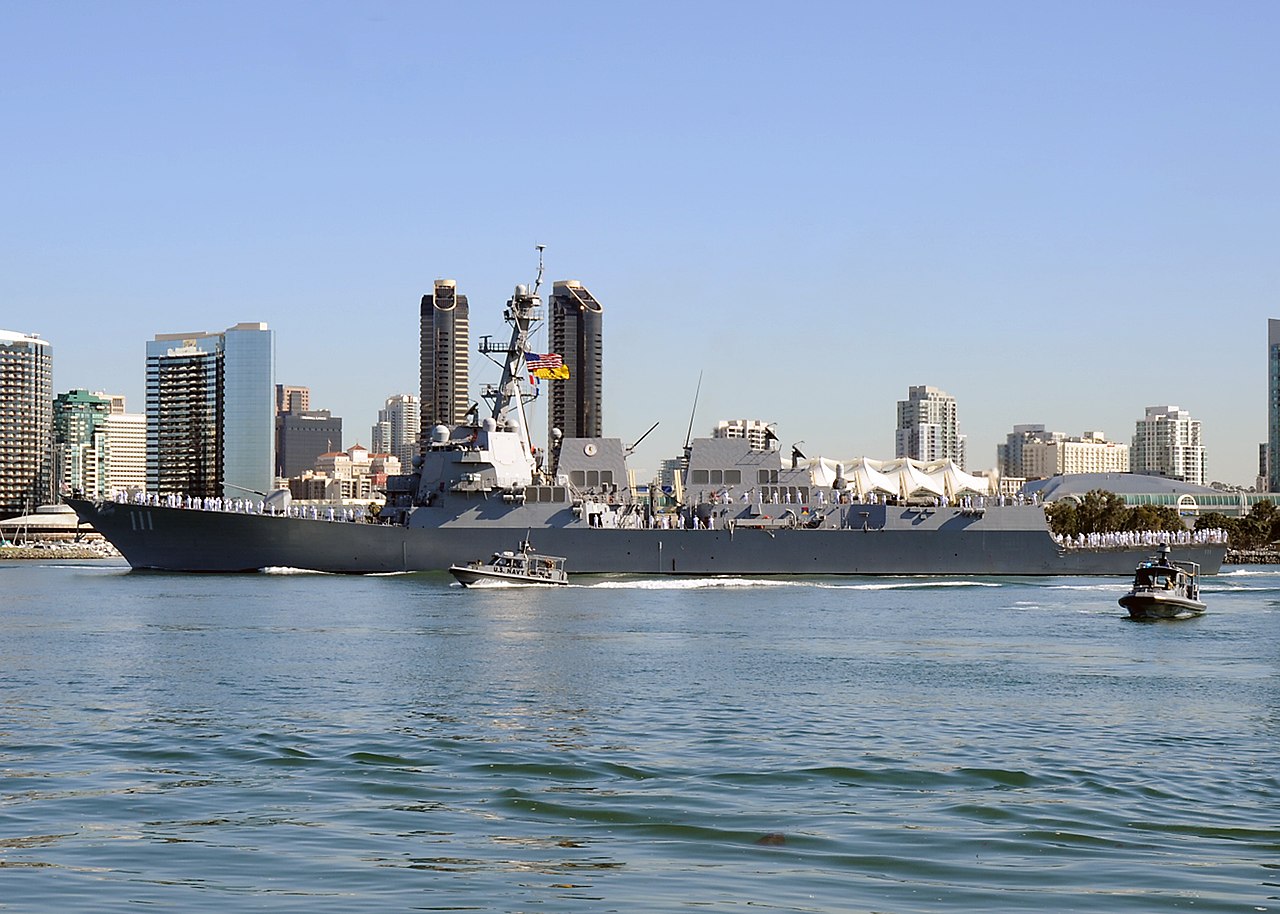
US Central Command said its strikes hit more than 80 targets overnight: air defenses, command-and-control networks, coastal radar, anti-ship missile sites, and more than 60 small boats belonging to Iran's Revolutionary Guard in and around the strait. CENTCOM named Qeshm Island, Bandar Abbas, and Sirik on Iran's southern coast as strike locations. The stated reason was direct: retaliation for Tuesday's attacks on three commercial vessels transiting Hormuz, which CENTCOM called an unwarranted and dangerous assault on civilian shipping in an international waterway.
Iran promised to answer. Within hours, air defenses were activated over both Bahrain, home to the US Fifth Fleet, and Kuwait, and sirens sounded in Manama for a third time this week. Tehran claimed to have struck dozens of US installations across the Gulf. That claim is an Iranian assertion and has not been independently confirmed, and no verified casualty figures have emerged on either side. What is confirmed is that the two militaries are now firing at each other directly for the first time since spring.
The Ceasefire, Declared Dead
Speaking at a NATO summit in Ankara, Trump said the ceasefire is over. "We attacked very powerfully last night," he said of the strikes. He left one thread intact, adding that he "might let my wonderful negotiators keep talking." Iran's foreign ministry said the US strikes had rendered key elements of the war-ending framework ineffective, and parliament speaker Ghalibaf called them a major violation of the June agreement.
The paperwork underneath the truce is unraveling with it. The US Treasury withdrew the waiver that had let Iran sell its oil, reimposing sanctions that the June framework had lifted. That is the piece with the most direct price consequence: it pulls Iranian barrels back off the market at the same moment the strait itself looks more dangerous. Both sides now accuse the other of breaking a deal that, as of this morning, barely exists.
Why $78 and Not $100
The reason the premium is contained is the same one that has capped every spike for a month. The physical market is oversupplied, and the barrels keep coming. On Sunday OPEC+ agreed to raise output again for August, its fifth straight monthly increase, adding another 188,000 barrels a day. Saudi Aramco cut its August selling price to Asia by $11 a barrel, pushing Arab Light to a $1.50 discount to the Oman-Dubai benchmark. That is the first Saudi discount since the price wars of 2015 and 2020, and the deepest cut in decades. Iraq and the UAE followed with their own reductions.
A market that well supplied does not stay frightened for long. Traders are weighing a genuine supply threat at the world's most important chokepoint against a glut that refuses to clear, and for now the glut is winning the math. The move to $78 prices the risk that Hormuz flows get disrupted, not the reality that they have stopped. Tanker traffic through the strait has continued.
The wider calendar offers no relief. Khamenei's burial is set for Thursday in Mashhad, his succession still unsettled. The 60-day window to turn June's interim framework into a final deal was already closing toward mid-August, and it now looks close to shut. The Energy Information Administration's weekly inventory report, due later Wednesday, will land in a market that has stopped caring about barrels in Cushing and started caring again about missiles over the Gulf.
For the price, this is the sharpest single day in a month. Whether it is the start of something larger or another spike the glut absorbs depends on what Iran does next, and on whether anyone is still talking by the weekend.
This article is for informational purposes only and does not constitute financial or investment advice. Oil market conditions can change rapidly. Consult a qualified financial professional before making investment decisions.