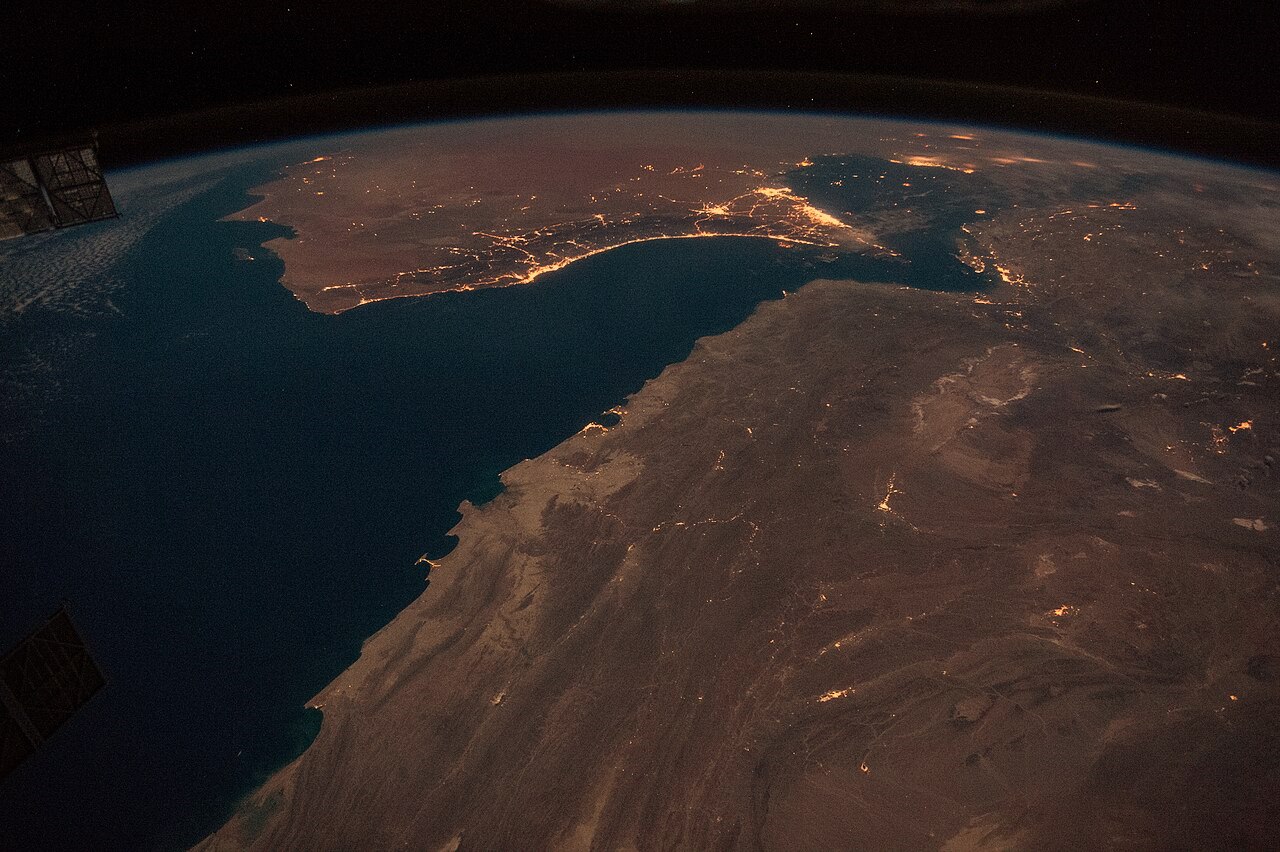
The Trump-Xi summit ended Friday with the first joint US-China document to put Hormuz language in writing from Beijing. Iran's answer, delivered while the summit was still in session, was to board a vessel anchored northeast of Fujairah and to sink an Indian-flagged cargo ship off Oman. Brent crude rose 2% to $108.25. WTI gained to $103.76.
The price move tells you which signal the market weighed more heavily.
What the Communique Says
The two governments released a nine-point joint statement. Five of the nine points concern Iran and Hormuz directly.
Both sides committed in writing that the Strait of Hormuz must remain open to energy flows. China explicitly opposed militarization of the strait. China explicitly opposed Iran's toll-collection scheme on transiting vessels. China agreed to buy more US crude oil to reduce its dependence on Hormuz-transiting Gulf supply. Both governments stated that Iran cannot possess nuclear weapons.
That is more than Day 1 produced. The White House had claimed a verbal agreement Thursday that Beijing's state media did not confirm. A joint written document with specific language on tolls and militarization is a different category of commitment. It is the first time Beijing has signed its name to Hormuz language alongside Washington.
Treasury Secretary Bessent said China will work "behind the scenes" with Iran on reopening the strait, adding that it is "very much in their interest." He did not claim a specific back-channel mechanism exists.
What Iran Did While the Summit Was Running
A vessel anchored roughly 38 nautical miles northeast of Fujairah was boarded by unauthorized personnel and moved toward Iranian waters. British military confirmed the seizure. Fujairah is the UAE's primary bypass terminal for Gulf crude exports that cannot move through Hormuz. It has been a recurring target since the crisis began.
Separately, an Indian-flagged cargo ship sank off the Omani coast after an attack sparked a fire. No group claimed responsibility. Iranian officials, speaking the same day, said the strait "belongs to Iran" and that Tehran would not relinquish its claim "at any price."
Iran's vice president framed the summit communique as irrelevant: whatever the US and China agree among themselves does not bind Iranian sovereignty over its own territorial waters.
The Gap That Remains
The summit delivered real paperwork. The communique commits China to a position on Hormuz it has not previously put in writing. If Beijing follows through behind the scenes, using its leverage as the buyer of 90% of Iran's crude exports to moderate Iranian behavior, that is a meaningful change in the diplomatic situation.
The problem is that Iran has now demonstrated, twice in one day, that it intends to keep acting in the strait regardless of what is agreed in Beijing. Seizing a ship near Fujairah and sinking another off Oman while Trump and Xi were shaking hands is not an accident of timing. It is a signal.
Trump, departing Beijing, said he is "losing patience" with Iran. That phrase is doing work: it signals the administration is weighing whether the current ceasefire framework is worth maintaining if Iran keeps treating the strait as its operational control zone.
No fifth round of US-Iran talks has been scheduled. The ceasefire that has been on "life support" since May 11 is still the operative framework, technically. But the distance between what the communique commits to and what Iran is doing on the water is the widest it has been since the April 8 ceasefire began.
Where Brent Goes From Here
The trading range since the ceasefire has been $97 to $111. Today's close at $108 puts prices near the top of that range without breaking out of it. The communique is a modest downward pressure: it represents actual progress in the diplomatic structure, even if Iran's behavior undercuts it immediately. The ship seizure and sinking are upward pressure.
The next catalyst is whether China's behind-the-scenes engagement with Tehran produces any change in Iranian behavior over the coming week. If Iranian attacks on shipping continue at the same pace, the communique will be read as a diplomatic gesture with no operational effect, and prices will test $111. If Iran pauses or moderates, the market will price in some probability of a deal restarting, and prices may ease toward $100.
This article is for informational purposes only and does not constitute financial or investment advice. Oil market conditions can change rapidly. Consult a qualified financial professional before making investment decisions.