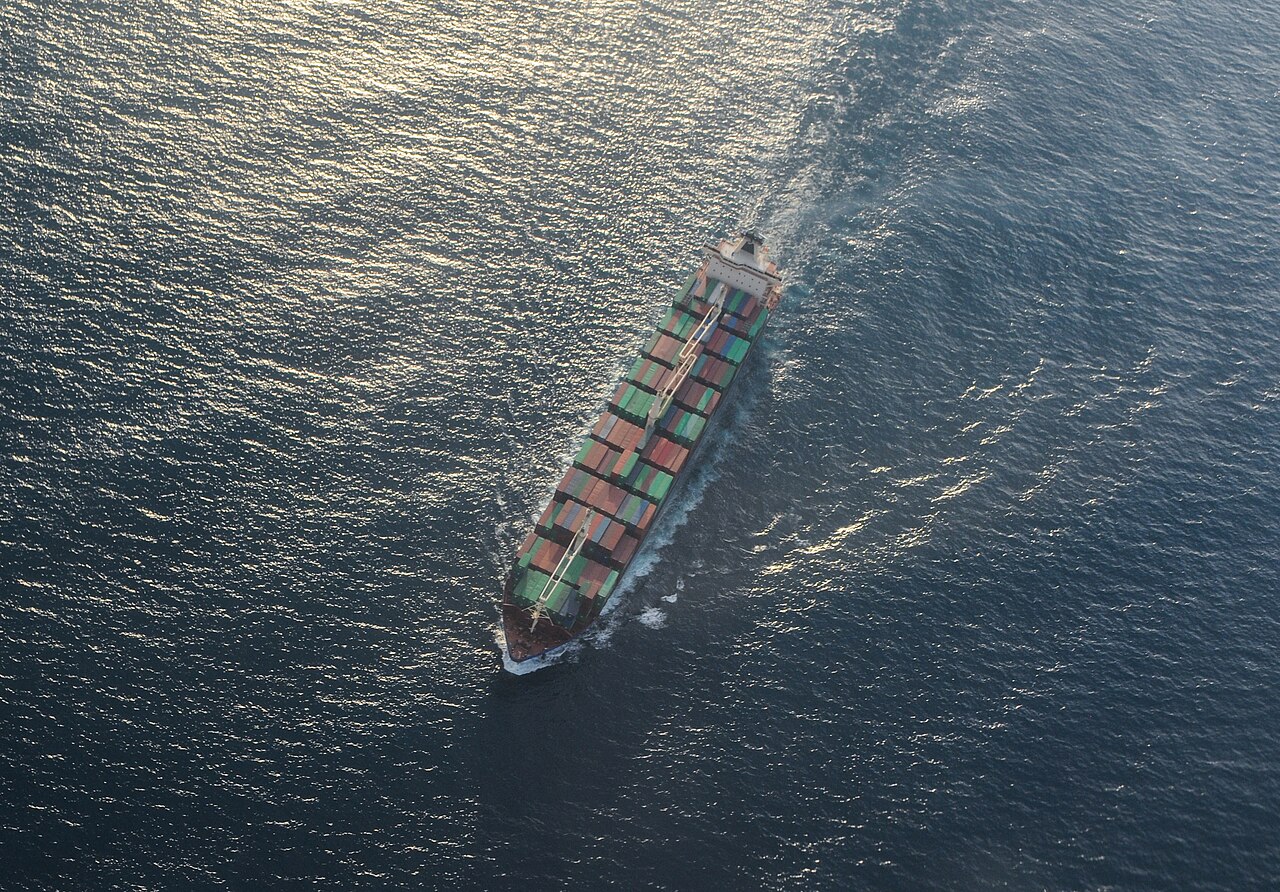
Thirty-three vessels transited the Strait of Hormuz in the 24 hours through Friday under Iran's new permit regime, with roughly 240 more queued and waiting. The number is a tenfold jump from the three supertankers that crossed Thursday. Pakistan's army chief, Field Marshal Asim Munir, returned from Tehran with what Pakistan's military called "highly productive" progress and an Iranian government readout citing "encouraging progress toward a final understanding." Trump said the deal has "been largely negotiated" while telling US negotiators not to rush. "Time is on our side."
WTI crude settled at $96.60, a one-day decline of about 2.4% and the first close below $97 since the conflict began. Brent settled at $103.54. WTI lost more than 8% on the week. Brent lost more than 5%. The market is now pricing meaningful supply restoration through the permit regime alongside a credible diplomatic path.
The Tanker Surge
Going from three transits to 33 in 24 hours is a different story than going from zero to three. Three was a proof of concept. Thirty-three is the start of a pattern. The 240 vessels waiting suggest Iran is moving permits through quickly enough that the queue is shrinking rather than growing.
The transits remain non-US-flagged. Chinese-flagged supertankers dominated the morning crossings. Indian and Russian vessels followed. UAE and Saudi-bound cargoes appeared in the afternoon set. No US-aligned tanker has yet attempted a permit application or transit under the new regime.
That asymmetric reopening matters for the price. Even if the strait stays closed to US-related shipping, it does not stay closed to global crude trade. Chinese refineries that had been operating below capacity have a path to feedstock. Indian and South Korean buyers have a path to cargoes that bypass the US-Iran sanctions architecture. The marginal barrel is moving again.
What Munir Brought Back
Pakistan's military issued the "highly productive" framing immediately after the meeting. Iran's foreign ministry spokesperson Baghaei said a draft memorandum of understanding now contains 30-day and 60-day timeframes. That is the first time specific implementation timelines have appeared publicly in the negotiation.
The 30-day window would presumably cover initial steps: sanctions relief sequencing, Hormuz access guarantees, prisoner exchanges, asset unfreezes. The 60-day window would cover the harder problems: uranium stockpile disposition, enrichment limits, inspection access. That sequencing matches the Witkoff-Kushner framework Washington has been pushing since early May.
Substantive gaps remain. Iran's pushback on Trump's claim that Tehran would "lose Hormuz control" was sharp: Fars news agency called it "inconsistent with reality." The Persian Gulf Strait Authority is positioned by Iran as a permanent sovereignty institution, not a temporary wartime measure. Whether the US accepts a deal that codifies Iranian permits as the new normal for Gulf shipping is the question that will define what "largely negotiated" actually means.
Trump's "Time Is On Our Side"
That line is the most important quote of the day. It is a tell about US leverage.
Through April and into May, the US position was defined by the closure costing the global economy roughly $4 to $5 billion per week in elevated energy prices, with the Trump administration absorbing political pressure from gasoline prices that had risen 53% since February. The implicit calculation was that the US needed a deal at least as much as Iran did, possibly more.
The shift to "time is on our side" implies that calculation has changed. The new Iranian permit regime, by reopening flow to non-US buyers, takes some of the global price pressure off without resolving the underlying conflict. If 33 tankers per day becomes 80 tankers per day next week, the supply crunch starts unwinding even with the conflict formally unresolved. That removes a major source of Iranian leverage in the negotiation, because the closure itself is becoming less costly.
Whether that calculation is correct depends on whether US-aligned shipping ever rejoins the flow. If the permit regime stabilizes as a Chinese-Indian-Russian channel with Western shipping permanently excluded, US producers and refiners face a structurally segmented oil market with material implications for WTI pricing for years to come.
The Blockade Stays
Trump was explicit that the US naval blockade remains in place "until an agreement is reached, certified, and signed." That is consistent with the "time is on our side" framing: keep the pressure that produced the negotiation, let the global supply side stabilize on its own, force Iran to deliver on the substance rather than just the framework.
The Marines boarding of M/T Celestial Sea on Tuesday was the most recent US enforcement action under the blockade. CENTCOM has not signaled any change in posture.
What's Different Tonight
A week ago, the structural picture was a closed strait with sporadic Iranian permit issuance for specific cargoes, no functioning negotiation track, and Brent ceiling at $111. Tonight it is a partially open strait with formalized Iranian permits moving 33 vessels per day, an active US-Iran-Pakistan diplomatic track with specific timeframes, and Brent below $104.
The Brent move from $111 to $104 in less than a week is 6.3%. The WTI move from $107.77 to $96.60 in the same window is 10.4%. Single-week declines of that magnitude usually require either a major demand collapse or a major supply restoration. This one is the latter, despite no deal being signed.
If the tanker counts continue rising next week and the Pakistan-mediated MoU advances toward signature, Brent likely tests $95 to $98. If Iran's permit regime stalls, or if a new strike incident occurs in the strait, the floor could reset higher quickly. The next two trading sessions will tell which path the market is on.
This article is for informational purposes only and does not constitute financial or investment advice. Oil market conditions can change rapidly. Consult a qualified financial professional before making investment decisions.