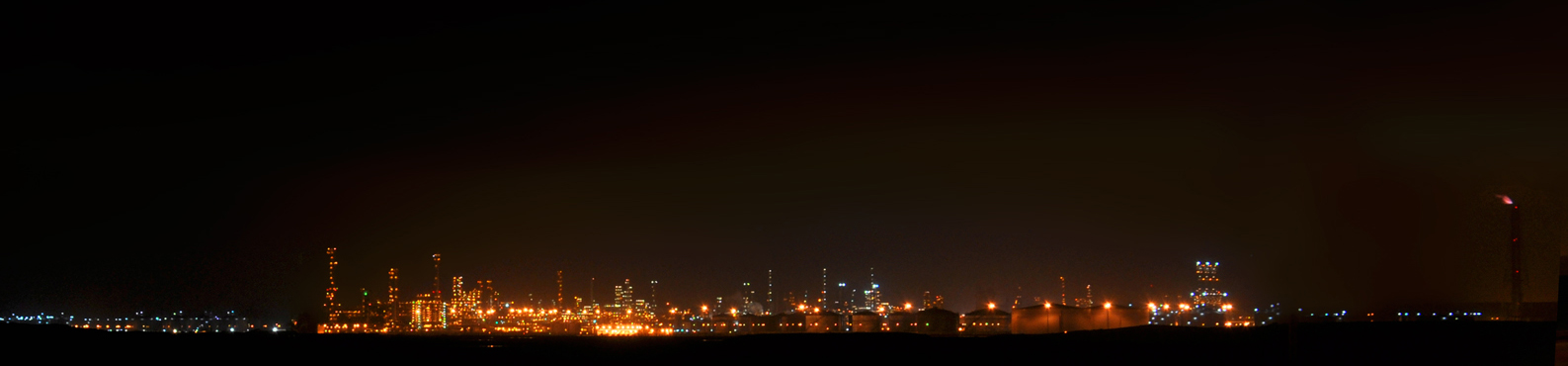
An Iranian drone struck an electrical generator on the outer perimeter of the UAE's Barakah nuclear power plant on Saturday, the first attack on a nuclear facility since the conflict began. Three UAVs entered UAE airspace; two were intercepted. The third hit infrastructure outside the inner reactor perimeter. No radiation was released. All four reactors continued operating. The IAEA director general called the strike "totally unacceptable" and demanded an immediate explanation from Tehran.
Brent crude spiked to $111 per barrel, its highest since the first week of the conflict, before pulling back toward $102 to $105 as markets digested the fact that the reactors were undamaged. WTI followed the same arc, briefly topping $108 before retreating.
On Saturday evening, Trump posted on Truth Social: "For Iran, the Clock is Ticking, and they better get moving, FAST, or there won't be anything left of them." A Situation Room meeting to review military options is scheduled for May 19.
What Happened at Barakah
The Barakah plant sits on the coast of Abu Dhabi emirate, roughly 270 kilometers southwest of Dubai. It is the Arab world's first operational nuclear power station, operated by ENEC under Korean technology. Its four APR-1400 reactors supply roughly 25% of the UAE's electricity.
US Central Command confirmed three drones entered UAE airspace from the western border region. Two were intercepted by Patriot batteries. The third hit an electrical switchgear building outside the inner security perimeter, starting a fire that was extinguished within two hours. UAE authorities said there was no radiological impact and all workers were accounted for.
Saudi Arabia separately reported intercepting three drones launched from Iraqi airspace on the same day, targeting infrastructure in the Eastern Province.
No group claimed the Barakah strike publicly. Iran's Revolutionary Guard Corps denied responsibility. UAE officials described it as a "treacherous terrorist attack" and launched an investigation into the point of origin.
The Summit Failed to Deter Anything
The Trump-Xi joint communique, signed two days before the Barakah strike, committed both governments in writing to keeping Hormuz open and stated that Iran cannot possess nuclear weapons. Iran did not acknowledge the document. Tehran's foreign ministry posted nothing. When Chinese officials relayed the summit's Hormuz language to Iranian counterparts, Iran's response was that it would only accept a "fair and comprehensive agreement" on its own terms.
The sequence matters. Iran seized a vessel near Fujairah and sank an Indian-flagged cargo ship the same day the communique was signed. Two days later, it sent drones at a nuclear power plant in the UAE. The operational tempo has not slowed since the summit. If China is applying pressure behind the scenes, it is not yet producing any visible change in Iranian behavior.
What Trump's Statement Means
"There won't be anything left of them" is the strongest public language Trump has used since the April 8 ceasefire. Previous statements called the ceasefire "on life support" and Trump "losing patience." The Truth Social post moves from frustration to explicit threat of destruction, and it followed the Barakah strike by a matter of hours.
The May 19 Situation Room meeting is the operational signal to watch. The administration has, since April 8, assessed each Iranian provocation as falling "below the threshold" for restarting major combat operations. The Barakah strike was the first attack on nuclear infrastructure, in the UAE, days after the summit. It raises the question of whether the threshold has finally been crossed or whether the administration redefines the threshold upward again.
Fox News reported Iran has simultaneously threatened to "deactivate" US bases in the Gulf region if the US resumes strikes on Iranian territory. That counter-threat, paired with Trump's ultimatum, sets up the May 19 meeting as the most consequential national security session since the April ceasefire.
Where Prices Go From Here
The $111 spike and $102-$105 pullback illustrate how the market is processing a conflict where every escalation is followed by an assessment of whether it triggers renewed full-scale military operations. The market spiked on the Barakah news because it is categorically different from previous incidents: striking a nuclear facility is a red line for most governments. It then partially reversed when the reactors were confirmed undamaged.
The May 19 Situation Room meeting is now the next price catalyst. Three outcomes are possible: the administration announces military action, which would push Brent back toward $111 and potentially higher; the administration announces a new ultimatum or deadline, which keeps prices at the top of the current $97-$111 range; or the administration decides once again that the incident falls below the threshold, which would likely push prices back toward $100 or below as markets conclude the ceasefire framework remains intact regardless of what Iran does.
The market's partial pullback to $102-$105 suggests it is currently pricing the second or third outcome as more probable than the first. That assessment can change on Monday morning.
This article is for informational purposes only and does not constitute financial or investment advice. Oil market conditions can change rapidly. Consult a qualified financial professional before making investment decisions.